Sizzling High Protein Seitan Fajita Skillet Vegan Recipe
High Protein Seitan Fajita Skillet Vegan Recipe
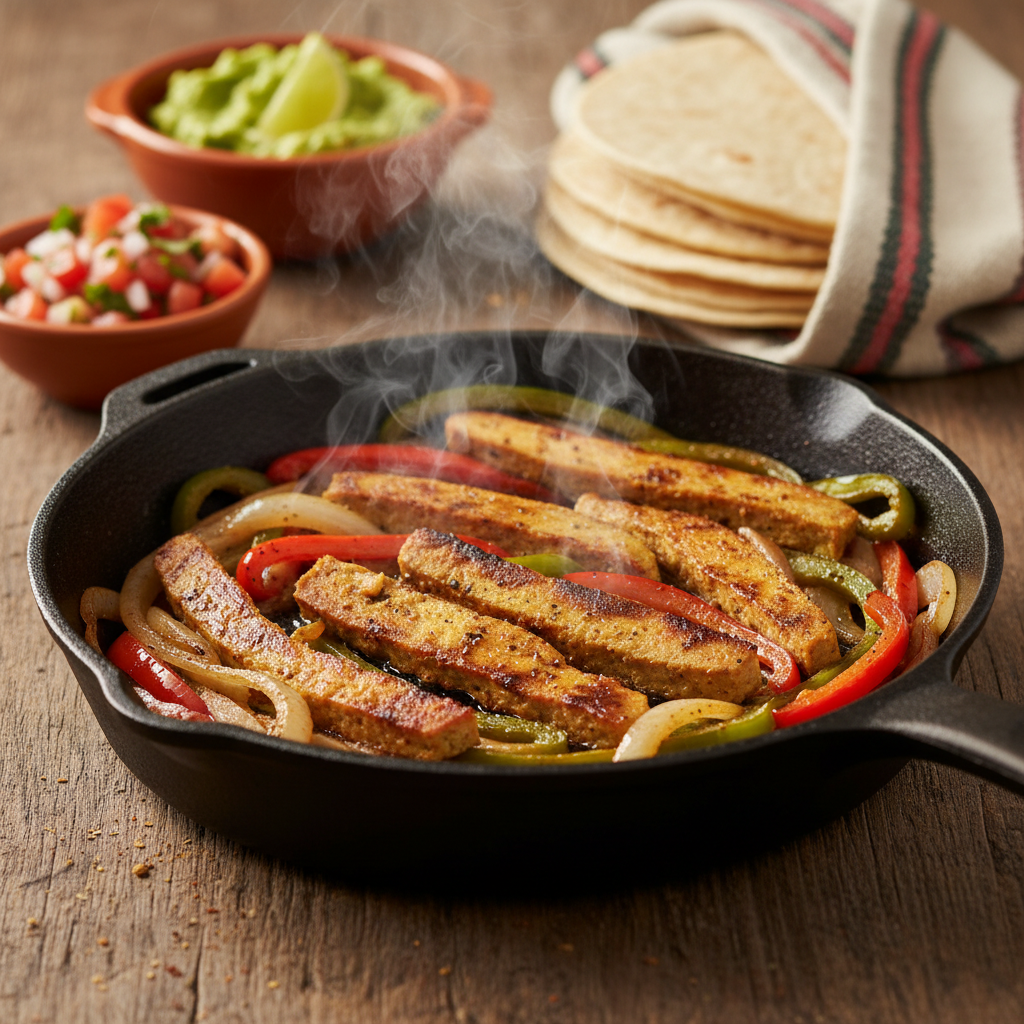
Experience the ultimate plant-based protein powerhouse with this sizzling Seitan Fajita Skillet. Perfectly charred strips of savory seitan mingle with caramelized peppers and onions in a smoky, zesty marinade, offering a satisfying meaty texture that rivals any steakhouse classic.
20 minutes
25 minutes
45 minutes
4 servings
Main Course
Stovetop / Cast Iron Skillet
Tex-Mex / Vegan Fusion
Vegan
There is something undeniably captivating about the sound of a sizzling skillet arriving at a table. It triggers a primal anticipation of a hearty, savory meal. For years, the classic fajita has been dominated by skirt steak and chicken, but the plant-based revolution has ushered in a contender that not only competes on flavor but excels in texture and nutrition: Seitan. This High Protein Seitan Fajita Skillet is more than just a vegan alternative; it is a culinary celebration of bold Tex-Mex flavors and robust textures that will satisfy even the most devoted carnivores.
Seitan, often referred to as ‘wheat meat,’ is the star of this dish. Unlike tofu, which can sometimes be too soft for a hearty stir-fry, seitan brings a chewy, dense, and satisfying bite that mimics the grain of meat perfectly. When seared in a hot cast-iron skillet, it develops a crispy exterior while remaining tender on the inside, absorbing the smoky notes of cumin, smoked paprika, and chili powder. The magic happens when this savory protein meets the sweetness of charred bell peppers and onions, all brought together with a splash of fresh lime juice and savory tamari.
This recipe is designed for the modern home cook who craves nutrition without sacrificing flavor. It is a meal that comes together in under 45 minutes but tastes like it has been marinating for hours. Whether you are a dedicated vegan looking to hit your protein macros or a flexitarian exploring Meatless Mondays, this fajita skillet delivers a punch of flavor that transforms a simple weeknight dinner into a festive fiesta. Serve it piping hot with warm tortillas, creamy guacamole, and a dollop of vegan sour cream for a complete dining experience that feels indulgent yet is incredibly wholesome.
History & Origins
The history of this dish is a fascinating convergence of two distinct culinary traditions: the rustic ranch cooking of Texas and the ancient vegetarian cuisine of China. To understand the Seitan Fajita, we must first look at the origins of the fajita itself. The term ‘fajita’ is derived from the Spanish word ‘faja,’ meaning strip or belt. In the 1930s and 1940s, Mexican vaqueros (cowboys) working on cattle ranches in West Texas were often given the less desirable cuts of meat as part of their pay. One such cut was the skirt steak, a tough membrane of muscle. To make it palatable, the vaqueros learned to marinate the meat in lime juice to tenderize it and cook it rapidly over open mesquite fires, slicing it against the grain and serving it with tortillas. It remained a regional secret until the later 20th century when it exploded onto the mainstream American dining scene.
Parallel to this, on the other side of the world, seitan has a history dating back over 1,500 years. Originating in China during the 6th century, it was popularized by Buddhist monks who adhered to a strict vegetarian diet. They discovered that by washing the starch away from wheat flour, they were left with a high-protein gluten mass that had a meat-like texture. Known as ‘mian jin’ in Chinese, this ingredient became a staple in Asian vegetarian cooking, eventually making its way to Japan where the macrobiotic movement coined the term ‘seitan’ in the early 1960s.
The fusion of these two histories—the bold, spicy, open-fire cooking style of the Texas borderlands and the ancient, protein-rich wheat gluten of the East—creates a modern masterpiece. This recipe respects the cultural significance of the fajita’s preparation method—high heat, simple spices, and communal eating—while utilizing seitan to modernize the dish for a sustainable, plant-forward future.
Why This Recipe Works
This recipe succeeds because it addresses the most common complaint about vegan meat substitutes: the texture. Many plant-based fajita recipes rely on vegetables alone or soft tofu, which lack the necessary ‘chew’ to stand up to a heavy spice rub and high-heat searing. Seitan, being almost pure wheat gluten, has a fibrous structure remarkably similar to muscle tissue. When we tear the seitan into rustic strips rather than cutting it into uniform cubes, we create more surface area with jagged edges. These edges catch the oil and spices, crisping up beautifully in the pan to create that essential Maillard reaction—the browning that equals flavor.
Furthermore, the marinade technique used here is scientifically calibrated for maximum absorption. Unlike animal protein, which can take hours to marinate, seitan is like a sponge. By tossing it in a dry spice rub first and then hitting it with the liquid components (tamari and lime) in the hot pan, we force the flavor deep into the protein strands instantly. The combination of smoked paprika and ground cumin mimics the traditional smoky flavor of a mesquite grill, ensuring the dish retains its authentic ‘fajita’ profile without needing an outdoor barbecue. Finally, cooking the vegetables separately from the protein ensures that the peppers retain a slight crunch and vibrant color, rather than steaming into a mushy mess alongside the ‘meat.’
Why You’ll Love This Recipe
- ✓Packed with over 25g of plant-based protein per serving
- ✓Achieves a realistic, chewy ‘meaty’ texture using seitan
- ✓Ready in under 45 minutes, perfect for weeknights
- ✓Bold, smoky, and customizable spice level
- ✓Excellent for meal prep and leftovers
- ✓Cholesterol-free and low in saturated fat
Equipment You’ll Need
- ✓Large Cast Iron Skillet (preferred) or heavy-bottomed non-stick pan
- ✓Chef’s Knife
- ✓Cutting Board
- ✓Mixing Bowls
- ✓Tongs
- ✓Measuring Spoons and Cups
- ✓Citrus Juicer
Ingredients
- ✓16 oz (450g) Seitan, drained and torn into rustic strips
- ✓1 large Red Bell Pepper, sliced into strips
- ✓1 large Green Bell Pepper, sliced into strips
- ✓1 large Yellow Onion, sliced into strips
- ✓3 tbsp Olive Oil or Avocado Oil, divided
- ✓2 tbsp Low-Sodium Soy Sauce or Tamari
- ✓1 tbsp Fresh Lime Juice
- ✓2 tsp Chili Powder
- ✓1.5 tsp Ground Cumin
- ✓1 tsp Smoked Paprika
- ✓1 tsp Garlic Powder
- ✓1 tsp Onion Powder
- ✓1/2 tsp Dried Oregano (Mexican oregano if available)
- ✓1/4 tsp Cayenne Pepper (optional for heat)
- ✓Salt and Black Pepper to taste
- ✓Fresh Cilantro, chopped (for garnish)
- ✓Warm Flour or Corn Tortillas (for serving)
Instructions
- 1. Prep the Seitan: Drain the seitan well. Instead of cutting it with a knife, use your hands to tear the seitan into bite-sized strips. This creates jagged edges that crisp up better. Pat the strips dry with paper towels to remove excess moisture.
- 2. Mix the Spice Blend: In a small bowl, combine the chili powder, cumin, smoked paprika, garlic powder, onion powder, oregano, cayenne pepper, salt, and black pepper. Mix well.
- 3. Season the Seitan: Place the torn seitan in a mixing bowl. Drizzle with 1 tablespoon of olive oil and sprinkle half of the spice blend over it. Toss to coat evenly.
- 4. Sear the Seitan: Heat a large cast-iron skillet over medium-high heat. Add 1 tablespoon of oil. Once the oil is shimmering, add the seasoned seitan in a single layer (do this in batches if necessary to avoid overcrowding). Cook undisturbed for 3-4 minutes until a brown crust forms. Flip and cook for another 3-4 minutes. Remove seitan from the pan and set aside.
- 5. Sauté the Vegetables: In the same skillet (wipe it out quickly if there are burnt bits, but leave the flavor), add the remaining 1 tablespoon of oil. Add the sliced onions and peppers. Sprinkle with the remaining spice blend.
- 6. Cook Veggies: Sauté the vegetables over medium-high heat for 5-7 minutes. You want them to be tender-crisp with some charred edges, not soggy.
- 7. Combine and Finish: Return the cooked seitan to the skillet with the vegetables. Pour the soy sauce (or tamari) and fresh lime juice over the mixture. Toss everything together for 1-2 minutes, scraping up any flavorful bits from the bottom of the pan. The liquid should evaporate quickly, glazing the ingredients.
- 8. Serve: Remove from heat immediately. Garnish with fresh chopped cilantro. Serve sizzling hot with warm tortillas and your favorite fajita toppings.
Expert Cooking Tips
- ✓Use Cast Iron: A cast-iron skillet retains heat better than any other pan, which is crucial for getting that signature fajita ‘char’ on the seitan and peppers.
- ✓Dry the Seitan: Moisture is the enemy of crispiness. Ensure your seitan is patted very dry before seasoning to prevent it from steaming in the pan.
- ✓Don’t Overcrowd: If you pile too much seitan in the pan at once, the temperature drops and the food steams. Cook in batches for the best texture.
- ✓Tear, Don’t Cut: Tearing the seitan mimics the natural grain of meat and provides more surface area for the spice rub to adhere to.
- ✓Prep Ahead: Slice all your veggies and mix your spices before you turn on the stove. The cooking process happens fast!
- ✓Warm the Tortillas: Cold tortillas are brittle and unappetizing. Warm them in a dry pan or directly over a gas flame for a few seconds for the best experience.
- ✓Acid is Key: Don’t skip the lime juice at the end; the acidity cuts through the savory spices and brightens the entire dish.
Substitutions and Variations
This recipe is highly adaptable to various dietary needs and pantry staples. If you cannot find seitan or are gluten-free, you can substitute Butler Soy Curls (rehydrated) or extra-firm tofu. For tofu, press it for at least 30 minutes, freeze it, and thaw it for a meatier texture before tearing. If you are avoiding soy, you can use chickpeas or thick-sliced portobello mushrooms, though the protein content will differ. For the marinade, coconut aminos can replace soy sauce for a lower sodium and soy-free option. The vegetable selection is also flexible; feel free to add sliced zucchini, mushrooms, or poblano peppers for extra variety. If you don’t have lime, apple cider vinegar or lemon juice can provide the necessary acidity, though lime is most traditional.
Common Mistakes to Avoid
The most common mistake people make when cooking seitan fajitas is treating the seitan like a raw vegetable. Seitan is already cooked, so you are essentially reheating and texturizing it. Cooking it too long at too low a heat will make it rubbery and tough. You need high heat and a relatively short cooking time to get the crisp exterior without drying out the interior. Another mistake is slicing the vegetables too thin; they will turn into mush before they char. Keep your pepper and onion slices relatively thick (about 1/4 to 1/2 inch) so they withstand the heat. Finally, under-seasoning is a crime in Tex-Mex cuisine. Seitan is bland on its own, so be generous with the spices and salt.
Serving Suggestions
Serve this skillet family-style in the center of the table with a stack of warm flour or corn tortillas wrapped in a clean towel. Essential accompaniments include fresh guacamole or sliced avocados, pico de gallo or salsa roja, and a cooling element like vegan sour cream or cashew crema. For a heartier meal, serve alongside Mexican red rice and refried beans (black or pinto). A side of pickled jalapeños and carrots adds a nice spicy crunch. For drinks, a cold Mexican lager with lime or a classic margarita pairs perfectly with the smoky, spicy flavors of the fajitas.
Storage and Reheating Tips
Leftover seitan fajitas store remarkably well, making them excellent for meal prep. Allow the mixture to cool completely before transferring it to an airtight container. It will keep in the refrigerator for up to 4-5 days. To reheat, it is best to use a skillet over medium heat to re-crisp the seitan and veggies; microwaving tends to make the seitan a bit chewy and the peppers soggy. If you want to freeze the dish, freeze the cooked seitan separately from the vegetables, as the peppers can become watery upon thawing. The cooked seitan can be frozen for up to 3 months.
Nutrition Facts (Estimated)
| Serving Size | 1 cup filling (approx. 200g) |
| Calories | 320 |
| Fat | 10g |
| Saturated Fat | 1.5g |
| Unsaturated Fat | 8g |
| Trans Fat | 0g |
| Cholesterol | 0mg |
| Sodium | 680mg |
| Carbohydrates | 18g |
| Fiber | 4g |
| Sugar | 6g |
| Protein | 32g |
Frequently Asked Questions
Is seitan gluten-free?
No, absolutely not. Seitan is made almost entirely of wheat gluten. If you have Celiac disease or a gluten intolerance, you must avoid this recipe and substitute the seitan with soy curls, tofu, or beans.
Can I make the seitan from scratch?
Yes! Homemade seitan is often more affordable and tender than store-bought. You can make it using Vital Wheat Gluten flour, water, and spices. Simply steam or simmer your dough logs before tearing them for this recipe.
Why is my seitan rubbery?
Rubbery seitan usually results from over-kneading the dough (if homemade) or boiling it too vigorously. For store-bought seitan in this recipe, ‘rubbery’ texture can happen if you cook it too slowly. High heat searing is best.
What kind of onion is best for fajitas?
Yellow onions or white onions are traditional for fajitas as they have a sharp flavor that sweetens nicely when cooked. Red onions can be used for a pop of color but will be slightly sweeter and softer.
Can I use taco seasoning instead of the individual spices?
Yes, in a pinch, a packet of store-bought taco or fajita seasoning works well. Use about 2 tablespoons of the pre-mixed seasoning in place of the dry spices listed in the recipe.
Is this recipe spicy?
It has a mild to medium kick depending on your chili powder. The cayenne pepper is optional; omitting it will make the dish very mild and kid-friendly.
Can I bake this instead of using a skillet?
Yes, you can make sheet pan fajitas. Toss everything in oil and spices and roast at 400°F (200°C) for 20-25 minutes. However, you won’t get the same level of char as you do with a skillet.
What is the protein count for this dish?
This dish is a protein powerhouse. Depending on the brand of seitan used, a single serving usually contains between 25g to 35g of protein, making it comparable to chicken or beef.
Do I need to marinate the seitan overnight?
No, seitan is porous and absorbs flavor quickly. The ‘dry rub then sear’ method used here is faster and creates a better crust than a wet marinade, though you can marinate it for 30 minutes if you prefer.
Conclusion
Mastering this High Protein Seitan Fajita Skillet is a game-changer for anyone looking to reduce their meat consumption without giving up the savory satisfaction of a hearty dinner. It captures the essence of Tex-Mex cuisine—bold, colorful, and fun—while delivering a nutritional profile that supports an active lifestyle. Whether you are cooking for a house full of vegans or trying to impress skeptical meat-eaters, this dish bridges the gap perfectly. So grab your cast iron skillet, crank up the heat, and get ready to enjoy a meal that is as fun to make as it is to eat. Don’t forget to pin this recipe for your next taco Tuesday!