Ultimate High Protein Tofu Buddha Bowl With Quinoa & Spicy Peanut Dressing
High Protein Tofu Buddha Bowl With Quinoa Recipe
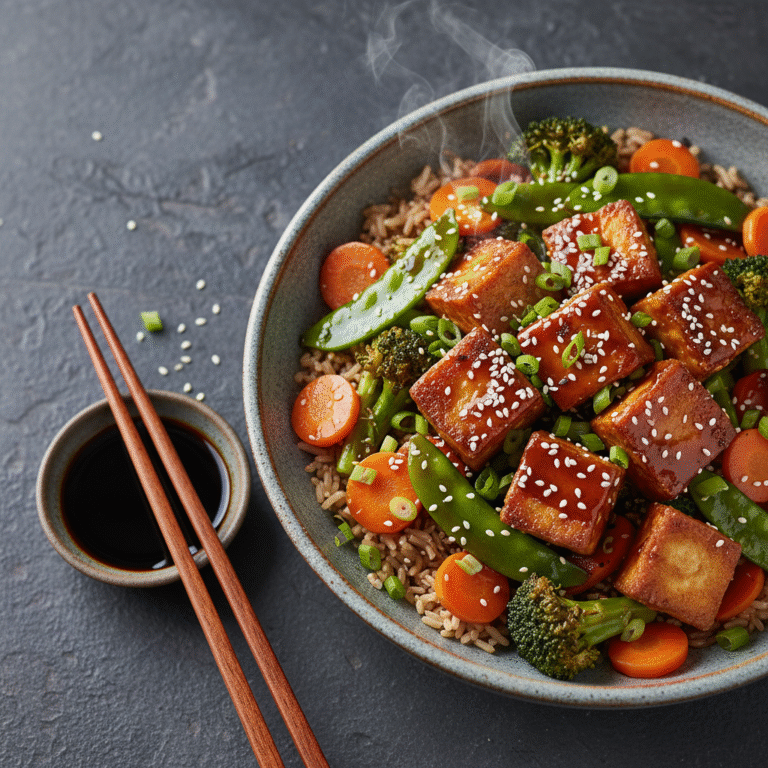
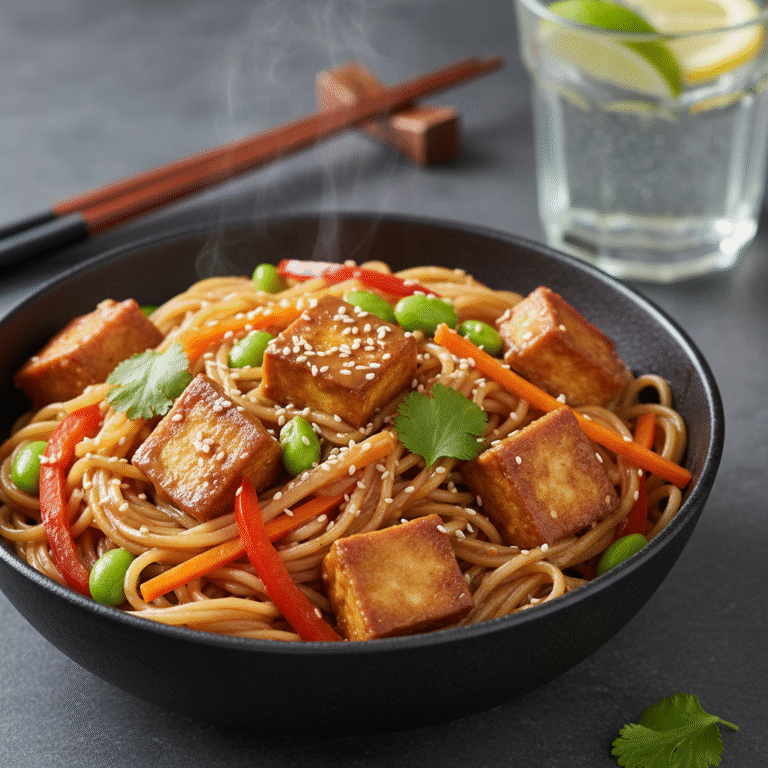
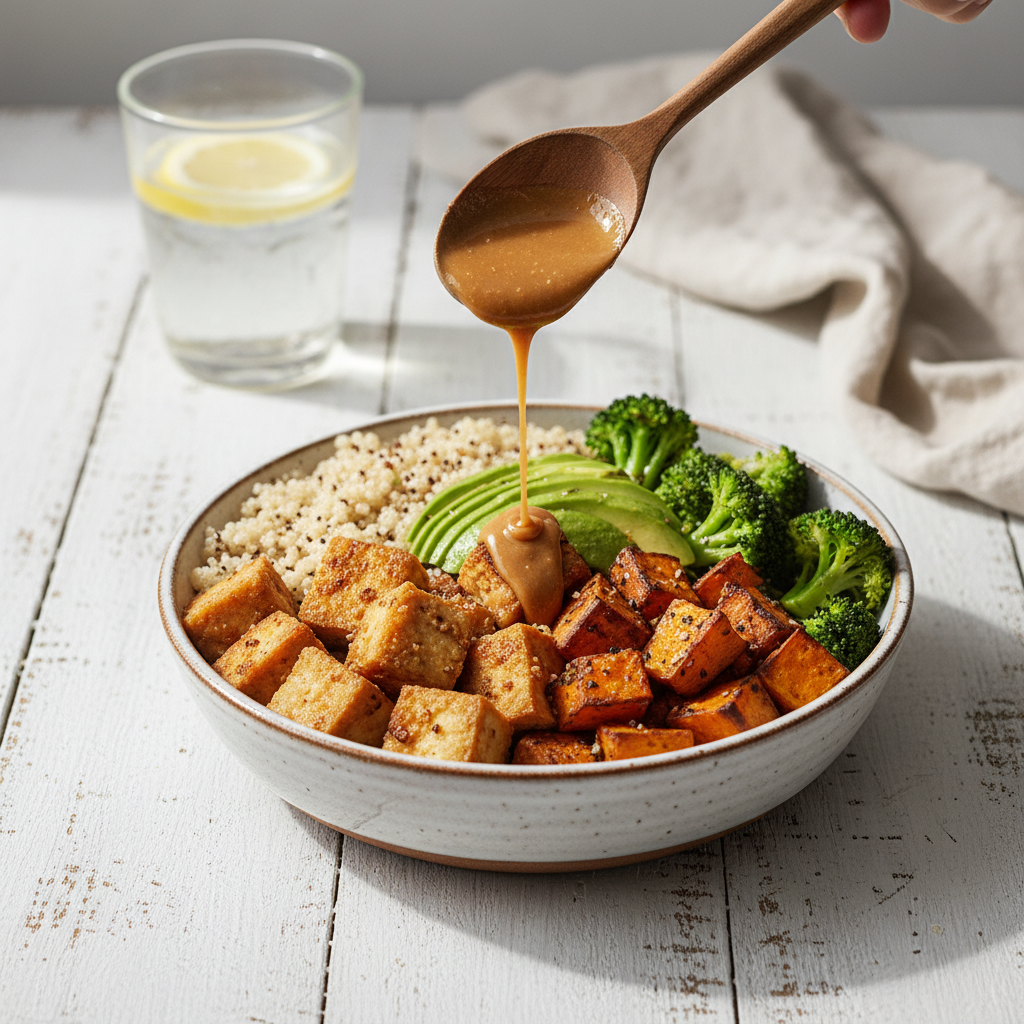
This vibrant, nutrient-packed High Protein Tofu Buddha Bowl features crispy golden tofu, fluffy quinoa, and a rainbow of roasted vegetables, all brought together by a creamy, addictive spicy peanut dressing. It is the perfect balance of texture and flavor, making healthy eating feel like a total indulgence.
20 minutes
30 minutes
50 minutes
4 servings
Main Course
Roasting & Stovetop
Fusion / American Health
Vegan
If there is one meal that perfectly encapsulates the modern intersection of wellness, convenience, and culinary satisfaction, it is the Buddha Bowl. While the name might imply a simple assembly of ingredients, a truly great Buddha Bowl is a symphony of textures, temperatures, and flavors that work in harmony to create a meal far greater than the sum of its parts. This High Protein Tofu Buddha Bowl with Quinoa is designed to banish the myth that plant-based eating leaves you feeling hungry or unsatisfied. By combining the complex carbohydrates of ancient grains with the dense protein structure of extra-firm tofu, we create a meal that fuels your body for hours.
The magic begins with the tofu. Often maligned for being bland or spongy, here we transform it into savory, golden nuggets with a crispy exterior and a tender bite, seasoned with soy and garlic. This provides the ‘meaty’ anchor the dish needs. We then pair it with quinoa, cooked in vegetable broth rather than water to infuse savory notes right into the grain. But a bowl is nothing without its vegetables; we utilize roasted sweet potatoes for caramelized natural sweetness and steamed broccoli for a fresh, earthy crunch.
However, the true hero that ties this entire edible landscape together is the dressing. A lackluster sauce can ruin a bowl, but this spicy peanut drizzle—rich with ginger, lime, and maple syrup—awakens the palate and coats every ingredient in a layer of umami-rich luxury. Whether you are a dedicated vegan, a ‘Meatless Monday’ enthusiast, or simply someone looking to incorporate more whole foods into your diet without sacrificing flavor, this recipe is your new gold standard. It is vibrant, photogenic, and deeply nourishing, proving that fast food can indeed be whole food.
History & Origins
The term ‘Buddha Bowl’ has become a ubiquitous staple in health-conscious cafes and Pinterest boards across the Western world, but its origins are a fascinating blend of ancient tradition and modern marketing. The concept likely draws inspiration from the Zen Buddhist tradition of ōryōki (meaning ‘just enough’), a meditative form of eating where monks use a set of bowls to eat a balanced meal consisting of rice, soup, and pickles. The name ‘Buddha Bowl’ itself may also refer to the visual of a round bowl packed so full of delicious ingredients that it has a rounded ‘belly’ on top, resembling the laughing Buddha (Budai).
In a more literal sense, the legend goes that Buddha would wake up before dawn and carry his bowl through the village, where locals would place whatever food they could spare into it. Consequently, his meal was a literal mixture of whatever was available—curries, rice, vegetables—creating a varied and balanced dish out of necessity and charity.
The modern iteration, however, really gained traction in the early 2010s with the rise of wellness blogging and Instagram culture. It moved away from strict macrobiotic principles (which focus heavily on grain-to-vegetable ratios and yin-yang balance) toward a more visually driven, nutrient-dense approach. The formula became simple: a grain base, a plant protein, raw or roasted veggies, healthy fats like avocado, and a killer sauce. Today, the Buddha Bowl represents a shift in American dining habits away from the ‘meat and three sides’ structure toward a more integrated, holistic, and flexible way of eating that celebrates abundance rather than restriction.
Why This Recipe Works
This recipe succeeds where many other bowl recipes fail because it meticulously addresses texture and flavor layering. A common pitfall with grain bowls is a monotony of texture—soft grains, soft tofu, and soft veggies can lead to ‘palate fatigue.’ We combat this by pressing the tofu to remove excess moisture and tossing it in cornstarch before baking. This creates a Maillard reaction-rich crust that stays crispy even after being dressed, providing a necessary crunch against the fluffy quinoa.
Secondly, the flavor profile is built on the principle of S.A.L.T. (Salt, Acid, Lipid, Heat). The quinoa provides a neutral, nutty base. The sweet potatoes offer natural sugar. The broccoli brings earthiness. But the dressing is the unifying force: the peanut butter provides the lipid (fat) to carry flavor, the lime juice adds the acid to cut through the richness, the soy sauce brings the salt/umami, and the Sriracha adds the heat. This balance ensures that every bite hits multiple taste receptors simultaneously.
Furthermore, the nutritional composition is designed for satiety. By combining a complete protein (quinoa) with a soy protein (tofu) and healthy fats (avocado/peanut butter), we ensure a slow, steady release of energy. This prevents the blood sugar spike and crash often associated with carb-heavy pasta or rice dishes. It is a scientifically sound meal that happens to taste gourmet.
Why You’ll Love This Recipe
- ✓Over 25g of plant-based protein per serving
- ✓100% Vegan and Gluten-Free compatible
- ✓Excellent for meal prep—stays fresh for days
- ✓Features a restaurant-quality crispy tofu technique
- ✓Includes a versatile spicy peanut dressing you’ll want to put on everything
- ✓Packed with fiber, vitamins, and healthy fats
Equipment You’ll Need
- ✓Large baking sheet
- ✓Tofu press (or heavy books and paper towels)
- ✓Medium saucepan with lid
- ✓High-speed blender or whisk
- ✓Chef’s knife
- ✓Cutting board
- ✓Large mixing bowl
- ✓Parchment paper
Ingredients
- ✓14 oz (1 block) Extra Firm Tofu, drained and pressed
- ✓1 tbsp Cornstarch
- ✓1 tbsp Avocado oil (for tofu)
- ✓1 tbsp Soy sauce or Tamari (for tofu)
- ✓1 cup Uncooked Quinoa, rinsed thoroughly
- ✓2 cups Vegetable broth
- ✓1 large Sweet Potato, cubed into 1-inch pieces
- ✓1 tbsp Olive oil (for sweet potatoes)
- ✓1 tsp Smoked paprika
- ✓2 cups Broccoli florets
- ✓1 large Avocado, sliced
- ✓2 cups Baby Spinach or Kale, massaged
- ✓1/4 cup Creamy Peanut Butter (natural)
- ✓1 tbsp Maple Syrup
- ✓1 tbsp Rice Vinegar
- ✓1 tbsp Soy Sauce or Tamari (for sauce)
- ✓1 tsp Fresh Ginger, grated
- ✓1-2 tsp Sriracha or Chili Garlic Sauce
- ✓2-3 tbsp Warm water (to thin sauce)
- ✓Garnish: Sesame seeds, chopped cilantro, lime wedges
Instructions
- 1. Press the Tofu: Wrap the block of tofu in paper towels and place a heavy object on top (like a cast-iron skillet) for at least 15-20 minutes. This removes excess water and ensures crispiness.
- 2. Preheat & Prep: Preheat your oven to 400°F (200°C). Line a large baking sheet with parchment paper.
- 3. Season Tofu: Cut the pressed tofu into 1-inch cubes. In a bowl, toss the cubes with 1 tbsp avocado oil and 1 tbsp soy sauce. Then, sprinkle with cornstarch and toss gently until evenly coated.
- 4. Season Sweet Potatoes: On one half of the baking sheet, arrange the sweet potato cubes. Drizzle with olive oil, smoked paprika, salt, and pepper. Toss to coat.
- 5. Roast: Place the tofu cubes on the other half of the baking sheet, ensuring they aren’t touching. Bake for 25-30 minutes, flipping halfway through, until the tofu is golden brown and the potatoes are tender.
- 6. Cook Quinoa: While the oven works, combine the rinsed quinoa and vegetable broth in a saucepan. Bring to a boil, then reduce heat to low, cover, and simmer for 15 minutes or until water is absorbed. Fluff with a fork and set aside.
- 7. Steam Broccoli: In the last 5 minutes of the baking time, you can either add the broccoli to the baking sheet (for roasted) or quickly steam it in a pot for 3-4 minutes until bright green and tender-crisp.
- 8. Make the Sauce: In a small bowl or blender, whisk together peanut butter, maple syrup, rice vinegar, soy sauce, ginger, and Sriracha. Add warm water one tablespoon at a time until you reach a drizzle-able consistency.
- 9. Assemble: Divide the spinach/kale among 4 bowls. Top with equal portions of quinoa, roasted sweet potato, crispy tofu, and broccoli. Add sliced avocado.
- 10. Serve: Drizzle generously with the spicy peanut sauce and garnish with sesame seeds and cilantro. Serve immediately or store for meal prep.
Expert Cooking Tips
- ✓Don’t Skip Pressing: The difference between soggy tofu and restaurant-quality tofu is pressing out the water. Do not skip this step!
- ✓Rinse Your Quinoa: Quinoa has a natural coating called saponin which can taste bitter. Rinsing it under cold water until the water runs clear removes this bitterness.
- ✓Cornstarch is Key: The light dusting of cornstarch absorbs surface moisture on the tofu and creates a barrier that crisps up beautifully in the oven.
- ✓Crowding the Pan: When roasting tofu, ensure the cubes are not touching each other. If they touch, they will steam instead of roast, resulting in soft tofu.
- ✓Sauce Consistency: The peanut sauce will thicken as it sits. If you are making this for meal prep, keep the sauce thicker and add a drop of water right before serving.
- ✓Massage the Kale: If using raw kale as a base, drizzle it with a tiny bit of olive oil and lemon juice and scrunch it with your hands for 30 seconds to soften the tough fibers.
Substitutions and Variations
This recipe is incredibly flexible and forgiving, allowing for numerous substitutions based on dietary needs or pantry staples. If you are avoiding soy, you can swap the tofu for chickpeas (roasted with the same spices) or even tempeh. For the grain base, brown rice, farro, barley, or even cauliflower rice (for a low-carb option) work beautifully instead of quinoa. The vegetables are entirely seasonal; feel free to swap sweet potatoes for butternut squash or carrots, and broccoli for asparagus, Brussels sprouts, or bell peppers. Regarding the dressing, if you have a peanut allergy, almond butter, cashew butter, or sunflower seed butter make excellent 1:1 replacements. For a nut-free and seed-free version, a tahini-based lemon dressing works wonders. Lastly, maple syrup can be substituted with agave nectar or honey (if not strictly vegan).
Common Mistakes to Avoid
The most common mistake with Buddha bowls is poor timing, resulting in cold grains and hot veggies, or vice versa. Try to time your quinoa to finish resting just as the roasting pan comes out of the oven. Another frequent error is under-seasoning the individual components. Remember, the quinoa, the veggies, and the tofu all need their own pinch of salt; relying solely on the dressing to season the whole bowl will result in bland bites. Additionally, avoid overdressing the salad greens at the bottom if you plan to have leftovers; dressed greens will wilt and become slimy in the fridge. Store the dressing separately. Finally, do not cut your sweet potatoes too large; if they are huge chunks, the tofu will burn before the potatoes are cooked through. Aim for uniform, bite-sized pieces.
Serving Suggestions
These bowls are best served warm, with the contrast of the hot roasted ingredients against the cool, creamy avocado and fresh greens providing a delightful sensory experience. For a dinner party, set up a ‘Build Your Own Buddha Bowl’ bar where guests can choose their own toppings and dressing levels. This dish pairs wonderfully with a light, crisp white wine like a Sauvignon Blanc or a refreshing iced green tea with mint. If you want to add a fermented element for gut health, a side of kimchi or sauerkraut adds a fantastic tangy crunch that cuts through the richness of the peanut sauce.
Storage and Reheating Tips
This recipe is a meal prep champion. Store the roasted vegetables, tofu, and quinoa in airtight containers in the refrigerator for up to 4-5 days. It is best to store the fresh components (spinach, avocado) and the dressing in separate containers to maintain freshness. When reheating, you can microwave the grains, tofu, and roasted veggies for 90-120 seconds until warm. Do not heat the avocado or the greens. The peanut sauce may solidify in the fridge; simply let it sit at room temperature for 10 minutes or whisk in a teaspoon of warm water to loosen it back up before drizzling. We do not recommend freezing the roasted vegetables or tofu as the texture will become spongy upon thawing.
Nutrition Facts (Estimated)
| Serving Size | 1 Bowl |
| Calories | 580 |
| Fat | 28g |
| Saturated Fat | 4g |
| Unsaturated Fat | 22g |
| Trans Fat | 0g |
| Cholesterol | 0mg |
| Sodium | 720mg |
| Carbohydrates | 58g |
| Fiber | 12g |
| Sugar | 9g |
| Protein | 26g |
Frequently Asked Questions
Can I make this recipe without oil?
Yes, you can roast the vegetables and tofu on a silicone baking mat or parchment paper without oil, though they may not get as crispy. For the dressing, you can omit the oil/fat source, but peanut butter is essential for the texture.
Is this recipe gluten-free?
Yes, provided you use Tamari or coconut aminos instead of traditional soy sauce (which contains wheat). Quinoa, tofu, and all vegetables listed are naturally gluten-free.
How can I get more protein into this bowl?
To increase protein, you can add a sprinkle of hemp seeds (10g protein per 3 tbsp), use edamame instead of broccoli, or simply increase the portion of tofu. Quinoa is also a complete protein source.
My tofu always sticks to the pan. How do I fix this?
Use parchment paper or a silicone baking mat. Tofu has a low fat content and tends to stick to metal pans easily. Also, ensure the oven is fully preheated before putting the tray in.
Can I eat this bowl cold?
Absolutely! This dish works very well as a cold salad. If eating cold, you might want to blanch the broccoli rather than roast it for a fresher crunch.
What is the best way to ripen an avocado quickly?
Place the avocado in a brown paper bag with a banana or apple. The ethylene gas released by the fruit will speed up the ripening process of the avocado within 1-2 days.
Is this recipe kid-friendly?
Yes, many kids love the ‘finger food’ nature of tofu cubes and sweet potatoes. If your children are sensitive to spice, simply omit the Sriracha from the peanut dressing.
Can I use frozen vegetables?
Yes, frozen broccoli works well. You can roast it straight from frozen, though it may release more water and be slightly softer than fresh broccoli. Adjust cooking time slightly.
Conclusion
Creating a High Protein Tofu Buddha Bowl is more than just making dinner; it’s an act of self-care. It proves that you don’t need to rely on processed foods to get a high-protein meal that is satisfying and delicious. The combination of the savory, crispy tofu, the sweet roasted potatoes, and that irresistible spicy peanut dressing creates a flavor profile that you will crave again and again. Whether you are prepping for a busy work week or making a cozy Sunday night dinner, this bowl delivers on all fronts—nutrition, taste, and visual appeal. Give it a try, and don’t forget to tag us in your creations on Pinterest and Instagram!