Hearty Minestrone Soup with Whole Wheat Pasta: The Ultimate Healthy Comfort Bowl
Minestrone Soup With Whole Wheat Pasta Healthy Recipe
Experience the warmth of Italy with this nutrient-dense Minestrone Soup featuring whole wheat pasta. Packed with fresh seasonal vegetables, hearty beans, and a rich, savory tomato broth, this recipe transforms simple pantry staples into a wholesome dinner that the whole family will love.
20 minutes
40 minutes
1 hour
6 servings
Main Course
Stovetop
Italian
Vegetarian
There is something undeniably magical about a simmering pot of soup on the stove, especially when the air turns crisp and the days grow shorter. This Minestrone Soup with Whole Wheat Pasta is more than just a meal; it is a warm embrace in a bowl, a celebration of rustic Italian cooking that prioritizes flavor without compromising on health. Unlike the watery, lackluster soups you might find in a can, this homemade version is robust, thick, and brimming with texture. The secret lies in the careful layering of ingredients—starting with a fragrant soffritto of onions, carrots, and celery, and building up to a complex broth enriched with a parmesan rind.
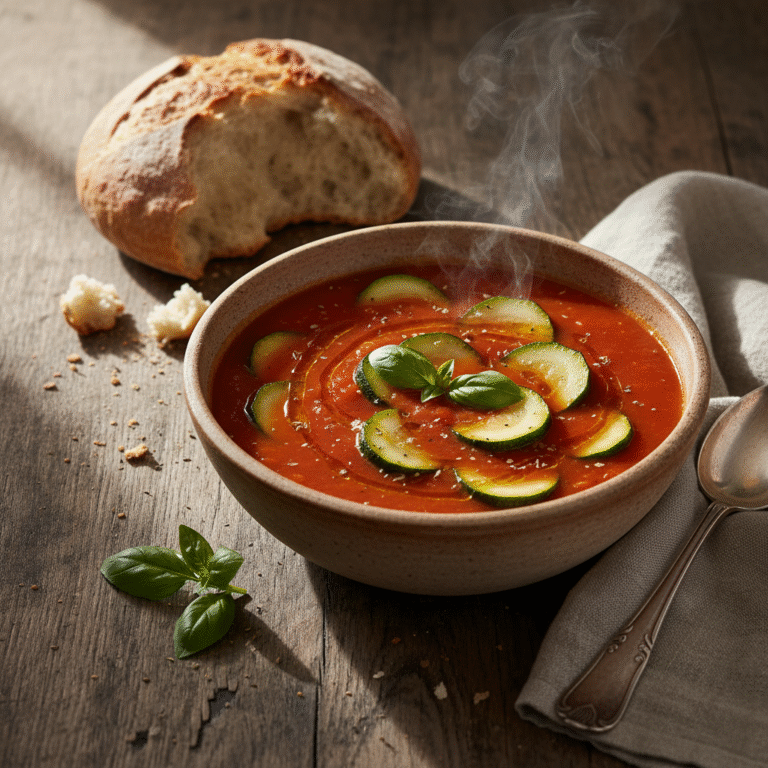
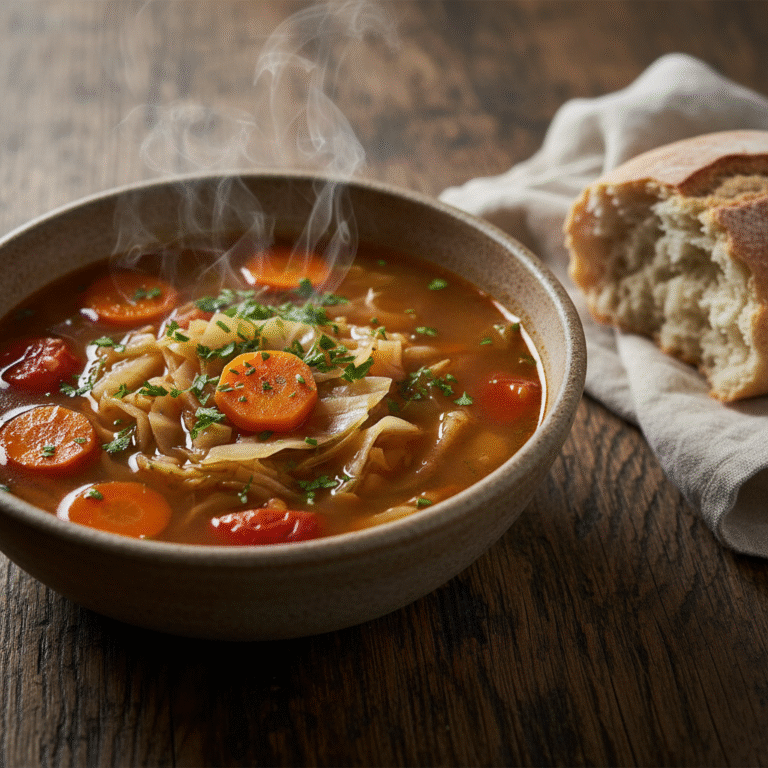
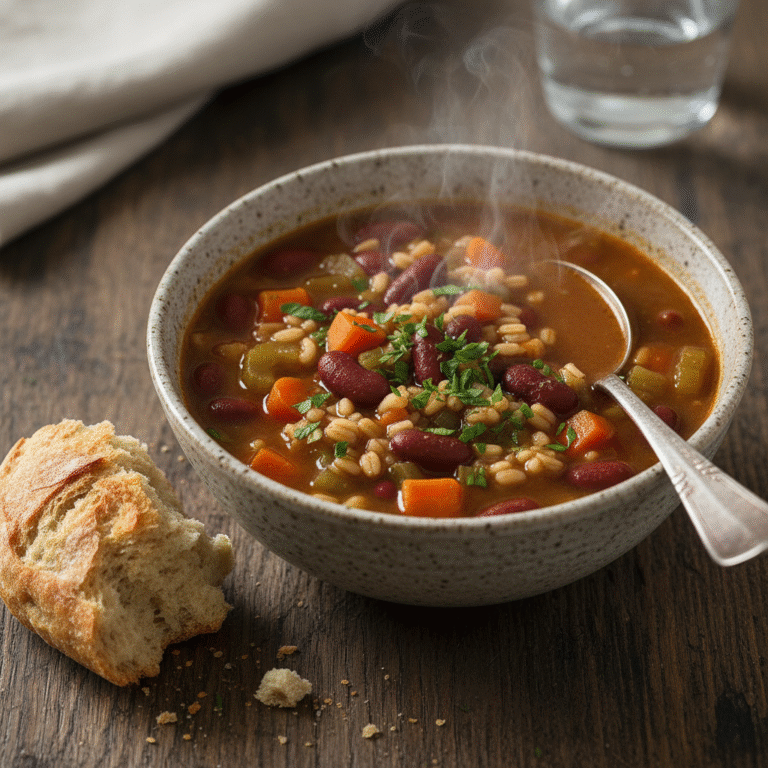
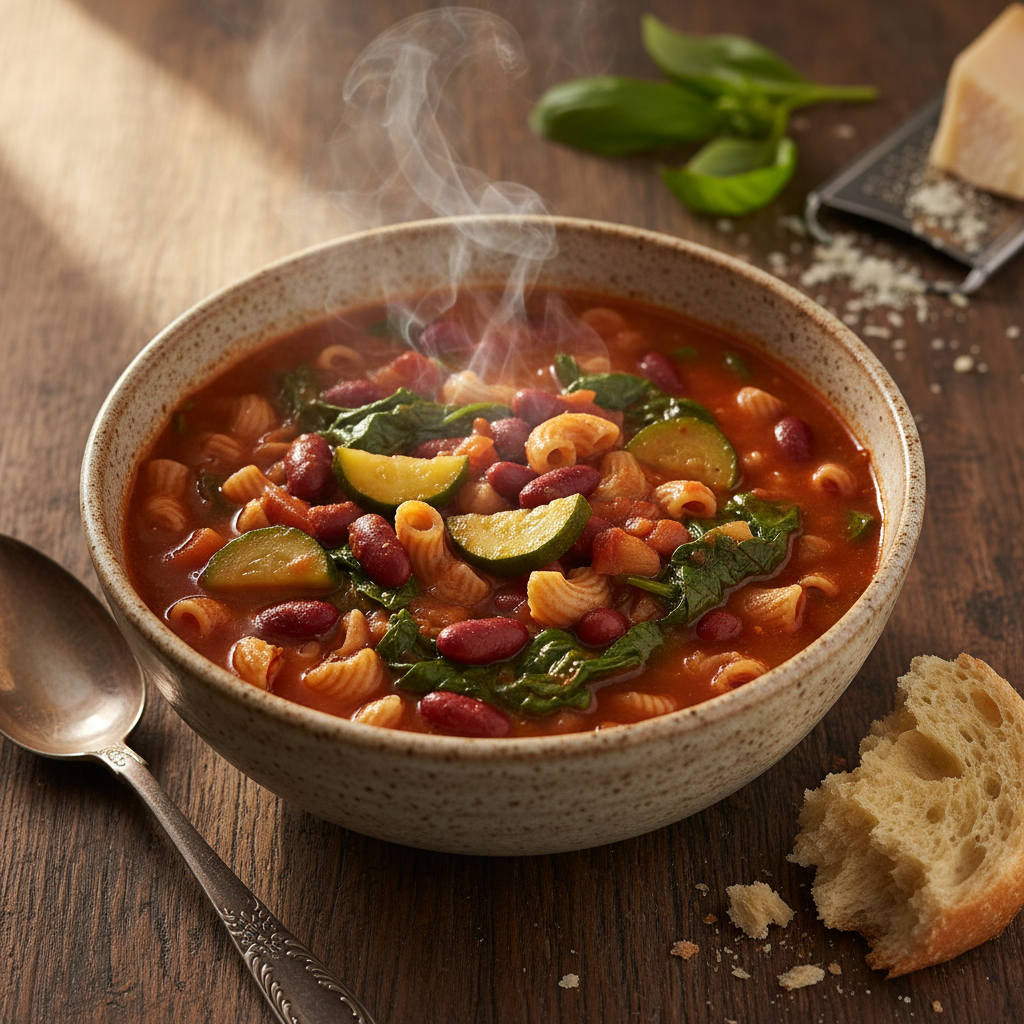
What sets this specific recipe apart is the use of whole wheat pasta. Often, white pasta can become mushy and lost in a hearty soup, but the whole grain variety retains a delightful ‘al dente’ chewiness and adds a subtle nutty flavor that complements the earthiness of the beans and vegetables perfectly. Each spoonful offers a harmonious blend of tender zucchini, sweet tomatoes, creamy kidney beans, and vibrant spinach, all united by a broth that tastes like it has been simmering for days. Whether you are looking for a meatless Monday masterpiece, a meal prep champion, or simply a way to use up the vegetables in your crisper drawer, this soup delivers on all fronts. It is rich in fiber, packed with plant-based protein, and deeply satisfying, proving that healthy eating can be synonymous with pure comfort.
History & Origins
Minestrone, often referred to as the ‘big soup’ in Italian culture, is a dish with roots as deep and varied as the history of Italy itself. Its origins can be traced back thousands of years to the Roman Empire, long before the tomato was even introduced to Europe. Historically, minestrone was a dish born of necessity—a classic example of ‘cucina povera’ or peasant cooking. It was the ultimate solution for using up leftovers, vegetable scraps, and whatever pulses were available to stretch a meal for a large family. Because of this, there is no single ‘authentic’ recipe for minestrone; it changes with the seasons and the regions.
In the north of Italy, you might find minestrone enriched with rice and butter, while in the south, pasta and olive oil are the staples. The addition of tomatoes became common only after the 16th century when they arrived from the Americas. Over centuries, the dish evolved from a humble vegetable porridge to the rich, complex soup we know today. It has survived wars, economic shifts, and culinary trends, remaining a steadfast staple in Italian households. This specific iteration pays homage to that tradition of adaptability by incorporating whole wheat pasta—a nod to modern nutritional awareness while maintaining the rustic soul of the original dish. It serves as a reminder that the best food often comes from the simplest ingredients, prepared with patience and care.
Why This Recipe Works
This recipe succeeds where others fail because it focuses on texture and depth of flavor, two elements often missing in vegetable soups. First, we employ the technique of sweating the vegetables slowly. By taking the time to sauté the mirepoix (onions, carrots, celery) until they are soft and sweet, we build a flavor foundation that stock cubes simply cannot replicate. Secondly, the addition of a Parmesan cheese rind is a game-changer. As it simmers, the rind releases rich, savory umami compounds into the broth, mimicking the depth usually provided by meat bones, while keeping the dish vegetarian-friendly (if using vegetarian cheese).
Furthermore, the choice of whole wheat pasta is strategic. Whole grains have a sturdier structure than refined grains. In a hot liquid environment, white pasta releases too much starch and disintegrates quickly, turning the soup into a thick sludge if not eaten immediately. Whole wheat pasta holds its shape, providing a satisfying bite even upon reheating. We also stagger the addition of vegetables—harder root vegetables go in first, while softer zucchini and spinach are added towards the end—ensuring that every ingredient is cooked to perfection, rather than having some mushy and others crunchy. This attention to detail results in a soup that is vibrant, distinct, and perfectly balanced.
Why You’ll Love This Recipe
- ✓Packed with fiber-rich vegetables and whole grains for sustained energy.
- ✓Uses a parmesan rind to infuse a deep, savory umami flavor without meat.
- ✓Whole wheat pasta retains texture better than white pasta for superior leftovers.
- ✓Highly versatile: easily adaptable to whatever seasonal veggies you have on hand.
- ✓One-pot meal that simplifies cleanup while maximizing flavor.
Equipment You’ll Need
- ✓Large Dutch oven or heavy-bottomed soup pot
- ✓Wooden spoon
- ✓Chef’s knife
- ✓Cutting board
- ✓Can opener
- ✓Measuring cups and spoons
- ✓Ladle
Ingredients
- ✓2 tablespoons extra virgin olive oil
- ✓1 large yellow onion, diced
- ✓3 medium carrots, peeled and chopped
- ✓2 stalks celery, chopped
- ✓3 cloves garlic, minced
- ✓1 teaspoon dried oregano
- ✓1 teaspoon dried basil
- ✓1/2 teaspoon dried thyme
- ✓1 (28-ounce) can crushed tomatoes
- ✓6 cups vegetable broth (low sodium)
- ✓1 parmesan cheese rind (optional but recommended)
- ✓1 cup whole wheat elbow macaroni or small shells
- ✓1 (15-ounce) can kidney beans, drained and rinsed
- ✓1 (15-ounce) can cannellini beans, drained and rinsed
- ✓1 medium zucchini, chopped into half-moons
- ✓1 cup fresh green beans, trimmed and cut into 1-inch pieces
- ✓2 cups fresh baby spinach
- ✓Salt and freshly cracked black pepper to taste
- ✓Fresh parsley and grated parmesan for garnish
Instructions
- Heat the olive oil in a large Dutch oven or soup pot over medium heat. Once shimmering, add the diced onion, carrots, and celery. Sauté for about 8-10 minutes, stirring occasionally, until the vegetables are softened and the onions are translucent.
- Add the minced garlic, dried oregano, dried basil, and dried thyme. Cook for another 1-2 minutes, stirring constantly, until the garlic is fragrant. Be careful not to burn the garlic.
- Pour in the crushed tomatoes and vegetable broth. Stir well to combine, scraping up any browned bits from the bottom of the pot. Add the parmesan cheese rind if using.
- Increase the heat to high to bring the soup to a boil, then reduce the heat to low. Cover the pot partially and let it simmer for 20 minutes to allow the flavors to meld together.
- After simmering, stir in the whole wheat pasta, kidney beans, cannellini beans, and fresh green beans. Increase the heat slightly to maintain a gentle simmer. Cook for about 8 minutes, or until the pasta is almost al dente.
- Add the chopped zucchini to the pot. Continue to cook for another 3-5 minutes until the zucchini is tender and the pasta is fully cooked.
- Remove the pot from the heat. Discard the parmesan cheese rind. Stir in the fresh spinach and let it wilt in the residual heat of the soup (this takes about 1 minute).
- Taste the soup and season generously with salt and freshly cracked black pepper. Remember that the parmesan rind adds salt, so taste before salting heavily.
- Ladle into bowls and serve hot, garnished with fresh parsley and a dusting of grated parmesan cheese.
Expert Cooking Tips
- ✓Don’t skip the sauté step; sweating the onions, carrots, and celery builds the foundational sweetness of the soup.
- ✓If you plan to freeze the soup, cook the pasta separately and add it just before serving to prevent it from becoming mushy.
- ✓Use a high-quality vegetable broth, or better yet, homemade stock, as it constitutes the main volume of the soup.
- ✓For an extra depth of flavor, add a splash of balsamic vinegar or a squeeze of lemon juice right before serving to brighten the dish.
- ✓Cut all your vegetables to roughly the same size to ensure even cooking and a pleasant texture in every bite.
Substitutions and Variations
Minestrone is the ultimate adaptable recipe. If you don’t have kidney beans, Great Northern beans or chickpeas work beautifully. You can swap the zucchini for yellow squash, or add diced potatoes or sweet potatoes for a heartier carb source (if doing this, add them with the broth). For a gluten-free version, simply use a gluten-free pasta blend or substitute the pasta with brown rice or quinoa. If you aren’t strictly vegetarian, you can use chicken broth for a richer base or add cooked pancetta or sausage at the beginning with the onions. Kale or Swiss chard can easily replace the spinach; just add them a few minutes earlier as they take longer to wilt.
Common Mistakes to Avoid
The most common mistake with minestrone is overcooking the pasta. Because the pasta sits in hot liquid, it continues to cook even after you pull it off the heat. Aim for al dente or slightly undercooked if you aren’t serving it immediately. Another error is under-seasoning. A large pot of soup requires a surprising amount of salt to make the flavors pop; if it tastes bland, add salt a pinch at a time until the tomato and vegetable flavors sing. Finally, avoid boiling the soup vigorously once the beans are added, as this can cause them to break apart and make the broth cloudy.
Serving Suggestions
This soup is a meal in itself, but it pairs wonderfully with a slice of crusty, warm garlic bread or focaccia to sop up the savory broth. A crisp green salad with a sharp vinaigrette, such as an arugula salad with lemon and shaved parmesan, offers a nice temperature and texture contrast to the hot, soft soup. For a cozy dinner party, serve it with a glass of medium-bodied red wine like a Chianti or Sangiovese, which complements the tomato base perfectly.
Storage and Reheating Tips
Store leftovers in an airtight container in the refrigerator for up to 4-5 days. The soup will thicken as it sits because the pasta absorbs the broth; you may need to add a splash of water or extra broth when reheating. To reheat, warm gently on the stovetop over medium-low heat or in the microwave. If freezing, it is highly recommended to freeze the soup without the pasta. Cook fresh pasta when you are ready to eat the thawed soup. If you must freeze it with pasta, expect the noodles to be much softer upon reheating. Freeze for up to 3 months.
Nutrition Facts (Estimated)
| Serving Size | 1.5 cups |
| Calories | 285 |
| Fat | 6g |
| Saturated Fat | 1.5g |
| Unsaturated Fat | 4g |
| Trans Fat | 0g |
| Cholesterol | 5mg |
| Sodium | 580mg |
| Carbohydrates | 48g |
| Fiber | 11g |
| Sugar | 6g |
| Protein | 14g |
Frequently Asked Questions
Can I make this soup in a slow cooker?
Yes! Sauté the aromatics (onion, carrot, celery, garlic) in a pan first for best flavor, then add them to the slow cooker with the broth, tomatoes, spices, and beans. Cook on low for 6-8 hours. Add the pasta and zucchini during the last 30-40 minutes of cooking.
Is whole wheat pasta necessary?
While not strictly necessary, whole wheat pasta is recommended for this ‘healthy’ version as it adds more fiber and nutrients. It also holds its texture better in liquid than white pasta. However, you can use regular semolina pasta if you prefer.
Can I add meat to this recipe?
Absolutely. Browned Italian sausage, ground turkey, or diced pancetta make excellent additions. Cook the meat with the onions at the beginning of the recipe until browned, then proceed with the rest of the steps.
Why does my soup taste bland?
Soup often tastes bland due to a lack of salt or acid. Try adding more salt gradually. If it’s salty enough but still flat, add a teaspoon of lemon juice or red wine vinegar to brighten the flavors.
Do I have to use a parmesan rind?
No, it is optional. However, the rind adds a significant amount of savory depth (umami) that mimics meat stocks. If you skip it, you might want to add a tablespoon of tomato paste or a splash of soy sauce to deepen the flavor.
What vegetables are best for minestrone?
Traditional choices include onions, carrots, celery, tomatoes, and beans. However, seasonal vegetables like butternut squash in autumn, fresh peas in spring, or green beans and zucchini in summer are all excellent additions.
Can I use frozen vegetables?
Yes, frozen green beans, peas, or corn work well. Add them towards the end of the cooking time since they are usually blanched before freezing and cook very quickly.
How do I prevent the pasta from getting soggy in leftovers?
The best method is to cook the pasta separately and store it in a separate container. Add a portion of cooked pasta to your bowl and pour the hot soup over it when serving.
Conclusion
Making a pot of Minestrone Soup with Whole Wheat Pasta is a ritual that rewards you with days of delicious, nourishing meals. It is a testament to the power of simple, wholesome ingredients coming together to create something greater than the sum of their parts. Whether you are seeking a health reset, a family-friendly dinner, or just a cozy bowl to curl up with, this recipe is sure to become a staple in your kitchen rotation. Don’t be afraid to experiment with the vegetables you have on hand; the beauty of minestrone lies in its versatility. Grab your biggest pot, chop some fresh veggies, and get ready to enjoy the ultimate healthy comfort food.