Fresh & Zesty Quinoa Tabbouleh Salad: The Ultimate Gluten-Free Green Superfood Bowl
Quinoa Tabbouleh Salad With Parsley Recipe
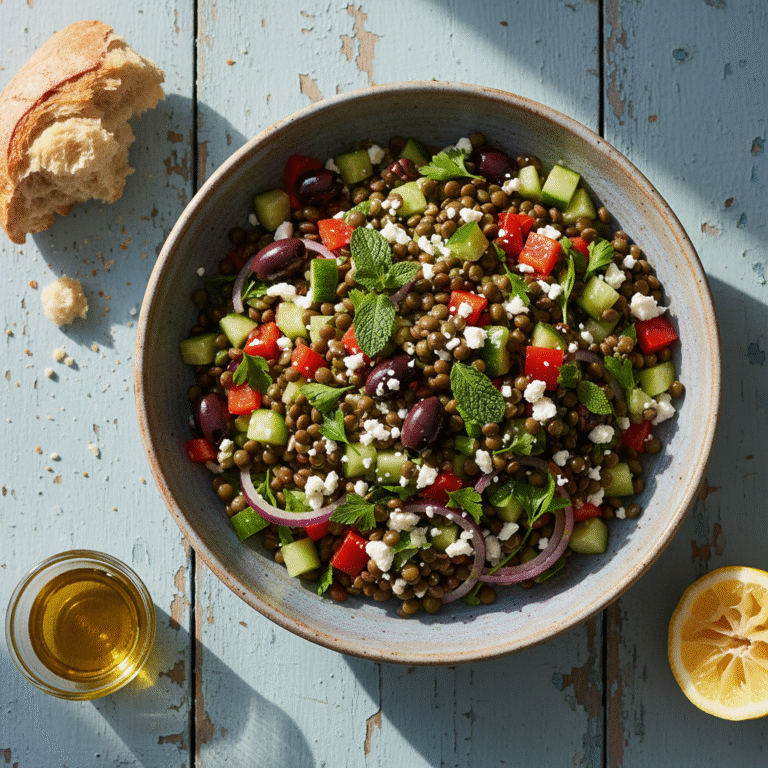
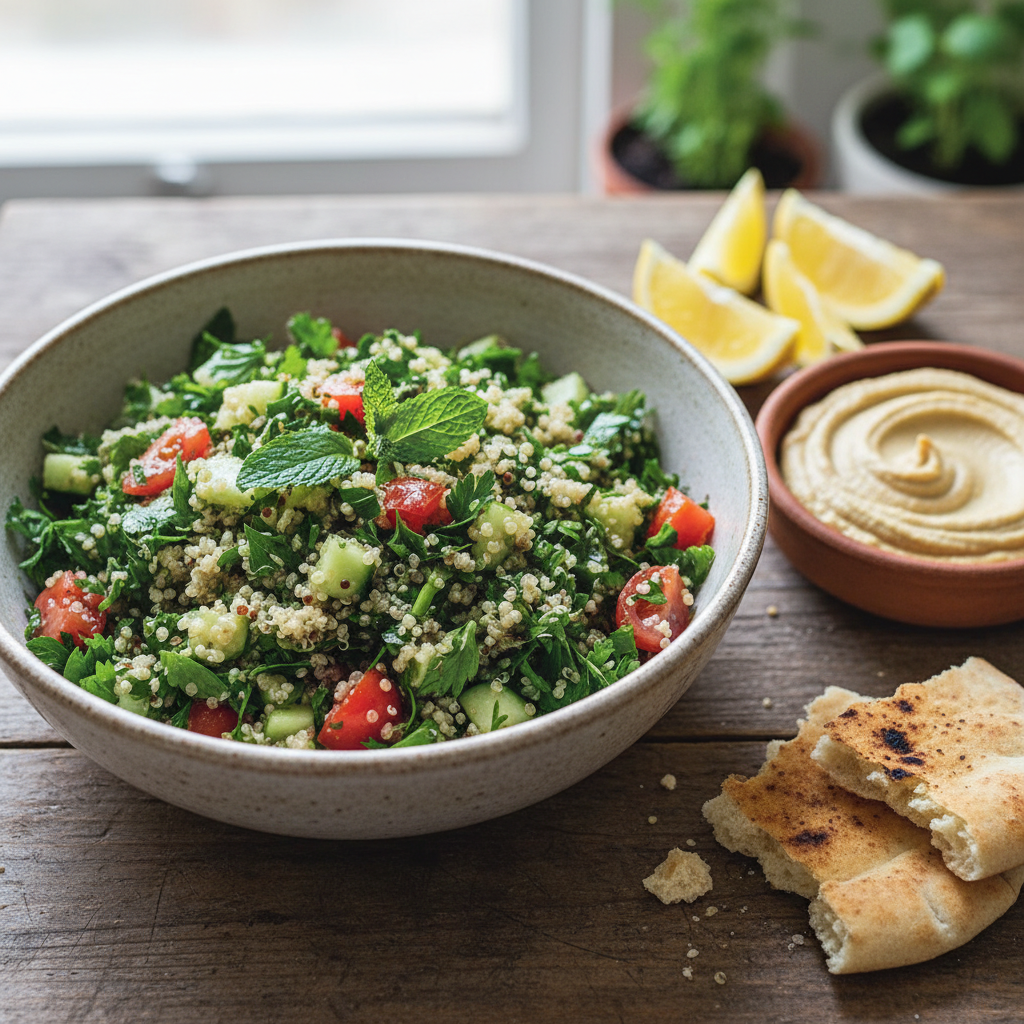
This vibrant Quinoa Tabbouleh is a refreshing, gluten-free twist on the Middle Eastern classic. Packed with mountains of fresh parsley, mint, and ripe tomatoes, it’s tossed in a zesty lemon-garlic dressing for a nutrient-dense salad that tastes even better the next day.
25 minutes
15 minutes
40 minutes
6 servings
Salad / Side Dish
Chopping / Boiling
Middle Eastern / Mediterranean Fusion
Gluten-Free
Tabbouleh is one of those rare dishes that feels like a literal injection of health the moment it hits your palate, yet it never compromises on flavor. While traditional Tabbouleh is a celebration of bulgur wheat, this modern interpretation swaps the grain for quinoa, transforming the dish into a protein-packed, gluten-free powerhouse that retains all the herbaceous charm of the original. The beauty of this salad lies in its ratio; unlike American grain salads that are heavy on the starch and light on the green, authentic-style Tabbouleh treats the parsley as the main event, with the grain acting merely as a textural accent.
Imagine the sharp, peppery bite of flat-leaf parsley and the cooling aroma of fresh mint, all mellowed out by the nutty, fluffy texture of quinoa. Add to that the sweet burst of ripe, red tomatoes and the crunch of Persian cucumbers, and you have a textural masterpiece. But the real secret is the dressing—a simple emulsion of high-quality extra virgin olive oil and bright lemon juice that marinates the ingredients, breaking down the fibrous herbs just enough to make them tender without losing their bite.
This Quinoa Tabbouleh is incredibly versatile. It serves as the perfect bed for grilled salmon, a vibrant side for a summer barbecue, or a standalone vegan lunch that won’t leave you feeling heavy. It is the epitome of ‘eating the rainbow,’ specifically the most vibrant shades of green and red. Whether you are a seasoned pro at Mediterranean cooking or looking for a way to use up that bumper crop of parsley from your garden, this recipe is your new go-to for fresh, fast, and flavorful eating.
History & Origins
To understand Tabbouleh (sometimes spelled Tabouli), we must travel to the mountains of Lebanon and Syria. Tabbouleh is a quintessential dish of the Levantine Arab world, with roots that likely stretch back to the Middle Ages. The name itself is derived from the Arabic word ‘taabil,’ meaning seasoning or spice, hinting at the dish’s intense flavor profile. Historically, this dish was an essential part of the ‘mezze’—a selection of small dishes served as appetizers in the Middle East. It was, and still is, a social dish, often eaten scooped up with fresh lettuce leaves or warm pita bread.
In its strictly traditional form, Lebanese Tabbouleh is not a grain salad; it is an herb salad. The primary ingredient is always finely chopped flat-leaf parsley. Bulgur wheat, a cracked wheat product that has been parboiled and dried, is used sparingly. The bulgur was traditionally soaked not in water, but in the juices of the tomatoes and the lemon dressing and olive oil, allowing it to soften and absorb the essence of the salad.
The introduction of quinoa is a relatively modern, Western adaptation. As gluten-free diets became necessary for those with Celiac disease and popular for general wellness, culinary creatives looked for a substitute that mimicked the size and texture of fine bulgur. Quinoa, the ancient Andean pseudo-cereal, was the perfect candidate. While purists might argue that Tabbouleh without bulgur isn’t Tabbouleh, this variation honors the spirit of the original—a celebration of fresh herbs, lemon, and oil—while making it accessible to a wider, modern audience. It represents a beautiful culinary cross-pollination between Middle Eastern tradition and South American agriculture.
Why This Recipe Works
This recipe succeeds where many other quinoa salads fail because it respects the moisture balance and texture required for a great Tabbouleh. First, the quinoa is cooked and then thoroughly cooled and fluffed before mixing. If you mix hot quinoa with fresh herbs, the herbs will wilt and turn a muddy color instantly. By cooling the grain, we preserve the vibrant chlorophyll green of the parsley and mint.
Secondly, this recipe emphasizes the ‘dry chop’ technique. One of the biggest pitfalls in making Tabbouleh is washing the herbs and chopping them while wet, resulting in a soggy, clumping mess. We emphasize washing and thoroughly drying the parsley and mint before a knife ever touches them. This ensures the dressing clings to the leaves rather than sliding off a layer of water.
Finally, the dressing ratio is calibrated specifically for quinoa. Quinoa is slightly more absorbent and has a nuttier, earthier profile than wheat bulgur. To cut through that earthiness, we amp up the lemon juice and use a robust extra virgin olive oil. The acidity of the lemon ‘cooks’ the raw garlic and onions slightly as the salad sits, mellowing their bite so you get the flavor without the harsh aftertaste. The result is a salad that is crisp, distinct, and harmoniously dressed, rather than a bowl of mush.
Why You’ll Love This Recipe
- ✓Naturally Gluten-Free and Vegan
- ✓Packed with antioxidants and Vitamin C
- ✓Excellent for meal prep; tastes better on day two
- ✓Uses affordable, accessible ingredients
- ✓High in plant-based protein and fiber
- ✓No heavy cooking required—perfect for hot days
Equipment You’ll Need
- ✓Fine mesh sieve
- ✓Medium saucepan with lid
- ✓Sharp Chef’s Knife
- ✓Large wooden cutting board
- ✓Salad spinner (optional but recommended)
- ✓Large mixing bowl
- ✓Small whisk or jar for dressing
- ✓Lemon squeezer
Ingredients
- ✓1 cup uncooked quinoa (white or tri-color)
- ✓2 cups water or vegetable broth
- ✓3 large bunches flat-leaf parsley (Italian parsley), stems removed
- ✓1/2 cup fresh mint leaves, stems removed
- ✓4 green onions (scallions), white and green parts very thinly sliced
- ✓3 medium vine-ripened tomatoes, seeded and finely diced
- ✓1 English cucumber (or 3 Persian cucumbers), finely diced
- ✓1/3 cup extra virgin olive oil (high quality)
- ✓1/3 cup fresh lemon juice (about 2-3 lemons)
- ✓1 clove garlic, minced (optional)
- ✓1 teaspoon fine sea salt, plus more to taste
- ✓1/2 teaspoon freshly cracked black pepper
Instructions
- 1. Prepare the Quinoa: Place the quinoa in a fine-mesh sieve and rinse thoroughly under cold water for at least 30 seconds to remove the bitter saponin coating. Combine the rinsed quinoa and water (or broth) in a saucepan. Bring to a boil, then cover, reduce heat to low, and simmer for 15 minutes or until water is absorbed. Remove from heat and let it sit covered for 5 minutes. Fluff with a fork and spread it out on a baking sheet to cool completely.
- 2. Prep the Herbs (Crucial Step): While the quinoa cooks, wash your parsley and mint thoroughly. Remove the thick stems. Dry the herbs completely using a salad spinner or by rolling them in clean kitchen towels. They must be dry to chop properly.
- 3. Chop the Greens: Using a very sharp knife, finely chop the parsley and mint. Do not use a food processor, as this will bruise the herbs and turn them into a paste. You want tiny, distinct confetti-like pieces.
- 4. Dice the Vegetables: Finely dice the tomatoes and cucumbers. For the tomatoes, remove the watery seeds to prevent the salad from becoming soupy. Slice the green onions very thinly.
- 5. Make the Dressing: In a small bowl or jar, whisk together the olive oil, fresh lemon juice, minced garlic, salt, and pepper until emulsified.
- 6. Assemble: In a very large mixing bowl, combine the cooled quinoa, chopped parsley, mint, green onions, diced tomatoes, and cucumbers.
- 7. Dress and Toss: Pour the dressing over the salad. Toss gently but thoroughly until everything is evenly coated.
- 8. Rest: Let the salad sit at room temperature for 15-30 minutes before serving. This allows the flavors to meld and the quinoa to absorb the lemon and oil. Taste and adjust salt or lemon juice if needed.
Expert Cooking Tips
- ✓Dry Herbs are Key: Ensure your parsley and mint are bone-dry before chopping. Wet herbs turn to mush and dilute the dressing.
- ✓Knife Skills: Use your sharpest knife for the herbs. A dull knife crushes the leaves rather than slicing them, leading to bruising and discoloration.
- ✓Cool the Quinoa: Never add hot quinoa to the herbs; it will cook them. The quinoa should be room temperature or cold.
- ✓Seed the Tomatoes: Removing the seeds and jelly from the tomatoes keeps the salad crisp for longer.
- ✓Quality Oil: Since this is a raw salad, the flavor of the olive oil really shines through. Use a high-quality Extra Virgin Olive Oil.
- ✓Let it Marinate: Tabbouleh is one of those dishes that tastes better after sitting for 30 minutes.
- ✓Salt at the End: Tomatoes release water when salted. If you aren’t serving immediately, consider adding the salt right before serving to keep it crunchier.
Substitutions and Variations
This recipe is highly adaptable. If you don’t have quinoa, the traditional choice is fine bulgur wheat (soaked, not cooked). For a low-carb or keto version, you can use riced cauliflower (raw or lightly sautéed) or hemp hearts. If you aren’t a fan of parsley, there isn’t a true substitute as it’s the main ingredient, but you can increase the ratio of quinoa and spinach for a milder ‘grain salad’ vibe. You can swap the green onions for finely diced red onion or shallots for a sharper bite. If you don’t have English or Persian cucumbers, standard garden cucumbers work, but be sure to peel the thick skin and remove the large seeds. For the dressing, lime juice can work in a pinch, though lemon is traditional. Pomegranate molasses is also a wonderful addition to the dressing for a touch of sweet-sour complexity.
Common Mistakes to Avoid
The most common mistake is using a food processor to chop the herbs. While it saves time, it creates a wet, pesto-like sludge rather than a fluffy salad. Hand-chopping is mandatory for the right texture. Another mistake is over-dressing the salad immediately. The vegetables will release moisture, so start with the recommended amount of dressing and add more only if needed. Using hot quinoa is a recipe for disaster—it will wilt the herbs instantly. Finally, don’t skimp on the lemon; Tabbouleh is meant to be acidic and bright. If it tastes bland, it usually needs more salt or more acid, not more oil.
Serving Suggestions
Quinoa Tabbouleh is incredibly versatile. It is traditionally served as part of a mezze platter alongside hummus, baba ganoush, and warm pita bread. It pairs beautifully with grilled proteins like lemon-herb chicken skewers, lamb kofta, or grilled shrimp. For a vegan feast, serve it with crispy falafel and a drizzle of tahini sauce. It also makes a fantastic filling for wraps or gyros. You can even serve it inside lettuce cups (Romaine or Butter lettuce) for a crisp, refreshing appetizer.
Storage and Reheating Tips
Store leftovers in an airtight glass container in the refrigerator. This salad actually tastes better the next day as the flavors marry, making it excellent for meal prep. It will keep well for 3 to 4 days. After day 2, the tomatoes may release more liquid; simply give the salad a good stir before serving. Do not freeze Tabbouleh; the fresh herbs and vegetables will lose their texture completely and become soggy upon thawing. If the salad seems a bit dry after sitting in the fridge, a fresh squeeze of lemon juice and a drizzle of olive oil will wake it back up.
Nutrition Facts (Estimated)
| Serving Size | 1 cup |
| Calories | 210 |
| Fat | 14g |
| Saturated Fat | 2g |
| Unsaturated Fat | 11g |
| Trans Fat | 0g |
| Cholesterol | 0mg |
| Sodium | 280mg |
| Carbohydrates | 18g |
| Fiber | 4g |
| Sugar | 2g |
| Protein | 5g |
Frequently Asked Questions
Is this recipe authentically Middle Eastern?
Authentic Tabbouleh uses bulgur wheat. This recipe uses quinoa to make it gluten-free and add protein, so it is a modern variation, though the flavor profile (parsley, mint, lemon, oil) remains true to the region.
Can I use curly parsley instead of flat-leaf?
Technically yes, but the texture will be very different. Flat-leaf (Italian) parsley is softer and has a better mouthfeel for salads. Curly parsley can be tough and ticklish in the throat.
How do I stop the quinoa from being bitter?
Quinoa has a natural coating called saponin which is bitter. The secret is to rinse the raw quinoa thoroughly in a fine-mesh sieve under cold running water until the water runs clear before cooking.
Why is my Tabbouleh soggy?
Sogginess usually comes from three things: not drying the herbs enough after washing, not seeding the tomatoes, or adding the dressing too early if you aren’t eating it right away.
Can I make this ahead of time?
Yes! In fact, making it 2-3 hours ahead allows the flavors to develop. If making it a day ahead, you might want to hold back slightly on the salt and add the tomatoes closer to serving time to maintain maximum crunch.
Is this salad keto-friendly?
Quinoa is a carbohydrate, so this is not strictly keto. For a keto version, substitute the quinoa with hemp seeds or raw riced cauliflower.
Do I have to peel the cucumbers?
If you use English (hothouse) or Persian cucumbers, no peeling is necessary as the skin is thin. If using standard waxing cucumbers, you should peel them and remove the seeds.
Can I add other vegetables?
Absolutely. While not traditional, many people enjoy adding diced bell peppers, radishes, or even pomegranate seeds for extra color and crunch.
Conclusion
This Quinoa Tabbouleh Salad with Parsley is more than just a side dish; it’s a celebration of fresh ingredients and vibrant flavors. By swapping bulgur for quinoa, we’ve created a dish that is accessible to everyone, regardless of dietary restrictions, without sacrificing the soul of the original Levantine classic. It’s crisp, lemony, herbaceous, and deeply satisfying. Whether you are meal-prepping for a busy week or hosting a summer garden party, this salad is guaranteed to be a crowd-pleaser. Give it a try, and you might just find yourself craving a bowl of parsley for lunch every day!