Ultimate Salmon Avocado Grain Bowl: The Perfect Healthy Weeknight Dinner
Salmon Avocado Grain Bowl Healthy Recipe
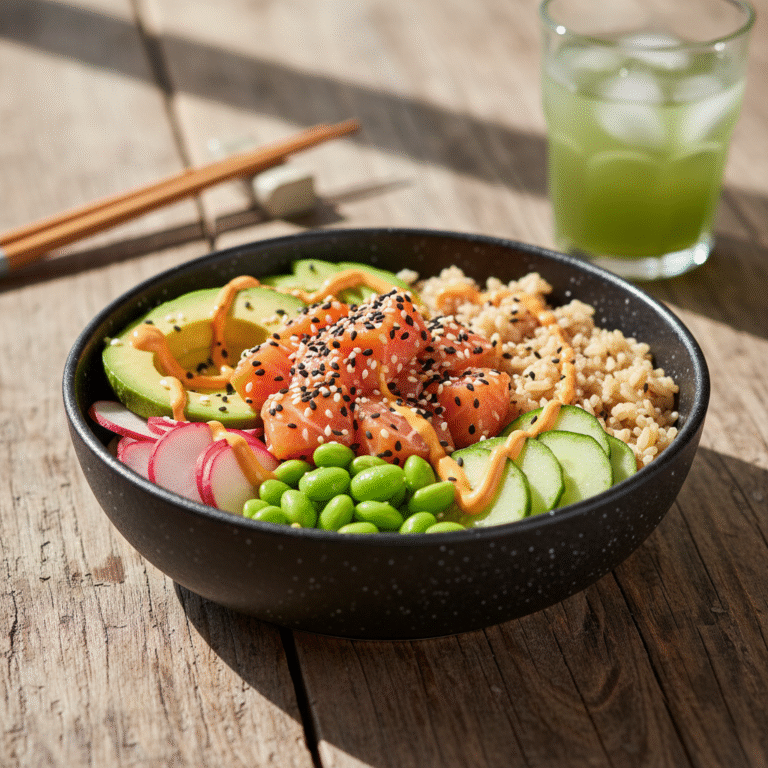
This vibrant Salmon Avocado Grain Bowl is a powerhouse of nutrition and flavor, featuring perfectly pan-seared salmon, creamy avocado, and nutty quinoa drizzled with a zesty lemon-tahini dressing. Ready in under 45 minutes, it is the ultimate solution for a wholesome, satisfying meal that feels gourmet but is incredibly easy to prepare.
15 minutes
20 minutes
35 minutes
2 servings
Main Course
Stovetop
Modern American / Fusion
Gluten-Free
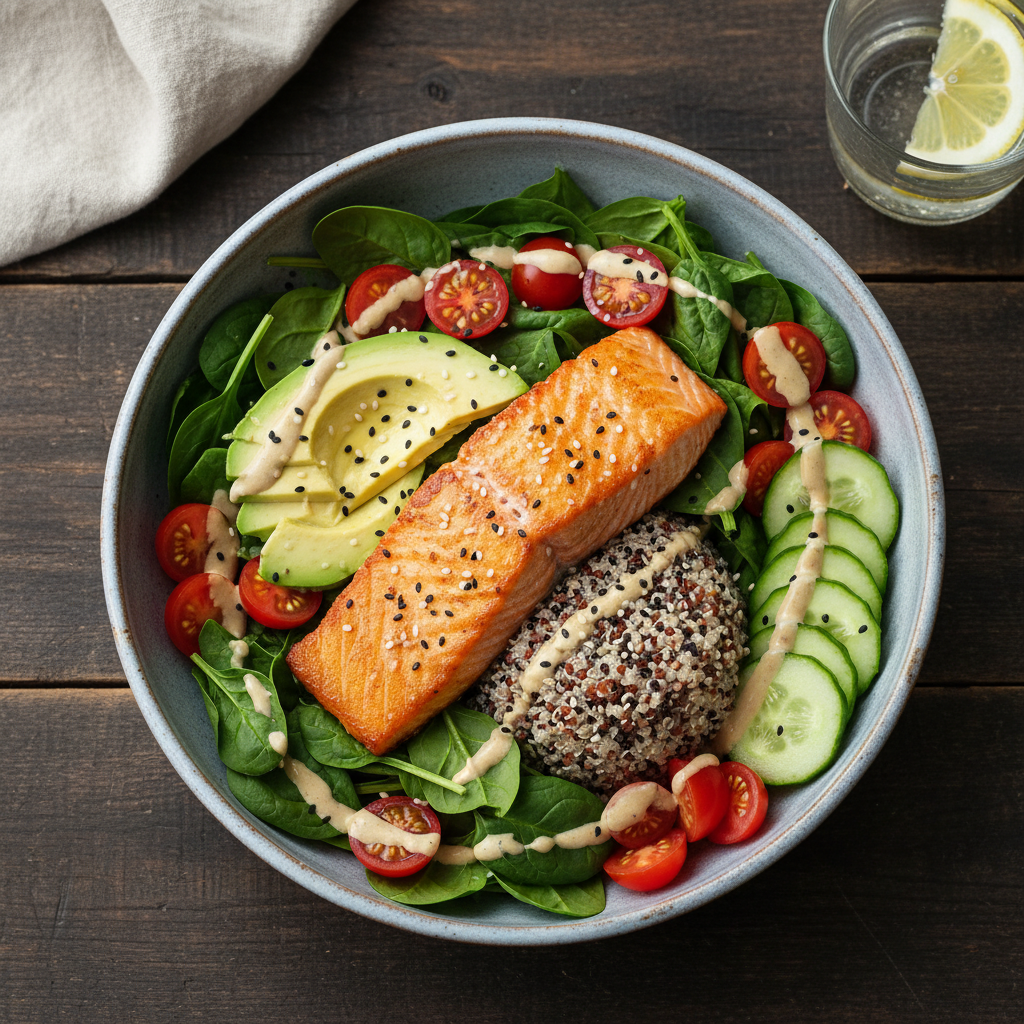
In the world of healthy eating, few dishes manage to strike the perfect balance between nutritious sustenance and pure culinary indulgence quite like a well-crafted grain bowl. This Salmon Avocado Grain Bowl is a celebration of textures and flavors, designed to nourish your body while delighting your palate. Imagine a base of fluffy, nutty quinoa or farro, acting as the canvas for a masterpiece of ingredients. On top sits a fillet of salmon, skin crisped to golden perfection, its flesh tender and flaking at the touch of a fork. Beside it, slices of ripe, buttery avocado offer a cooling contrast to the warm, savory fish. But a grain bowl is only as good as its dressing, and here we elevate the dish with a creamy, tangy lemon-tahini drizzle that ties every element together.
The beauty of this recipe lies in its versatility and its visual appeal. It is a feast for the eyes, with vibrant greens from spinach or kale, the bright orange hue of the salmon, and the creamy green of the avocado making it Instagram-ready the moment it hits the bowl. Beyond aesthetics, this meal is a macronutrient dream, packing high-quality protein, heart-healthy fats, and complex carbohydrates into a single vessel. Whether you are a busy professional looking for a quick dinner, a fitness enthusiast seeking post-workout fuel, or simply someone trying to incorporate more whole foods into your diet, this bowl checks every box. It is substantial enough to keep you full for hours without weighing you down, making it a perfect lunch or dinner option. By preparing the components fresh, you unlock layers of flavor that store-bought salads simply cannot replicate.
History & Origins
The concept of the ‘grain bowl’—often interchangeably referred to as a Buddha bowl, macro bowl, or hippie bowl—has roots that run deep through various cultures, though its modern iteration is a relatively recent phenomenon in Western culinary trends. Historically, meals served in a single bowl consisting of a starch base topped with vegetables and proteins have been staples in Asian, Middle Eastern, and Latin American cuisines for centuries. Think of the Korean Bibimbap, the Japanese Donburi, or the Hawaiian Poke bowl. These traditional dishes emphasized balance, utilizing rice or noodles as a vehicle for seasonal toppings.
The specific rise of the ‘wellness’ grain bowl in the United States began gaining significant traction in the early 2010s, coinciding with a shift towards plant-forward diets and the ‘clean eating’ movement. The term ‘Buddha bowl’ is often attributed to the visual of a rounded bowl packed so full it resembles the rounded belly of Budai (the Laughing Buddha), representing abundance and nourishment. As quinoa exploded in popularity as a ‘superfood’ grain from the Andes, it quickly replaced white rice in many health-conscious kitchens. Simultaneously, the avocado craze took over the culinary world, driven by its rich texture and health benefits. Pairing these modern health staples with salmon—a fish long revered in coastal cultures from the Pacific Northwest to Scandinavia for its omega-3 content—was a natural evolution. This specific Salmon Avocado Grain Bowl represents the convergence of these global influences, refined into a modern American staple that prioritizes whole, unprocessed ingredients presented in an aesthetically pleasing, customizable format.
Why This Recipe Works
This recipe succeeds because it is built on the fundamental principles of flavor balancing and textural contrast. First, let’s talk about the salmon. By pan-searing the salmon, we create a Maillard reaction on the surface, giving it a savory, caramelized crust that contrasts beautifully with the rich, fatty interior. This method ensures the fish remains moist, avoiding the common pitfall of dry, overcooked salmon.
Secondly, the interplay of temperatures and textures is key. The warm, savory grains and hot salmon are juxtaposed against the cool, creamy avocado and crisp, fresh vegetables like cucumber or radish. This temperature variation makes every bite interesting and dynamic. The avocado acts as a natural fat source that mimics the richness of cheese or heavy cream, providing a mouthfeel that makes the dish feel indulgent.
Finally, the dressing is the linchpin. A grain bowl without a proper sauce can feel dry and disjointed. The lemon-tahini dressing used here provides acidity to cut through the fat of the salmon and avocado, while the sesame paste (tahini) adds an earthy depth that complements the nuttiness of the quinoa. The emulsification of the dressing ensures it coats every grain and leaf, distributing flavor evenly throughout the bowl. This recipe works because it doesn’t just throw healthy ingredients together; it orchestrates them into a cohesive meal where each component enhances the others.
Why You’ll Love This Recipe
- ✓Packed with heart-healthy Omega-3 fatty acids and fiber.
- ✓Ready in under 45 minutes, perfect for weeknight dinners.
- ✓Highly customizable with your favorite grains and veggies.
- ✓Features a homemade creamy lemon-tahini dressing.
- ✓Gluten-free and dairy-free friendly.
Equipment You’ll Need
- ✓Large skillet or non-stick pan
- ✓Medium saucepan with lid
- ✓Small mixing bowl or jar
- ✓Chef’s knife
- ✓Cutting board
- ✓Whisk
- ✓Measuring cups and spoons
Ingredients
- ✓2 salmon fillets (approx. 6 oz each), skin-on or off
- ✓1 cup quinoa, uncooked (rinsed thoroughly)
- ✓2 cups vegetable broth or water
- ✓1 large ripe avocado, sliced
- ✓2 cups fresh baby spinach or kale
- ✓1 cup cucumber, diced
- ✓1/2 cup cherry tomatoes, halved
- ✓1/4 cup red onion, thinly sliced (optional)
- ✓2 tablespoons olive oil, divided
- ✓Salt and black pepper to taste
- ✓1 teaspoon garlic powder
- ✓1 teaspoon paprika
- ✓For the Dressing: 2 tbsp tahini
- ✓For the Dressing: 1 tbsp lemon juice
- ✓For the Dressing: 1 tbsp warm water (to thin)
- ✓For the Dressing: 1 tsp maple syrup or honey
- ✓For the Dressing: 1 clove garlic, minced
Instructions
- Rinse the quinoa thoroughly under cold water in a fine-mesh strainer to remove bitterness.
- In a medium saucepan, combine the rinsed quinoa and vegetable broth. Bring to a boil, then reduce heat to low, cover, and simmer for 15 minutes or until the liquid is absorbed and quinoa is fluffy. Remove from heat and let it sit covered for 5 minutes.
- While the quinoa cooks, prepare the salmon. Pat the fillets dry with a paper towel. Season generously with salt, pepper, garlic powder, and paprika on all sides.
- Heat 1 tablespoon of olive oil in a large skillet over medium-high heat. Once the oil is shimmering, place the salmon fillets in the pan (skin-side down if using skin-on).
- Cook the salmon for 4-5 minutes without moving it to allow a crust to form. Flip gently and cook for another 2-4 minutes, depending on thickness and desired doneness. Remove from pan and set aside.
- In a small bowl or jar, whisk together the tahini, lemon juice, minced garlic, maple syrup, and a pinch of salt. Add warm water one teaspoon at a time until the dressing reaches a drizzle-able consistency.
- To assemble the bowls, start with a base of the cooked quinoa. Add a handful of fresh spinach or kale to one side.
- Place the cooked salmon fillet on top of the grains.
- Arrange the sliced avocado, cucumber, cherry tomatoes, and red onion artistically around the bowl.
- Drizzle the lemon-tahini dressing generously over the entire bowl.
- Garnish with extra sesame seeds, a squeeze of fresh lemon, or fresh herbs like cilantro or parsley if desired. Serve immediately.
Expert Cooking Tips
- ✓Pat the salmon completely dry before searing to ensure a crispy crust rather than steaming the fish.
- ✓Rinsing quinoa is crucial to remove saponin, a natural coating that can make the grain taste soapy or bitter.
- ✓If your avocado is not quite ripe, you can speed up the process by placing it in a paper bag with a banana for a day.
- ✓Make extra dressing; it stores well and tastes great on almost any salad or roasted vegetable.
- ✓Let the salmon rest for a few minutes after cooking to allow the juices to redistribute throughout the fillet.
- ✓Toast the quinoa in the dry saucepan for 2 minutes before adding liquid to enhance its nutty flavor.
Substitutions and Variations
This grain bowl is incredibly flexible and can be adapted to suit various dietary needs and pantry staples. If you don’t have quinoa, brown rice, farro, barley, or even cauliflower rice (for a low-carb option) make excellent bases. For the protein, while salmon is the star, this bowl works wonderfully with grilled chicken breast, shrimp, or tofu for a vegetarian twist. If you are out of tahini for the dressing, a simple vinaigrette made from olive oil, lemon juice, and Dijon mustard is a classic alternative, or you could use a yogurt-based dressing for extra creaminess. Vegetable substitutions are endless; try roasted sweet potatoes, bell peppers, steamed broccoli, or shredded carrots instead of the raw veggies listed. For those who don’t eat avocado, try adding hummus or a soft-boiled egg to maintain that creamy, rich texture that balances the bowl.
Common Mistakes to Avoid
One of the most common mistakes when making grain bowls is poor timing, resulting in cold grains and cold fish. Try to time the quinoa and salmon so they finish roughly at the same time, or keep the quinoa warm while you sear the fish. Another pitfall is overcrowding the pan when cooking the salmon; this causes the temperature of the pan to drop and the fish to steam rather than sear, losing that delicious crust. Overcooking the salmon is also a frequent error; remember that the fish will continue to cook slightly from residual heat after you take it off the pan. Lastly, failing to season the individual components can lead to a bland bowl. Make sure to season your quinoa water, season the raw vegetables lightly, and season the fish well, rather than relying solely on the dressing for flavor.
Serving Suggestions
Serve this Salmon Avocado Grain Bowl immediately while the salmon and grains are still warm. It pairs beautifully with a side of miso soup to lean into the umami flavors, or a light, crisp white wine like a Sauvignon Blanc or Pinot Grigio if you are serving it for dinner. For a refreshing beverage pairing, try sparkling water with a slice of cucumber and mint. If you are hosting a lunch or dinner party, set up a ‘build your own bowl’ station where guests can choose their own toppings and dressings, making the meal interactive and fun. Provide wedges of lemon on the side for an extra hit of acid right before eating.
Storage and Reheating Tips
This recipe is excellent for meal prep, but storage requires a bit of strategy to keep everything fresh. Store the cooked quinoa and salmon in separate airtight containers in the refrigerator for up to 3 days. The fresh vegetables (cucumber, tomatoes, spinach) should be stored separately to prevent them from getting soggy or heated by the warm ingredients. The avocado is best cut fresh right before serving to prevent browning, but if you must store it, squeeze lemon juice over the slices and wrap them tightly in plastic wrap. The dressing can be stored in a jar in the fridge for up to a week; it may thicken when cold, so just add a splash of water and shake before using. To reheat, microwave the quinoa and salmon gently, or warm them in a skillet, then assemble with the cold fresh veggies and dressing.
Nutrition Facts (Estimated)
| Serving Size | 1 bowl |
| Calories | 650 |
| Fat | 35g |
| Saturated Fat | 5g |
| Unsaturated Fat | 28g |
| Trans Fat | 0g |
| Cholesterol | 70mg |
| Sodium | 480mg |
| Carbohydrates | 52g |
| Fiber | 12g |
| Sugar | 4g |
| Protein | 38g |
Frequently Asked Questions
Can I use frozen salmon for this recipe?
Yes, absolutely. Frozen salmon is often flash-frozen at peak freshness and is a cost-effective option. Just ensure you thaw it completely in the refrigerator overnight or in a bowl of cold water before cooking, and pat it very dry to get a good sear.
Is this recipe suitable for meal prep?
Yes, it is a great meal prep option. However, it is best to store the dressing, fresh vegetables, and cooked components in separate compartments of your meal prep container. Do not slice the avocado until you are ready to eat to avoid oxidation.
How do I know when the salmon is done?
The salmon is done when it turns opaque and flakes easily with a fork. The internal temperature should reach 145°F (63°C) at the thickest part. If you prefer it medium-rare, you can pull it off a bit earlier.
Can I make this vegan?
To make this vegan, simply swap the salmon for a plant-based protein like crispy tofu, tempeh, or chickpeas. The dressing and other components are already vegan-friendly (ensure you use maple syrup instead of honey).
What other grains can I use?
Farro, barley, brown rice, wild rice, bulgur, or couscous are all excellent alternatives. For a gluten-free option, stick to brown rice, millet, or buckwheat.
Why is my quinoa mushy?
Mushy quinoa usually results from using too much water or overcooking it. Stick to a 1:2 ratio of quinoa to liquid and avoid stirring it while it simmers. Let it steam with the lid on after cooking to fluff it up.
Is the skin of the salmon edible?
Yes, salmon skin is edible and contains healthy fats. If cooked properly (crispy), it is delicious. However, if you don’t like the texture, you can easily remove it after cooking or buy skinless fillets.
Can I use canned salmon?
While fresh or frozen fillets are recommended for the best texture, you can use high-quality canned salmon for a quicker, budget-friendly version. Just drain it well and perhaps flake it over the bowl.
Conclusion
The Salmon Avocado Grain Bowl is more than just a trend; it is a testament to how delicious healthy eating can be. By combining nutrient-dense ingredients with bold flavors and varied textures, you create a meal that feels like a treat rather than a chore. Whether you are cooking for yourself, your family, or preparing meals for the week ahead, this recipe offers consistency, health benefits, and pure satisfaction. We hope this becomes a staple in your kitchen rotation. Don’t forget to experiment with your own favorite toppings and grains to make it uniquely yours. Happy cooking and enjoy every wholesome bite!