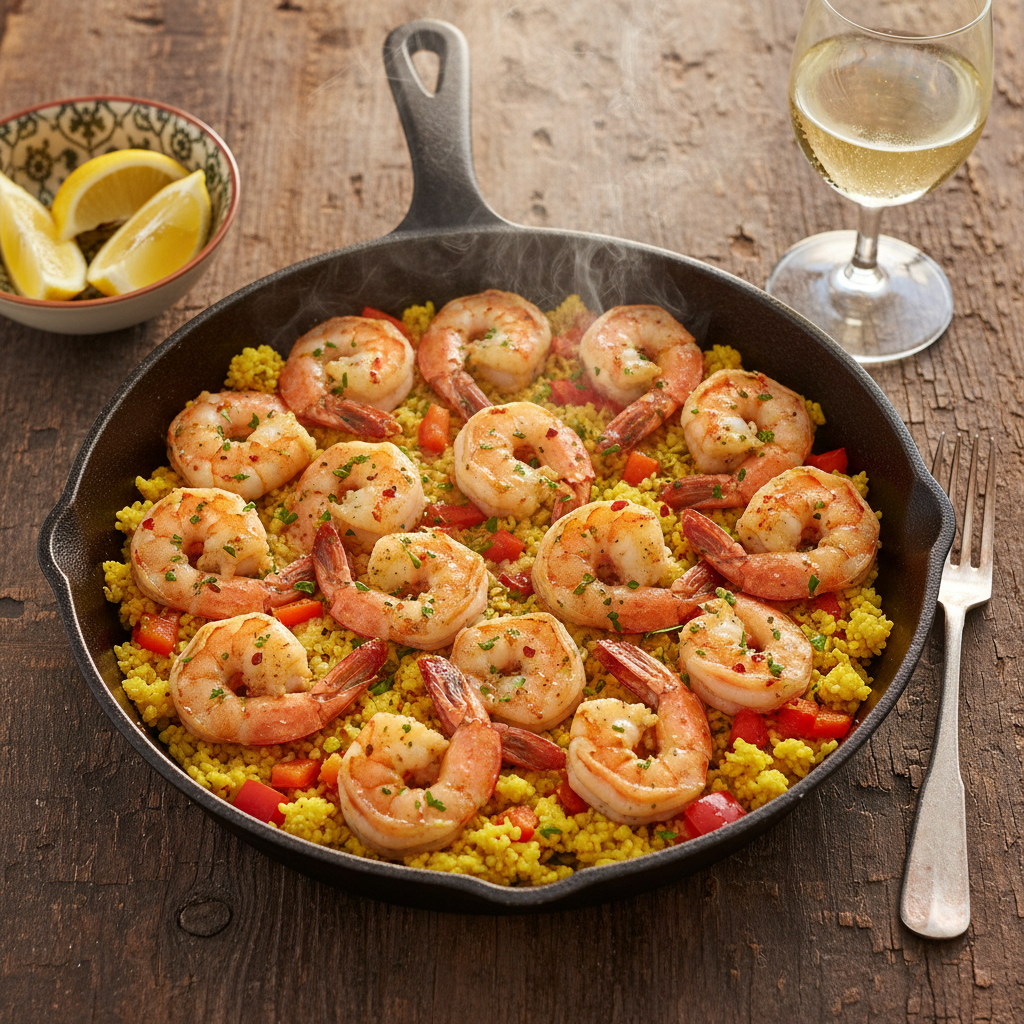
Garlic Butter Shrimp and Cauliflower Rice Skillet – 20 Minute Low Carb Dinner
Shrimp And Cauliflower Rice Skillet Low Carb Recipe
This vibrant Shrimp and Cauliflower Rice Skillet is the ultimate solution for busy weeknights, offering a burst of garlic butter flavor in a healthy, low-carb package. Ready in just 20 minutes, this one-pan wonder combines succulent shrimp with tender-crisp cauliflower rice for a guilt-free meal that tastes indulgent.
15 minutes
15 minutes
30 minutes
4 servings
Main Course
Stovetop
American Fusion
Low Carb
In the hustle and bustle of modern life, finding a dinner recipe that ticks every box—healthy, delicious, quick, and easy to clean up—can feel like searching for a needle in a haystack. Enter the Garlic Butter Shrimp and Cauliflower Rice Skillet, a dish that has rapidly become a staple in my kitchen and is guaranteed to become a favorite in yours. This recipe is more than just a low-carb alternative to a traditional rice bowl; it is a celebration of fresh flavors and textures that proves you don’t need heavy carbs to feel satisfied. The magic begins with the shrimp, seasoned to perfection and seared until just pink and snappy. But the real surprise is the cauliflower rice. If you’ve been on the fence about this vegetable substitute, this preparation will convert you. Sautéed in the same pan, it absorbs the fond—those delicious browned bits left behind by the shrimp and aromatics—transforming a humble vegetable into a savory, buttery base that rivals any grain. The addition of fresh lemon juice and parsley at the end cuts through the richness of the butter, providing a zesty lift that makes the whole dish sing. Whether you are strictly following a ketogenic diet, looking to cut down on gluten, or simply wanting to incorporate more vegetables into your meals without sacrificing flavor, this skillet dinner delivers on all fronts. It’s a sensory experience that feels gourmet but requires minimal effort, making it perfect for everything from a solo dinner to a family meal.
History & Origins
While the concept of ‘skillet dinners’ has been a cornerstone of American home cooking for decades, popularized in the mid-20th century for their convenience and efficiency, the specific combination of shrimp and cauliflower rice is a relatively modern innovation born out of the low-carb and ketogenic health movements. The history of this dish is really a tale of two ingredients finding each other in the culinary landscape of the 21st century. Shrimp has long been a beloved protein globally, celebrated in dishes like Shrimp Scampi or Shrimp Fried Rice for its quick cooking time and sweet, delicate flavor. However, the rise of cauliflower rice is a fascinating chapter in modern food history. While grated cauliflower has appeared in couscous recipes in the Middle East and North Africa for some time, it exploded onto the Western health food scene around 2012. As the Paleo and Keto diets gained traction, home cooks and chefs alike began searching for lower-glycemic alternatives to white rice and wheat pasta. An enterprising few discovered that pulsing raw cauliflower in a food processor created a grain-like texture that could mimic rice when cooked. This innovation revolutionized low-carb cooking, allowing people to enjoy their favorite stir-fries and pilafs without the carb load. This specific recipe marries the classic, butter-laden techniques of French-influenced seafood preparation with this modern vegetable hack, creating a fusion dish that represents the current era of health-conscious but flavor-forward eating.
Why This Recipe Works
This recipe succeeds because it masterfully balances moisture control and flavor layering—two critical elements often overlooked in one-pan meals. One of the biggest complaints about cauliflower rice is that it can become soggy or mushy. This recipe circumvents that issue by using a wide skillet and high heat, which encourages evaporation and allows the cauliflower to sauté and brown slightly rather than steam in its own juices. By cooking the aromatics (onion and garlic) first, we build a savory foundation. We then remove the shrimp after a quick sear to prevent them from becoming rubbery—a common pitfall in seafood dishes. Reintroducing the shrimp only at the very end ensures they remain plump and juicy while the cauliflower rice has ample time to absorb the garlic butter and lemon zest. Furthermore, the fat content from the butter carries the flavor compounds of the spices and herbs, ensuring every grain of cauliflower is coated in seasoning. The acidity from the lemon juice acts as a necessary counterpoint to the rich butter, brightening the palate and enhancing the natural sweetness of the shrimp. It is a chemically balanced dish where fat, acid, heat, and texture all work in harmony.
Why You’ll Love This Recipe
- ✓Ready in under 30 minutes from prep to plate.
- ✓Low carb, Keto-friendly, and Gluten-Free.
- ✓One-pan meal means minimal cleanup.
- ✓High in protein and packed with vegetables.
- ✓Versatile flavor profile that can be easily customized.
Equipment You’ll Need
- ✓Large Skillet or Wok
- ✓Chef’s Knife
- ✓Cutting Board
- ✓Citrus Juicer
- ✓Measuring Spoons
- ✓Spatula or Wooden Spoon
Ingredients
- ✓1 lb large shrimp, peeled and deveined
- ✓1 large head cauliflower, grated into ‘rice’ (or 1 bag frozen cauliflower rice)
- ✓1 small yellow onion, finely diced
- ✓1 red bell pepper, diced
- ✓4 cloves garlic, minced
- ✓3 tbsp unsalted butter, divided
- ✓1 tbsp olive oil
- ✓1 tsp smoked paprika
- ✓1/2 tsp salt
- ✓1/4 tsp black pepper
- ✓Juice of half a lemon
- ✓2 tbsp fresh parsley, chopped
- ✓Optional: Red pepper flakes for heat
Instructions
- Prepare the cauliflower by pulsing florets in a food processor until they resemble rice grains. If using frozen, let it thaw slightly and pat dry.
- In a small bowl, toss the peeled shrimp with half the garlic, smoked paprika, salt, and pepper.
- Heat a large skillet over medium-high heat. Add 1 tablespoon of butter and the olive oil.
- Add the shrimp to the skillet in a single layer. Sear for 1-2 minutes per side until pink and opaque. Remove shrimp from the pan and set aside.
- In the same skillet, add the remaining 2 tablespoons of butter. Add the diced onion and red bell pepper. Sauté for 3-4 minutes until softened.
- Stir in the remaining minced garlic and cook for another 30 seconds until fragrant, being careful not to burn it.
- Add the cauliflower rice to the skillet. Stir well to coat in the butter and veggie mixture. Cook for 5-7 minutes, stirring occasionally, until the cauliflower is tender but not mushy.
- Return the cooked shrimp and any accumulated juices back to the skillet. Toss everything together to combine and heat through.
- Squeeze fresh lemon juice over the skillet and sprinkle with fresh parsley.
- Taste and adjust seasoning with more salt, pepper, or red pepper flakes if desired. Serve immediately.
Expert Cooking Tips
- ✓Do not overcrowd the pan when searing shrimp; cook in batches if necessary to get a good sear.
- ✓If using frozen cauliflower rice, squeeze out excess water with a clean kitchen towel before cooking to avoid a soggy dish.
- ✓Fresh garlic makes a huge difference compared to jarred garlic in this simple recipe.
- ✓Use raw shrimp rather than pre-cooked for the best texture and flavor absorption.
- ✓Keep the heat relatively high when cooking the cauliflower to encourage evaporation of moisture.
Substitutions and Variations
This recipe is incredibly flexible and accommodates various dietary needs and pantry staples. If you are not a fan of shrimp, diced chicken breast or thighs work wonderfully; just adjust the cooking time to ensure the chicken is cooked through before setting aside. For a vegetarian option, firm tofu cubes or chickpeas can replace the protein. If cauliflower rice isn’t your favorite, you can substitute it with broccoli rice or even shirataki rice for a keto option, or regular jasmine rice if carb count isn’t a concern. Dairy-free? Swap the butter for ghee or additional olive oil, or use a high-quality vegan butter alternative. You can also mix up the vegetables; zucchini, asparagus, and green beans all make excellent additions to the skillet.
Common Mistakes to Avoid
The most common mistake with this dish is overcooking the shrimp. Shrimp cook very quickly, and leaving them in the pan while the cauliflower cooks will result in a rubbery, tough texture. Always remove them and add them back at the end. Another frequent error is covering the skillet while cooking the cauliflower rice. Covering traps steam, which turns the cauliflower into a wet mash rather than a fluffy rice substitute. Leave the lid off! Finally, seasoning is key. Cauliflower is very mild and needs adequate salt and acid (lemon juice) to bring out the flavors, so don’t be shy with the tasting spoon before serving.
Serving Suggestions
This skillet meal is substantial enough to stand on its own, but it pairs beautifully with a simple side salad of mixed greens with a vinaigrette to add a fresh crunch. For those not strictly following a low-carb diet, some crusty garlic bread is excellent for scooping up any remaining butter sauce. You can also serve this with avocado slices on top for added creaminess and healthy fats. A glass of crisp white wine, such as Sauvignon Blanc or Pinot Grigio, complements the garlic and seafood flavors perfectly.
Storage and Reheating Tips
Store leftovers in an airtight container in the refrigerator for up to 3 days. To reheat, use a skillet over medium heat for the best texture, as microwaving can sometimes make the shrimp rubbery and the cauliflower watery. If you must microwave, do so in short 30-second bursts, stirring in between. Freezing is not recommended for this specific recipe because the texture of the cauliflower rice tends to degrade and become mushy upon thawing and reheating, and the shrimp can lose their snap.
Nutrition Facts (Estimated)
| Serving Size | 1 bowl |
| Calories | 320 |
| Fat | 18g |
| Saturated Fat | 8g |
| Unsaturated Fat | 9g |
| Trans Fat | 0g |
| Cholesterol | 215mg |
| Sodium | 680mg |
| Carbohydrates | 12g |
| Fiber | 4g |
| Sugar | 4g |
| Protein | 28g |
Frequently Asked Questions
Can I use pre-cooked shrimp?
Yes, you can, but add them at the very end just to warm them through. Cooking them again will make them tough.
Is this recipe spicy?
As written, it is very mild. The smoked paprika adds flavor, not heat. Add red pepper flakes or cayenne if you want a kick.
How do I make my own cauliflower rice?
Cut a head of cauliflower into florets and pulse them in a food processor until they are the size of rice grains. Do not over-process or it will turn to mush.
Can I meal prep this?
Absolutely. It keeps well in the fridge for 3 days, making it a great option for work lunches.
Why is my cauliflower rice watery?
This usually happens if the pan wasn’t hot enough, the pan was overcrowded, or you used a lid. Let the moisture evaporate by cooking uncovered.
Is this strict Keto?
Yes, the ingredients are high in fat and protein and very low in net carbs, fitting perfectly into a ketogenic diet.
Can I add cheese?
Parmesan cheese is a delicious addition! Sprinkle freshly grated parmesan over the top just before serving.
What other spices work well?
Cajun seasoning, Old Bay, or Italian seasoning are all great alternatives to the smoked paprika blend.
Conclusion
This Garlic Butter Shrimp and Cauliflower Rice Skillet proves that healthy eating doesn’t have to be complicated or bland. It’s a testament to how a few fresh ingredients, when treated with respect and cooked properly, can come together to create a meal that is both nourishing and deeply satisfying. Whether you are a seasoned pro at low-carb cooking or just dipping your toes into the world of vegetable-forward meals, this recipe is a reliable, crowd-pleasing winner. Give it a try tonight, and enjoy the extra time you’ve saved on cleanup!