Ultimate Shrimp and Veggie Stir Fry Lunch Box: The Perfect Healthy Meal Prep
Shrimp And Veggie Stir Fry Lunch Box Recipe
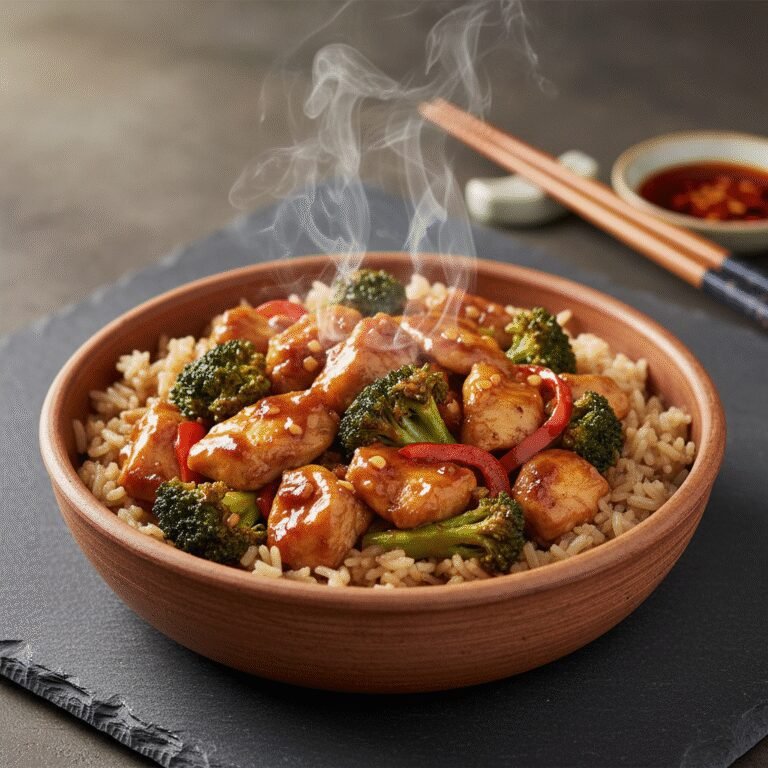
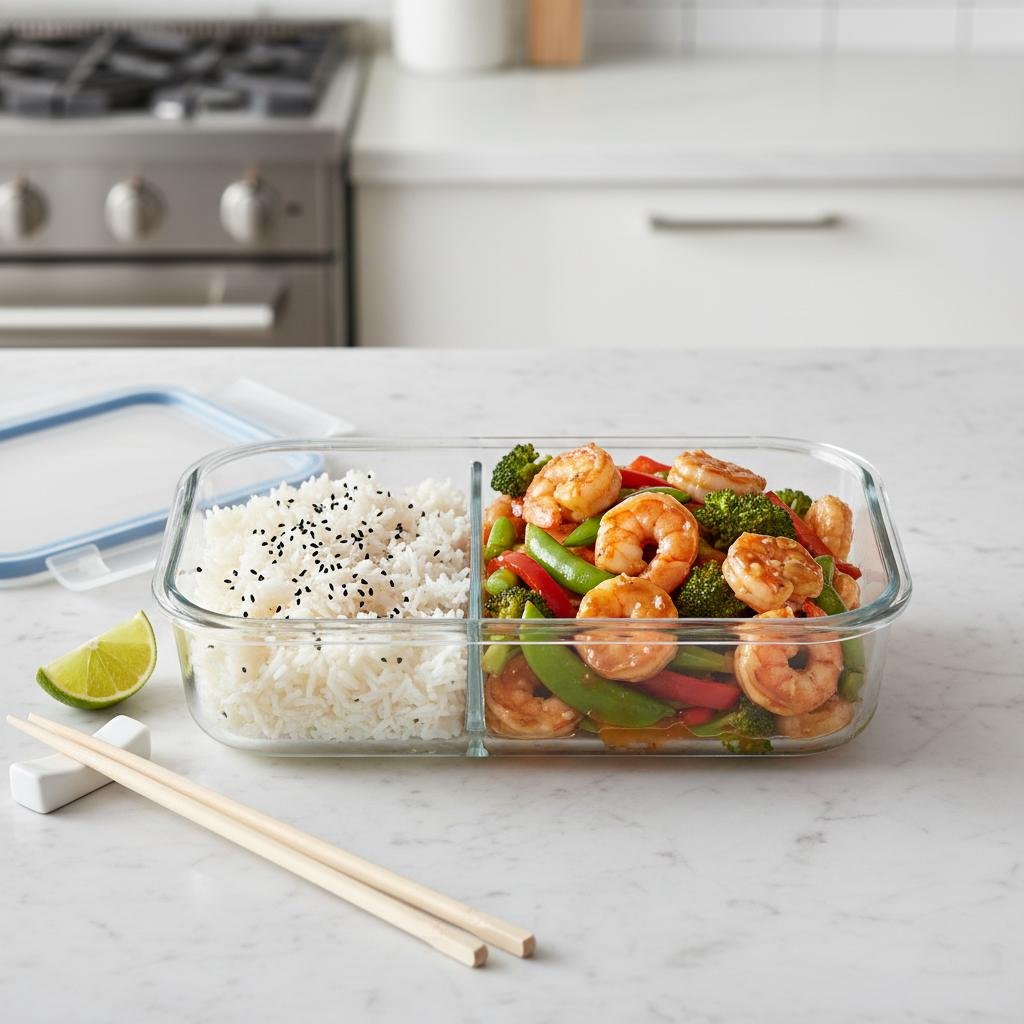
In the fast-paced world we live in, finding a lunch option that is both nutritious and genuinely exciting to eat can feel like an impossible task. We often find ourselves oscillating between sad, soggy salads and expensive takeout that leaves us feeling sluggish for the rest of the afternoon. Enter the Ultimate Shrimp and Veggie Stir Fry Lunch Box—a recipe designed to revolutionize your midday meal routine. This isn’t just another stir fry; it is a meticulously balanced symphony of flavors and textures specifically engineered to hold up beautifully in a meal prep container. Imagine opening your lunch box to find succulent, plump shrimp that have been seared to perfection, retaining their natural sweetness and juicy snap. They are nestled amongst a vibrant mosaic of crisp-tender vegetables—emerald broccoli florets, ruby red bell peppers, and sweet snap peas—all coated in a savory, aromatic sauce that strikes the perfect chord between salty, sweet, and umami.
The magic of this dish lies in its versatility and its ability to transform a mundane desk lunch into a culinary escape. The sauce, a rich blend of soy, ginger, garlic, and a hint of sesame, clings to the ingredients rather than pooling at the bottom, ensuring that every bite is packed with flavor without turning your rice into mush. Furthermore, this recipe addresses the common pitfalls of meal prepping seafood. By using specific cooking techniques, we ensure the shrimp remains tender even after reheating. This dish is a celebration of fresh ingredients, bringing a burst of color and nutrition to your day. It’s high in protein, rich in fiber, and loaded with vitamins, providing the sustained energy you need to power through the rest of your day. Whether you are a fitness enthusiast looking for clean macros or a busy parent needing a reliable, tasty lunch, this Shrimp and Veggie Stir Fry is your answer.
15 minutes
10 minutes
25 minutes
4 servings
Main Course
Stir-Fry
Asian-Fusion
Pescatarian
History & Origins
While the specific concept of a ‘Shrimp and Veggie Stir Fry Lunch Box’ is a modern culinary invention born out of the meal prep movement, its roots are deeply planted in two distinct and rich traditions: the ancient Chinese technique of stir-frying and the Japanese art of the Bento. Stir-frying, or ‘chao,’ originated in China during the Han Dynasty but flourished during the Song Dynasty as cast-iron cookware became more accessible. The wok, with its unique shape, allowed chefs to cook food quickly over extremely high heat, preserving the color, texture, and nutritional value of the ingredients—a philosophy that is central to this recipe. The technique traveled across the globe with the Chinese diaspora, evolving and adapting to local ingredients and palates, eventually becoming a staple in American households by the mid-20th century.
Parallel to this is the history of the lunch box. The Japanese ‘bento’ dates back to the Kamakura period (1185–1333), initially serving as a practical way to carry dried rice. Over centuries, it evolved into an art form, emphasizing a balanced meal that is aesthetically pleasing. In the West, the industrial revolution brought about the ‘dinner pail,’ which eventually morphed into the iconic metal lunch boxes of the 1950s and the Tupperware revolution of the 1960s. Today’s ‘meal prep’ culture is a digital-age convergence of these histories. It combines the efficiency and health benefits of the ancient stir-fry technique with the portability and compartmentalization of the bento tradition. This recipe honors that lineage, utilizing the high-heat cooking method to lock in flavor, while being designed specifically for the modern, compartmentalized glass containers that have become the symbol of 21st-century healthy living.
Why This Recipe Works
This recipe succeeds where many other meal prep recipes fail because it is scientifically designed to withstand the storage and reheating process. First and foremost, the choice of protein is key. Shrimp has a unique muscle structure that, when cooked correctly (quickly and over high heat), retains moisture exceptionally well. Unlike chicken breast, which can dry out and become stringy upon reheating, shrimp tends to stay forgiving, provided it isn’t overcooked initially. We intentionally undercook the veggies slightly—aiming for ‘crisp-tender’ rather than fully soft. This accounts for the ‘carry-over cooking’ that happens when the hot food is placed in the container, as well as the secondary cooking that occurs when you microwave your lunch.
Furthermore, the sauce formulation is critical. A watery sauce spells disaster for a lunch box, leading to soggy rice and limp vegetables. This recipe utilizes a cornstarch slurry added at the very end, which gelatinizes the liquids into a glossy glaze. This glaze coats the surface area of the ingredients, protecting them from drying out while ensuring the flavor stays on the food, not in the bottom of the bowl. The balance of aromatics—fresh ginger and garlic—provides a punchy flavor profile that doesn’t dull over time, unlike more subtle herbal flavors which can fade after a day in the fridge.
Why You’ll Love This Recipe
- ✓High-Protein & Low-Calorie: Perfect for fueling your afternoon without the crash.
- ✓Meal-Prep Friendly: Designed to stay fresh and tasty for up to 3 days.
- ✓Quick & Easy: Ready in under 30 minutes from chopping board to lunch box.
- ✓Nutrient Dense: Packed with a variety of colorful vegetables for maximum vitamin intake.
- ✓Versatile: Easily customizable with whatever veggies you have in the fridge.
- ✓Kid-Approved: The savory-sweet sauce makes veggies palatable for picky eaters.
Equipment You’ll Need
- ✓Large Wok or Skillet
- ✓Chef’s Knife
- ✓Cutting Board
- ✓Small Mixing Bowl (for sauce)
- ✓Whisk
- ✓Meal Prep Containers (Glass preferred)
- ✓Rice Cooker (optional)
Ingredients
- ✓1 lb Large Shrimp (peeled, deveined, tails off)
- ✓2 cups Broccoli florets
- ✓1 Red Bell Pepper (sliced into strips)
- ✓1 cup Sugar Snap Peas
- ✓1 tbsp Vegetable Oil or Avocado Oil
- ✓1/4 cup Low-Sodium Soy Sauce (or Tamari)
- ✓1 tbsp Rice Vinegar
- ✓1 tbsp Sesame Oil
- ✓1 tbsp Brown Sugar or Honey
- ✓2 cloves Garlic (minced)
- ✓1 tbsp Fresh Ginger (grated)
- ✓1 tsp Cornstarch mixed with 1 tsp water
- ✓2 cups Cooked Jasmine or Brown Rice
- ✓Sesame seeds and Green Onions for garnish
Instructions
- 1. Prepare the Sauce: In a small bowl, whisk together the soy sauce, rice vinegar, sesame oil, brown sugar, minced garlic, and grated ginger. Set aside.
- 2. Prep the Shrimp: Pat the shrimp completely dry with paper towels. This is crucial for getting a good sear. Season lightly with a pinch of salt and pepper.
- 3. Sear the Shrimp: Heat half of the vegetable oil in a large wok or skillet over medium-high heat. Add the shrimp in a single layer. Cook for 1-2 minutes per side until pink and opaque. Remove shrimp from the pan and set aside on a plate. Do not overcook!
- 4. Cook the Vegetables: Wipe out the wok if needed and add the remaining oil. Add the broccoli and bell peppers. Stir fry for 3-4 minutes. If the broccoli is too hard, add a splash of water and cover with a lid for 1 minute to steam.
- 5. Add Snap Peas: Add the snap peas to the pan and toss for another minute. You want the veggies to remain vibrant and crisp.
- 6. Combine: Return the cooked shrimp to the pan with the vegetables.
- 7. Sauce & Thicken: Give your sauce a quick whisk and pour it over the shrimp and veggies. Stir to coat. As soon as the sauce starts to bubble, add the cornstarch slurry. Toss everything constantly for 30-60 seconds until the sauce thickens into a glossy glaze.
- 8. Assemble Lunch Boxes: Divide the cooked rice evenly among 4 meal prep containers. Top with the shrimp and veggie stir fry. Garnish with sesame seeds and chopped green onions.
- 9. Cool & Store: Allow the containers to cool completely before sealing the lids and placing them in the refrigerator.
Expert Cooking Tips
- ✓Dry Your Shrimp: Moisture is the enemy of a good sear. Ensure shrimp are patted very dry before hitting the hot pan.
- ✓Prep Ahead: Stir-frying happens fast. Have all your veggies chopped and sauce mixed before you turn on the stove.
- ✓Don’t Crowds the Pan: If your wok is small, cook the shrimp in two batches to ensure they sear rather than steam.
- ✓Cut Veggies Uniformly: Try to cut all vegetables into similar sizes so they cook at the same rate.
- ✓Control the Salt: Use low-sodium soy sauce so you can control the saltiness level, especially if you are watching your sodium intake.
- ✓Rice Texture: Use day-old rice if possible, or slightly undercook your fresh rice so it doesn’t get mushy when reheating.
Substitutions and Variations
This recipe is incredibly flexible and welcomes substitutions based on dietary needs or pantry availability. For the protein, if you aren’t a fan of shrimp, diced chicken breast, sirloin steak strips, or cubed extra-firm tofu work wonderfully; just adjust the initial cooking time to ensure the protein is cooked through. For the vegetables, you can swap broccoli for cauliflower florets, bok choy, or asparagus. Zucchini and mushrooms are also great additions, though they release more water, so cook them over high heat quickly. If you are gluten-free, ensure you use Tamari or coconut aminos instead of traditional soy sauce. To lower the carb count, swap the jasmine rice for cauliflower rice or quinoa. For a refined sugar-free option, replace the brown sugar with honey, maple syrup, or a monk fruit sweetener.
Common Mistakes to Avoid
The most common mistake with this recipe is overcooking the shrimp. Shrimp cook incredibly fast, and they will continue to cook slightly from residual heat once removed from the pan, and again when you reheat your lunch. Cook them just until they turn pink and opaque, then immediately remove them. Another error is overcrowding the pan. If you dump all the ingredients in at once, the temperature of the pan drops, and the food steams in its own juices instead of frying, leading to soggy vegetables and rubbery shrimp. Finally, failing to cool the food before sealing the containers is a major mistake. Sealing hot food creates condensation inside the container, which drips back down onto the food, creating a breeding ground for bacteria and making your rice mushy.
Serving Suggestions
While this is designed as a lunch box meal, it can easily be served as a delightful dinner. If serving fresh for dinner, consider pairing it with some crispy vegetable spring rolls or a hot bowl of egg drop soup. For the lunch box, you can add a side of edamame or a small mandarin orange to round out the meal. A wedge of lime packed in the container (to be squeezed just before eating) adds a fresh zing that wakes up the flavors after reheating. If you like heat, pack a small container of sriracha or chili oil on the side.
Storage and Reheating Tips
Proper storage is key to meal prep safety and quality. Allow the stir fry and rice to cool to room temperature (but not for longer than 2 hours) before placing the lids on. Store the containers in the refrigerator for up to 3-4 days. For reheating, crack the lid loose to allow steam to escape and microwave on high for 1.5 to 2 minutes. If you want to freeze this meal, it is possible, but be aware that the texture of the vegetables may soften significantly upon thawing. If freezing, consume within 1 month for best quality. Sprinkle a few drops of water over the rice before microwaving to help re-steam it and bring back its fluffy texture.
Nutrition Facts (Estimated)
| Serving Size | 1 container (with 1/2 cup rice) |
| Calories | 380 |
| Fat | 10g |
| Saturated Fat | 1.5g |
| Unsaturated Fat | 8g |
| Trans Fat | 0g |
| Cholesterol | 185mg |
| Sodium | 680mg |
| Carbohydrates | 45g |
| Fiber | 5g |
| Sugar | 6g |
| Protein | 28g |
Frequently Asked Questions
Can I use frozen shrimp for this recipe?
Absolutely! Just make sure to thaw them completely and pat them very dry with paper towels before cooking to avoid excess water in the pan.
How do I keep the rice from getting hard in the fridge?
Adding a teaspoon of oil to the rice while it cooks helps keep the grains separate. Also, sprinkling water on it before reheating helps rehydrate the grains.
Can I eat this cold?
Yes, this stir fry is actually quite delicious cold, similar to a cold noodle salad, though the texture of the rice is best when warm.
Is this recipe gluten-free?
It can be! Just swap the soy sauce for Tamari or coconut aminos, and ensure your cornstarch is certified gluten-free.
What is the best container to use?
Glass containers with locking lids are superior. They don’t stain, they don’t retain odors, and they are safe for microwave reheating.
Can I use pre-cooked shrimp?
You can, but add them at the very end just to warm through. If you cook them again from the start, they will become tough and rubbery.
How can I make this spicier?
Add a teaspoon of red pepper flakes to the oil at the beginning, or mix Sriracha into the sauce.
Why is my sauce runny?
You likely didn’t let the cornstarch slurry boil. The sauce needs to reach a bubbling simmer for the cornstarch to activate and thicken.
Conclusion
There you have it—the ultimate guide to mastering the Shrimp and Veggie Stir Fry Lunch Box. By investing just a little bit of time on a Sunday afternoon, you can guarantee yourself a week of lunches that are not only healthy and cost-effective but also incredibly delicious. This recipe proves that meal prepping doesn’t have to be boring or repetitive. With the vibrant colors, the savory glaze, and the perfect balance of protein and fiber, you’ll actually look forward to your lunch break every single day. So grab your wok, chop those veggies, and get ready to elevate your lunch game to a whole new level. Happy cooking and happy lunching!