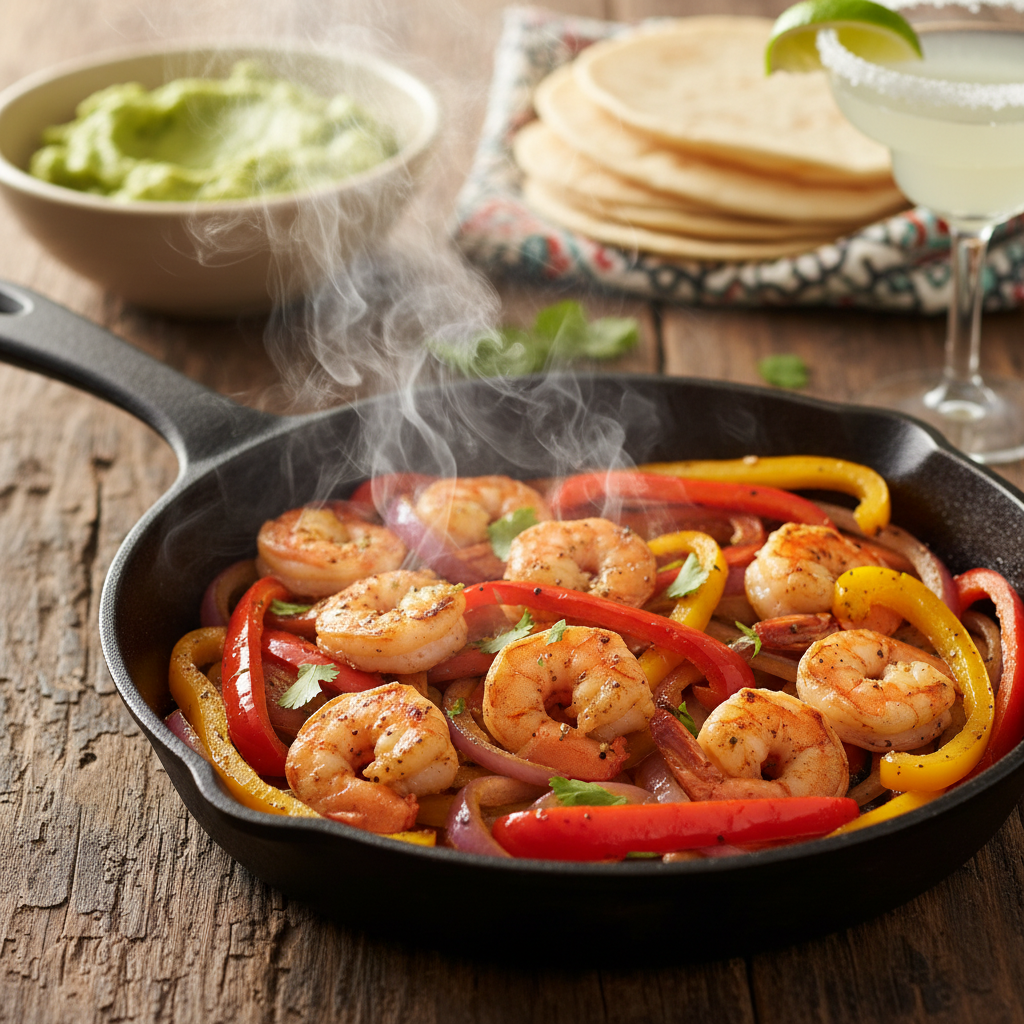
Sizzling 20-Minute Shrimp Fajita Skillet With Peppers And Onions
Shrimp Fajita Skillet With Peppers And Onions Recipe
Dinner doesn’t get faster or more flavorful than this sizzling Shrimp Fajita Skillet! Packed with succulent, spice-rubbed shrimp and crisp-tender bell peppers, this one-pan wonder is ready in under 25 minutes. It is the ultimate healthy, low-carb weeknight meal that tastes like a restaurant favorite.
15 minutes
10 minutes
25 minutes
4 servings
Main Course
Stovetop / Sauté
Tex-Mex
Gluten-Free
There is something undeniably captivating about the sound of a sizzling fajita skillet arriving at a table. The steam rising, the aroma of cumin and chili powder filling the air, and the vibrant colors of charred peppers and onions—it is a full sensory experience. This Shrimp Fajita Skillet brings that exact restaurant-quality excitement right into your home kitchen, but without the heavy price tag or the long wait times. As a food blogger, I am constantly on the hunt for recipes that bridge the gap between ‘healthy’ and ‘crave-worthy,’ and this dish sits comfortably on that throne.
Perfect for busy weeknights when you are tempted to order takeout, this recipe comes together in a flash. Shrimp is the ideal protein for quick cooking; unlike beef or chicken which require longer marinating and cooking times to become tender, shrimp soaks up flavor instantly and cooks in mere minutes. The homemade fajita seasoning blend is the secret weapon here, allowing you to control the sodium levels and heat preference, steering clear of those preservative-laden store-bought packets. Whether you are strictly Keto, gluten-free, or just a lover of bold Tex-Mex flavors, this skillet meal checks every box. It is versatile enough to be served wrapped in warm flour tortillas, piled high over a cilantro-lime rice bowl, or eaten straight from the skillet for a low-carb feast. Get ready to add this vibrant, zesty, and incredibly easy recipe to your permanent rotation.
History & Origins
The history of the fajita is a fascinating tale of culinary evolution, rooted deeply in the ranching culture of the Texas-Mexico border. The term ‘fajita’ is derived from the Spanish word ‘faja,’ which translates to ‘belt’ or ‘girdle.’ Originally, this referred specifically to the diaphragm muscle of a steer, known as skirt steak. In the 1930s and 1940s, Mexican vaqueros (cowboys) in West Texas were often given these tougher, less desirable cuts of meat as part of their pay. To make the meat palatable, they learned to marinate it in lime juice to tenderize the fibers and grill it quickly over mesquite coals, serving it with handmade flour tortillas.
For decades, this was a backyard dish known only to the locals of the Rio Grande Valley. It wasn’t until the late 1960s and early 1970s that fajitas made their commercial debut. Sonny Falcon, often called the ‘Fajita King,’ began selling the meat at outdoor festivals, popularizing the style. However, it was Ninfa Laurenzo of the legendary Ninfa’s in Houston who is credited with catapulting the dish to national stardom in 1973, calling them ‘tacos al carbon.’ As the dish exploded in popularity across the United States, the definition of ‘fajita’ expanded. No longer restricted to skirt steak, the preparation method—marinated, grilled strips of protein served with onions and peppers—was applied to chicken, vegetables, and eventually, seafood. This Shrimp Fajita recipe honors that Tex-Mex tradition, adapting the classic sizzling presentation for a lighter, seafood-forward variation that has become a modern staple.
Why This Recipe Works
This recipe works exceptionally well because it addresses the two biggest pitfalls of cooking fajitas at home: soggy vegetables and rubbery protein. Many one-pan recipes instruct you to throw everything in at once, which results in the vegetables steaming the shrimp, leading to a watery, flavorless mess. This method utilizes a strategic two-step sauté process. First, we blister the peppers and onions in a hot cast-iron skillet. The cast iron is crucial here; its superior heat retention allows the vegetables to develop a sweet, charred edge (the ‘maillard reaction’) that mimics the flavor of an outdoor grill.
Once the vegetables are removed, the shrimp are seared in the same flavor-infused pan. Shrimp are delicate; they require high heat for a very short duration to achieve a snap rather than a chew. By cooking them separately, we ensure they remain juicy and plump. Furthermore, the homemade spice rub uses a base of chili powder and smoked paprika, which provides a depth of flavor that liquid marinades often wash away. The addition of fresh lime juice at the very end, rather than in the marinade, ensures the acid doesn’t ‘cook’ the shrimp (like ceviche) before they hit the pan, keeping the texture perfect.
Why You’ll Love This Recipe
- ✓Ready in under 25 minutes from prep to plate.
- ✓High protein and low carbohydrate/Keto-friendly.
- ✓Uses a homemade spice blend for maximum flavor control.
- ✓One-pan cleanup makes it perfect for weeknights.
- ✓Versatile serving options: tacos, bowls, or salads.
- ✓Vibrant presentation that looks great on social media.
Equipment You’ll Need
- ✓Large Cast Iron Skillet (10 or 12 inch)
- ✓Chef’s Knife
- ✓Cutting Board
- ✓Small Mixing Bowl
- ✓Tongs
- ✓Measuring Spoons
Ingredients
- ✓1.5 lbs large shrimp (peeled, deveined, tails removed)
- ✓3 bell peppers (red, yellow, and green), sliced into strips
- ✓1 large red onion, sliced into strips
- ✓2 tablespoons olive oil or avocado oil, divided
- ✓1 tablespoon chili powder
- ✓1 teaspoon ground cumin
- ✓1 teaspoon smoked paprika
- ✓1 teaspoon garlic powder
- ✓1/2 teaspoon onion powder
- ✓1/2 teaspoon salt (adjust to taste)
- ✓1/4 teaspoon black pepper
- ✓1/4 teaspoon cayenne pepper (optional for heat)
- ✓Fresh cilantro, chopped (for garnish)
- ✓1 lime, cut into wedges
Instructions
- In a small bowl, whisk together the chili powder, cumin, smoked paprika, garlic powder, onion powder, salt, black pepper, and cayenne pepper to create your fajita seasoning.
- Pat the shrimp completely dry with paper towels. This is crucial for a good sear. Place shrimp in a bowl and toss with half of the seasoning mix. Set aside.
- Heat 1 tablespoon of oil in a large cast-iron skillet over medium-high heat until it shimmers and is very hot.
- Add the sliced bell peppers and onions to the skillet. Sprinkle with the remaining half of the seasoning mix. Sauté for 5-7 minutes, stirring occasionally, until the veggies are tender-crisp and have developed nice charred edges. Remove the vegetables from the skillet and set them aside on a plate.
- Add the remaining 1 tablespoon of oil to the same skillet. Ensure the pan is still very hot.
- Add the shrimp in a single layer (you may need to do this in two batches if your skillet is small). Cook for 1-2 minutes per side, or until the shrimp turn pink and opaque. Do not overcook.
- Once the shrimp are cooked, add the peppers and onions back into the skillet. Toss everything together for 30 seconds to reheat and combine flavors.
- Remove from heat immediately. Squeeze fresh lime juice over the entire skillet and garnish generously with chopped fresh cilantro.
- Serve immediately while sizzling, accompanied by warmed tortillas and your favorite toppings.
Expert Cooking Tips
- ✓Dry the shrimp thoroughly before seasoning; moisture creates steam and prevents browning.
- ✓Use a cast-iron skillet if possible; it retains heat better than non-stick and provides that signature char.
- ✓Slice your peppers and onions to a uniform thickness so they cook evenly.
- ✓Do not overcrowd the pan when cooking the shrimp; give them space to sear.
- ✓Have all your ingredients prepped and chopped before you turn on the stove; the cooking process moves very fast.
- ✓If using frozen shrimp, ensure they are fully thawed and drained well before cooking.
- ✓Warm your tortillas in a dry pan or directly over a gas flame for the best texture.
Substitutions and Variations
This recipe is highly adaptable to whatever you have in your pantry. If you don’t have shrimp, this exact spice rub and method works beautifully with sliced chicken breast, skirt steak, or even tofu for a vegetarian option. For the vegetables, while bell peppers and onions are traditional, you can easily bulk this up with sliced zucchini, portobello mushrooms, or even broccoli florets. If you don’t have all the individual spices, a high-quality store-bought fajita seasoning packet can be used, though be mindful of the salt content. For the oil, avocado oil is excellent due to its high smoke point, but canola or vegetable oil works too. If you are avoiding nightshades, you can omit the chili powder and paprika, focusing instead on cumin, garlic, oregano, and lime for flavor.
Common Mistakes to Avoid
The most common mistake with shrimp fajitas is overcooking the shrimp. Shrimp cook incredibly fast, and leaving them in the pan for even a minute too long can turn them from juicy to rubbery and tough. Watch for them to turn opaque and curl into a ‘C’ shape; if they curl into a tight ‘O’, they are overdone. Another mistake is crowding the pan. If you pile the shrimp on top of each other, they will steam rather than sear, and you’ll miss out on that delicious fajita flavor. Finally, don’t skip the step of removing the veggies. Trying to cook raw shrimp and raw peppers together usually results in the shrimp being done way before the peppers, or the peppers releasing water that boils the shrimp.
Serving Suggestions
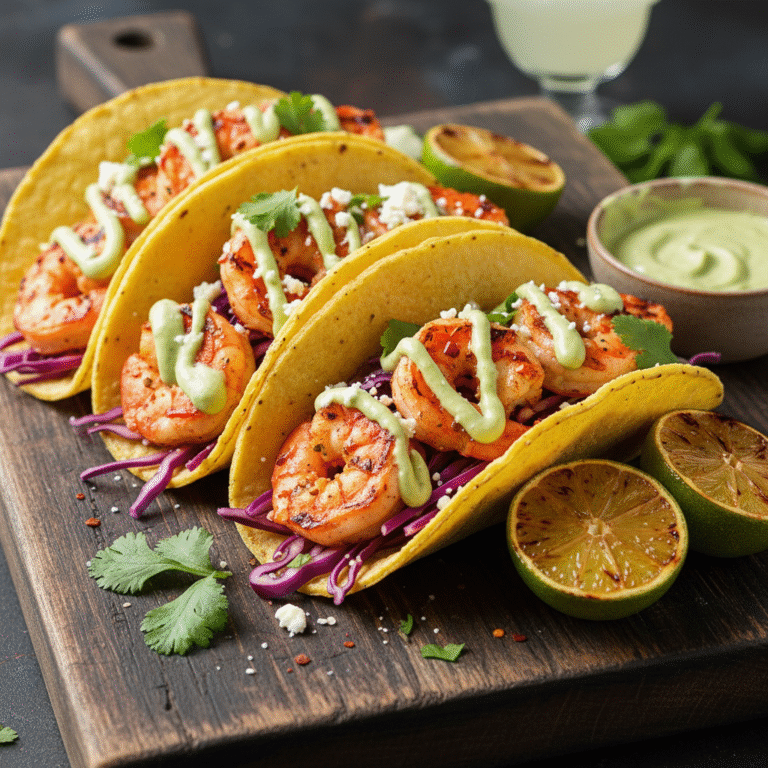
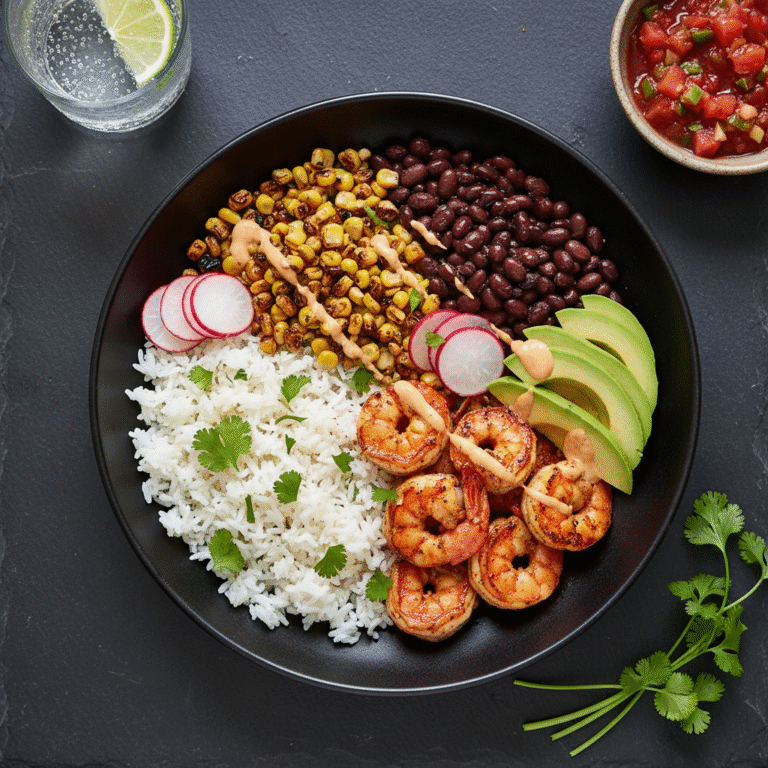
The classic way to serve these is with warm flour or corn tortillas, allowing everyone to build their own tacos. However, the possibilities are endless. For a low-carb or Keto option, serve the mixture over cauliflower rice or inside large romaine lettuce leaves for lettuce wraps. It makes a fantastic ‘burrito bowl’ base served over cilantro-lime rice with black beans and corn. Essential toppings include fresh guacamole or sliced avocado, pico de gallo, sour cream (or Greek yogurt for a lighter option), and extra lime wedges. A side of Mexican street corn (elote) or a crisp cucumber salad pairs perfectly with the spicy richness of the fajitas.
Storage and Reheating Tips
Leftovers store surprisingly well, making this a great meal prep option. Store the shrimp and vegetable mixture in an airtight container in the refrigerator for up to 3 days. When reheating, be very gentle to avoid rubbery shrimp. The microwave works, but short intervals at 50% power are best. Alternatively, reheat quickly in a hot skillet just until warm. We do not recommend freezing this dish once cooked; the bell peppers tend to become mushy and release too much water upon thawing, and the shrimp texture can degrade. If you want to prep ahead for the freezer, mix the raw shrimp with the spices and freeze them raw, and freeze the sliced raw veggies separately.
Nutrition Facts (Estimated)
| Serving Size | 1 cup |
| Calories | 280 |
| Fat | 12g |
| Saturated Fat | 2g |
| Unsaturated Fat | 9g |
| Trans Fat | 0g |
| Cholesterol | 180mg |
| Sodium | 650mg |
| Carbohydrates | 14g |
| Fiber | 3g |
| Sugar | 4g |
| Protein | 28g |
Frequently Asked Questions
Can I use frozen shrimp for this recipe?
Yes, absolutely. Just make sure to thaw them completely overnight in the refrigerator or under cold running water. It is vital to pat them very dry with paper towels before cooking to ensure they sear properly.
Should I leave the tails on the shrimp?
It is a matter of personal preference. Leaving the tails on makes for a prettier presentation, which is great for guests. However, removing the tails before cooking makes the fajitas much easier to eat, especially if you are putting them inside tacos.
Is this recipe spicy?
As written, it has a mild to medium kick from the chili powder. If you are sensitive to spice, omit the cayenne pepper entirely. If you love heat, increase the cayenne or add sliced jalapeños to the veggie mix.
Can I make this on a sheet pan instead?
Yes! Toss everything with oil and spices and spread on a baking sheet. Roast at 400°F (200°C) for about 8-10 minutes. However, you won’t get the same level of char as you do with the cast-iron skillet method.
What size shrimp should I buy?
Large or Jumbo shrimp (21-25 count per pound) are best for fajitas. They are meaty enough to stand up to the high heat without drying out instantly and provide a satisfying bite.
My skillet isn’t cast iron, can I still make this?
Yes, a heavy-bottomed stainless steel pan or a high-quality non-stick pan will work. You might just need to cook on slightly higher heat to get a good sear, but be careful not to burn the oil.
Can I marinate the shrimp ahead of time?
You can toss the shrimp in the dry spices up to 24 hours in advance. However, do not add the lime juice until after cooking. Acid breaks down shrimp protein and can make it mushy if left too long.
Is this recipe gluten-free?
The filling is naturally gluten-free. Just be sure to serve it with corn tortillas or gluten-free flour tortillas, and check your spice blends if you aren’t mixing them yourself to ensure no anti-caking agents contain gluten.
Conclusion
There you have it—a restaurant-quality Shrimp Fajita Skillet that is as easy to make as it is delicious to eat. This recipe proves that you don’t need hours in the kitchen to create a meal that feels special and celebratory. The combination of juicy, spiced shrimp and sweet, charred peppers is a timeless classic for a reason. Whether you are hosting a dinner party or just trying to survive a hectic Tuesday, this dish is sure to become a favorite in your household. Don’t forget to snap a picture of your sizzling creation and tag us on Instagram or pin this recipe to your ‘Healthy Weeknight Dinners’ board on Pinterest!