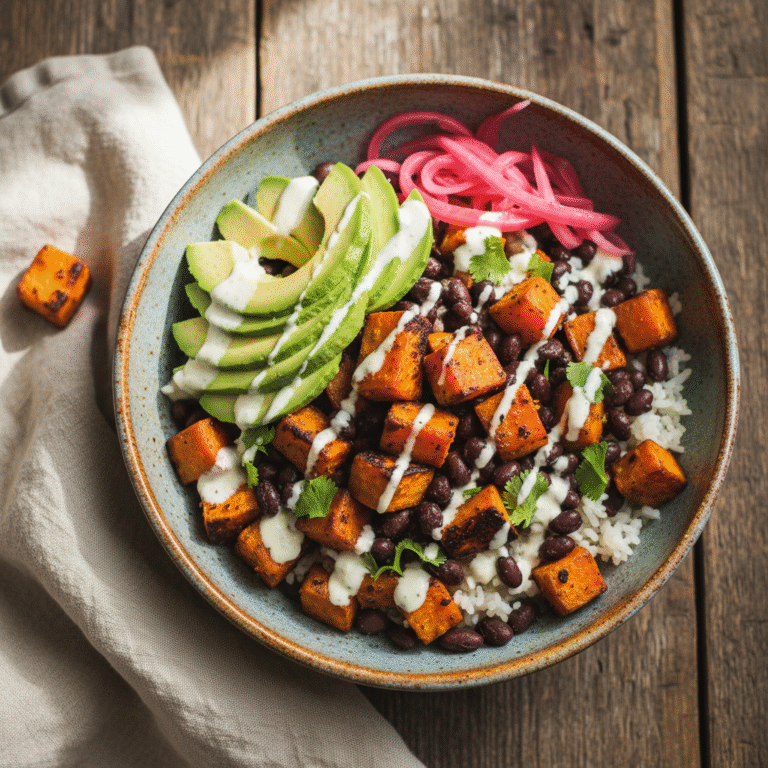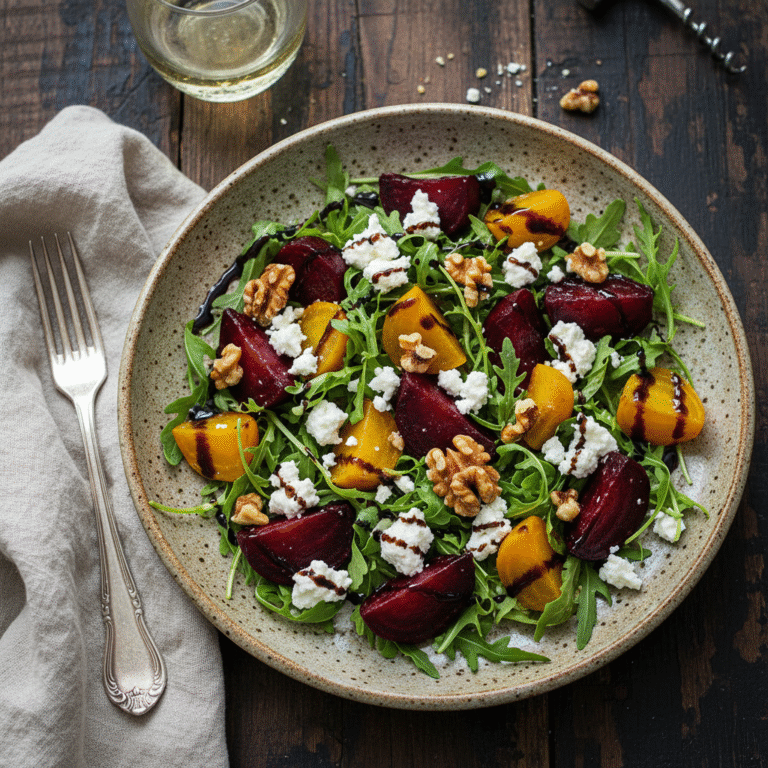
Spinach Pear Walnut Salad with Goat Cheese & Honey Balsamic Vinaigrette
Spinach Pear Walnut Salad With Goat Cheese Recipe
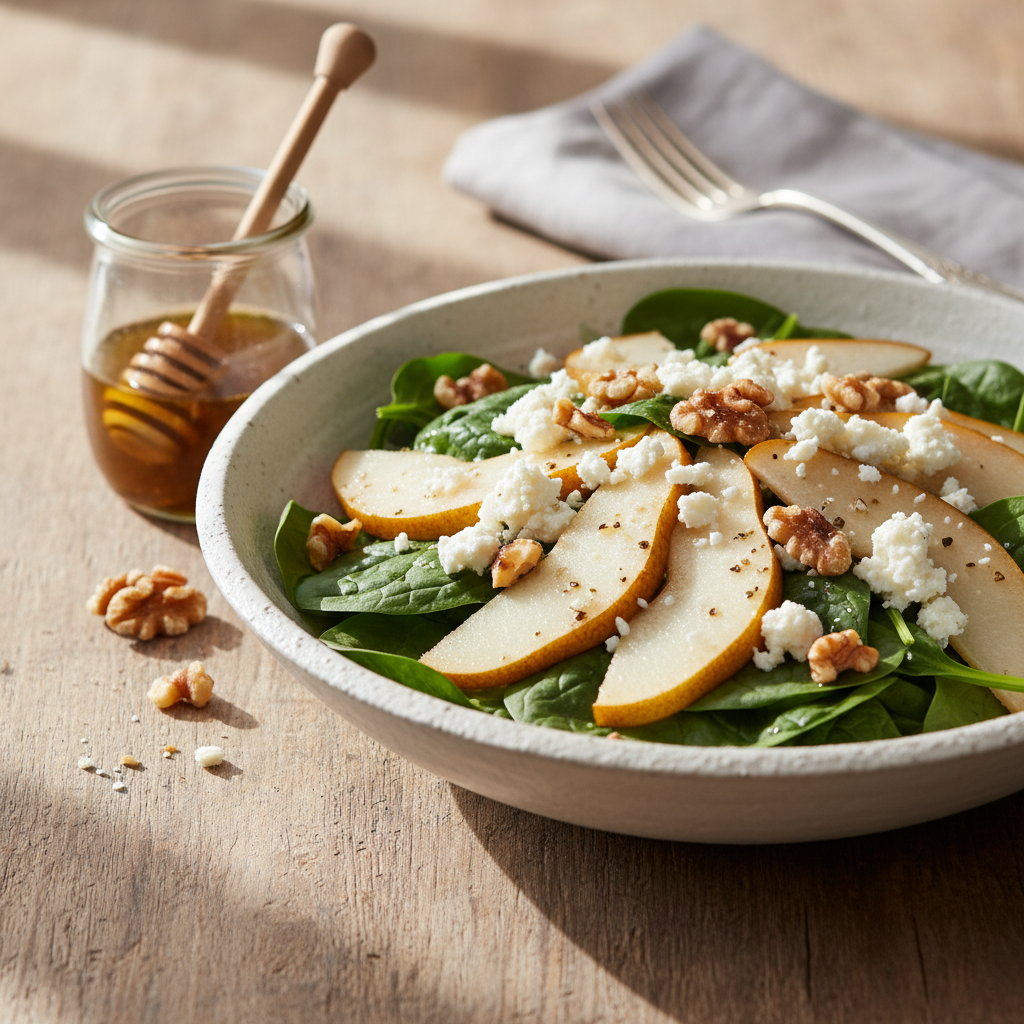
This elegant Spinach Pear Walnut Salad is the ultimate balance of sweet and savory flavors. Featuring crisp pears, creamy goat cheese, and crunchy toasted walnuts tossed in a homemade honey balsamic dressing, it is perfect for holiday tables or a light, nutritious lunch.
15 minutes
5 minutes
20 minutes
4 servings
Salad
No-Cook / Assembly
American / French-Inspired
Vegetarian
There is something undeniably sophisticated yet wonderfully simple about a well-composed salad that balances texture and taste with precision. This Spinach Pear Walnut Salad with Goat Cheese is a celebration of that balance. Imagine the tender, earthy bite of fresh baby spinach leaves providing a verdant bed for thin, elegant slices of ripe Bosc pears. The pears offer a juicy, floral sweetness that immediately cuts through the rich, tangy creaminess of crumbled goat cheese. But a salad is nothing without crunch, and here, the toasted walnuts step in to provide a nutty, buttery depth that grounds the lighter elements. To tie it all together, we use a homemade honey balsamic vinaigrette that emulsifies into a glossy, sweet-and-tart dressing, coating every leaf without weighing it down. This dish transcends the typical ‘side salad’ status, easily becoming the star of a luncheon or a vibrant accompaniment to a heavy holiday roast. It is a recipe that speaks to the seasons, particularly the transition from late summer to autumn, where the harvest brings us robust greens and orchard-fresh fruits. Whether you are looking to impress guests at a dinner party or simply want to elevate your weekday meal prep, this salad delivers a gourmet experience with minimal effort. It is fresh, it is vibrant, and it hits every single taste bud—sweet, salty, sour, bitter, and umami—in every single forkful.
History & Origins
The practice of combining fruit, nuts, and cheese with greens is a culinary tradition that dates back centuries, though its modern iteration owes much to the evolution of ‘California Cuisine’ in the 1970s and 80s. Historically, salads in medieval Europe often included herbs, flowers, and occasionally fruits, but the specific pairing of pears and walnuts has roots in French gastronomy, where the cheese course often bridged the gap between savory and sweet. The specific popularity of warm goat cheese salads, or ‘Salade de Chèvre Chaud,’ exploded in French bistros in the 1980s. As American palates expanded during the farm-to-table movement spearheaded by chefs like Alice Waters, the introduction of mesclun mixes and baby spinach replaced the ubiquitous iceberg lettuce. This era saw a surge in the popularity of goat cheese (chevre) in the United States, moving it from an exotic specialty item to a grocery store staple. The 1990s solidified the ‘fruit and nut’ salad as a mainstay on American menus, often featuring dried cranberries or fresh apples. However, the pear variation gained distinct favor for its subtler, more buttery texture which pairs exceptionally well with the acidity of balsamic vinegar—an ingredient that also saw a massive rise in popularity during the same period. Today, this salad is considered a modern classic, a staple of bridal showers, holiday spreads, and bistro menus, representing a perfect marriage of Old World flavor profiles with New World freshness.
Why This Recipe Works
This recipe works because it is a masterclass in flavor and texture contrasting, also known as the ‘flavor layering’ technique. Culinary satisfaction comes from stimulating multiple senses simultaneously. First, let’s talk about texture: you have the soft, yielding bite of the spinach, the crisp, juicy snap of the raw pear, the creamy, melt-in-your-mouth consistency of the goat cheese, and the hard, brittle crunch of the toasted walnuts. This variety keeps the palate engaged. Second, the flavor profile hits all five primary tastes. The pears and honey provide sweetness; the goat cheese contributes saltiness and a distinct tang; the spinach offers a mild bitterness; the balsamic vinegar adds sour acidity; and the walnuts provide a savory, fatty umami undertone. The dressing is the bridge that connects them. Balsamic vinegar has a natural affinity for fruit, enhancing the pear’s sweetness while cutting through the fat of the cheese and nuts. Furthermore, toasting the walnuts releases their essential oils, making them more aromatic and flavorful than raw nuts. This recipe avoids the common pitfall of bland salads by ensuring every ingredient is seasoned and that the ratio of ‘goodies’ (nuts, cheese, fruit) to greens is generous.
Why You’ll Love This Recipe
- ✓Ready in under 20 minutes with no cooking required other than toasting nuts.
- ✓Perfect balance of sweet pears, tangy cheese, and crunchy walnuts.
- ✓High in fiber, antioxidants, and healthy fats.
- ✓Versatile dressing that doubles as a marinade for chicken.
- ✓Elegant presentation suitable for holidays like Thanksgiving or Christmas.
- ✓Easily customizable with different nuts or fruits.
Equipment You’ll Need
- ✓Large salad bowl
- ✓Small skillet (for toasting nuts)
- ✓Whisk
- ✓Small jar or bowl (for dressing)
- ✓Chef’s knife
- ✓Cutting board
Ingredients
- ✓8 cups fresh baby spinach, washed and dried
- ✓2 ripe pears (Bosc or Bartlett), cored and thinly sliced
- ✓1/2 cup walnut halves
- ✓4 oz soft goat cheese (chevre), crumbled
- ✓1/4 cup red onion, very thinly sliced
- ✓1/3 cup extra virgin olive oil
- ✓2 tablespoons balsamic vinegar
- ✓1 tablespoon honey or maple syrup
- ✓1 teaspoon Dijon mustard
- ✓Salt and freshly cracked black pepper to taste
Instructions
- Step 1: Toast the walnuts. Place the walnut halves in a small dry skillet over medium heat. Toast them for 3-5 minutes, tossing frequently, until they are fragrant and slightly darkened. Be careful not to burn them. Remove from heat and let them cool completely.
- Step 2: Prepare the dressing. In a small bowl or mason jar, combine the olive oil, balsamic vinegar, honey, Dijon mustard, a pinch of salt, and freshly cracked black pepper. Whisk vigorously or shake the jar until the dressing is fully emulsified and creamy.
- Step 3: Prepare the salad base. In a large serving bowl, place the baby spinach. If the red onion flavor is too strong for your liking, you can soak the sliced onions in ice water for 10 minutes, then drain and pat dry before adding to the salad.
- Step 4: Assemble the toppings. Arrange the sliced pears, cooled toasted walnuts, and red onion slices over the bed of spinach.
- Step 5: Add the cheese. Gently crumble the goat cheese over the top of the salad using a fork or your fingers. Keep the crumbles relatively large for better texture.
- Step 6: Dress and serve. Just before serving, drizzle the dressing over the salad. Toss gently to coat everything evenly. Alternatively, serve the dressing on the side to keep the spinach crisp.
Expert Cooking Tips
- ✓Always toast your nuts; raw walnuts can be waxy and bitter, while toasting brings out a buttery flavor.
- ✓Use a mandoline slicer for the red onions to get them paper-thin so they don’t overpower the bite.
- ✓If you are not serving immediately, toss the pear slices in a little lemon juice to prevent them from browning.
- ✓Ensure your spinach is completely dry; wet spinach will repel the oil-based dressing and make the salad soggy.
- ✓For the best flavor, take the goat cheese out of the fridge 15 minutes before serving to soften it slightly.
- ✓Emulsify the dressing properly; the Dijon mustard acts as a stabilizer to keep the oil and vinegar mixed.
Substitutions and Variations
This salad is incredibly flexible. If you aren’t a fan of spinach, mixed greens, arugula, or massaged kale work beautifully as a base. For the fruit, apples (like Honeycrisp or Fuji) are a classic 1:1 substitute for pears, but fresh figs or strawberries also work in season. If walnuts aren’t your favorite, try pecans (candied pecans are a sweet treat!), almonds, or pistachios. For those who find goat cheese too pungent, Feta cheese offers a similar salty kick but with a firmer texture, while Gorgonzola or Blue Cheese adds a stronger, sharper bite. If you need a vegan version, simply swap the goat cheese for a high-quality vegan feta and use maple syrup instead of honey in the dressing. You can also add protein like grilled chicken breast or roasted chickpeas to turn this side dish into a full meal.
Common Mistakes to Avoid
The most common mistake is overdressing the salad. Spinach is delicate and wilts easily under the weight of heavy oil and vinegar. Start with half the dressing and add more only if needed. Another error is using under-ripe pears; hard, crunchy pears lack the sweetness and juice needed to contrast the cheese. Conversely, over-ripe pears will turn to mush when tossed. Look for pears that yield slightly to pressure near the stem. Finally, adding hot toasted walnuts directly to the salad will wilt the greens and melt the cheese prematurely; always ensure the nuts have cooled to room temperature before assembly.
Serving Suggestions
This salad is a versatile chameleon. It pairs exceptionally well with roasted meats, making it a perfect side for a Sunday roast chicken, Thanksgiving turkey, or a glazed ham. It also cuts through the richness of creamy pasta dishes like Fettuccine Alfredo or a heavy lasagna. For a light lunch, serve it topped with grilled shrimp or salmon. Pair it with a crisp white wine, such as a Sauvignon Blanc or a Pinot Grigio, which complements the acidity of the goat cheese and the vinaigrette.
Storage and Reheating Tips
Once dressed, this salad does not store well as the spinach will become soggy and the pears may brown. It is best eaten fresh. However, you can prep the components in advance. Store the dressing in a sealed jar in the fridge for up to a week. Keep the spinach, cheese, and onions in separate containers. The toasted walnuts can be kept in an airtight container at room temperature. If you have leftover dressed salad, it should be eaten within 24 hours, though the texture will not be optimal.
Nutrition Facts (Estimated)
| Serving Size | 1 bowl (approx 2 cups) |
| Calories | 340 |
| Fat | 24g |
| Saturated Fat | 6g |
| Unsaturated Fat | 17g |
| Trans Fat | 0g |
| Cholesterol | 15mg |
| Sodium | 280mg |
| Carbohydrates | 22g |
| Fiber | 5g |
| Sugar | 14g |
| Protein | 9g |
Frequently Asked Questions
Can I make this salad ahead of time?
Yes, you can prep all the ingredients ahead of time. Keep the dressing in a jar, the nuts in a bag, and the veggies in the fridge. Do not toss the salad with dressing until just before serving to keep it crisp.
How do I keep the pears from turning brown?
Oxidation causes browning. To prevent this, toss your sliced pears in a mixture of 1 tablespoon lemon juice and 1/2 cup water, then drain them well before adding to the salad.
Is this salad gluten-free?
Yes, all the ingredients listed are naturally gluten-free. However, always check the label on your Dijon mustard and balsamic vinegar to ensure they were processed in a gluten-free facility.
What is the best type of pear for this salad?
Bosc and Anjou pears are excellent because they hold their shape well when sliced. Bartlett pears are delicious and sweet but can get mushy if they are very ripe.
Can I use candied walnuts instead of plain toasted ones?
Absolutely! Candied walnuts or pecans add an extra layer of sweetness and crunch that many people love. Just be mindful that this will increase the sugar content.
My dressing separated, what do I do?
This is normal for vinaigrettes. Just give it a vigorous whisk or shake firmly in the jar right before pouring. The mustard helps keep it emulsified longer.
Is goat cheese healthy?
Goat cheese is lower in calories and fat than cow’s milk cheese. It also contains A2 casein, which may be less inflammatory and easier to digest for some people.
Can I add meat to this recipe?
Yes, sliced grilled chicken breast, prosciutto, or even leftover Thanksgiving turkey make excellent protein additions to turn this into a main course.
Conclusion
The Spinach Pear Walnut Salad with Goat Cheese is more than just a bowl of greens; it is a curated experience of textures and flavors that elevates any meal it accompanies. From the earthy crunch of the walnuts to the creamy tang of the goat cheese and the sweet burst of ripe pears, every bite offers something delightful. It is the kind of recipe that proves healthy eating doesn’t have to be boring or complicated. Whether you are preparing a festive holiday dinner or a quick weekday lunch, this salad promises to deliver freshness and elegance in equal measure. Give it a try, and it might just become your new go-to way to eat your greens.