The Ultimate Healthy Turkey and Vegetable Stuffed Bell Peppers
Turkey And Vegetable Stuffed Bell Pepper Healthy Recipe
Discover the perfect weeknight dinner with these vibrant, nutrient-packed turkey and vegetable stuffed peppers. Bursting with savory flavors, lean protein, and colorful veggies, this easy-to-make recipe offers a guilt-free comfort food experience that the whole family will love.
20 minutes
35 minutes
55 minutes
4 servings
Main Course
Baking
American / Mediterranean Fusion
Gluten-Free
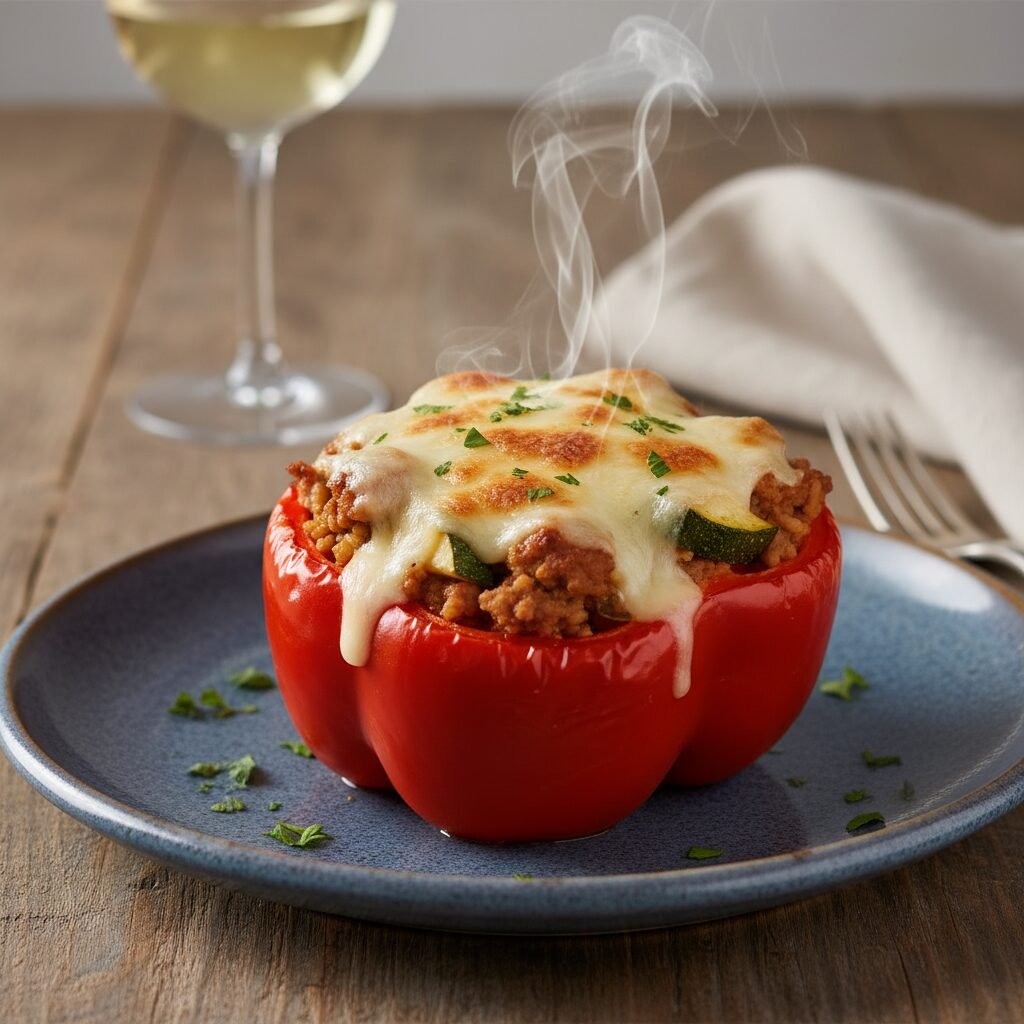
If you are looking for a meal that perfectly balances wholesome nutrition with indulgent comfort, look no further than these Turkey and Vegetable Stuffed Bell Peppers. In the world of healthy eating, it can often feel like a chore to find dishes that satisfy that craving for something hearty and savory without loading up on excess calories or heavy fats. This recipe is the ultimate solution, transforming the humble bell pepper into a dazzling vessel of flavor. We start with crisp, sweet bell peppers—red, yellow, and orange for a stunning visual presentation—and fill them to the brim with a robust mixture of lean ground turkey, aromatic herbs, and a medley of garden-fresh vegetables like zucchini, corn, and spinach.
The magic of this dish lies in its versatility and its ability to absorb flavors. As the peppers bake, they soften just enough to become tender while retaining their structural integrity, releasing their natural sweetness which complements the savory turkey filling beautifully. Unlike traditional stuffed peppers that can sometimes feel heavy with ground beef and excessive rice, this version lightens things up without sacrificing satisfaction. The turkey provides a high-protein base that is lower in saturated fat, while the addition of extra vegetables adds fiber and texture. Topped with a sprinkling of melted cheese that bubbles to golden perfection, these peppers are a feast for the eyes and the palate. Whether you are meal-prepping for a busy week or hosting a casual dinner party, this dish is a crowd-pleaser that proves healthy eating doesn’t have to be boring. It’s a celebration of fresh ingredients coming together to create a warm, comforting meal that feels like a hug on a plate.
History & Origins
The concept of stuffing vegetables is an ancient culinary tradition that spans across continents and cultures, deeply rooted in the history of utilizing seasonal produce to extend meat rations and create filling meals. While the specific origins of the modern American stuffed pepper are a bit of a melting pot, the technique can be traced back to the ‘dolma’ of Middle Eastern cuisine. The word ‘dolma’ itself comes from the Turkish verb ‘doldurmak’, meaning ‘to fill’. Historically, grape leaves, onions, zucchini, and eggplants were hollowed out and stuffed with mixtures of rice, meat, and spices. As the Ottoman Empire expanded, so did this culinary technique, influencing the cuisines of the Balkans, the Mediterranean, and eventually Western Europe.
In Spain, ‘pimientos rellenos’ became a popular dish, utilizing the peppers brought back from the Americas. Spanish cooks would stuff local peppers with manchego cheese, chicken, or cod. As European immigrants moved to the United States in the 19th and 20th centuries, they brought these traditions with them. In America, the large, sweet bell pepper became the vessel of choice due to its availability and ideal shape for stuffing. During the mid-20th century, stuffed peppers became a staple of American home cooking, often featuring a mix of ground beef, white rice, and tomato sauce—a hearty, economical meal for growing families. Over the decades, the recipe has evolved to reflect changing dietary trends. Today, the shift towards health-conscious eating has popularized versions like this one, which swaps heavier red meats for lean turkey and incorporates a wider variety of vegetables, honoring the ancient tradition of stuffed vegetables while adapting to modern nutritional needs.
Why This Recipe Works
This recipe succeeds where many other stuffed pepper recipes fail because it meticulously addresses texture and flavor balance. A common complaint with stuffed peppers is that the pepper itself remains too crunchy while the filling is overcooked, or conversely, the pepper becomes a soggy mess. To combat this, we employ a technique of par-baking the empty peppers for a few minutes before stuffing them. This head-start ensures that the peppers reach that perfect ‘tender-crisp’ state by the time the cheese on top is melted and bubbly.
Furthermore, the flavor profile is built in layers. We don’t just mix raw meat with spices and hope for the best. We sauté the aromatics—onions, garlic, and spices—before adding the turkey, allowing the flavors to bloom and deepen. By cooking the turkey with the vegetables before stuffing, we ensure that the filling is not only safe to eat but also that the excess moisture from the vegetables evaporates in the pan, rather than pooling at the bottom of the pepper. The addition of a small amount of tomato sauce and chicken broth to the filling keeps the turkey moist, preventing the dryness often associated with lean poultry. Finally, the ratio of meat to vegetables and grains is optimized to ensure every bite is packed with nutrition and flavor, making this recipe a foolproof method for delicious results every time.
Why You’ll Love This Recipe
- ✓High in protein and low in carbs
- ✓Packed with colorful, nutrient-dense vegetables
- ✓Perfect for meal prep and freezes beautifully
- ✓Customizable filling to suit picky eaters
- ✓Gluten-free friendly
- ✓Ready in under an hour
Equipment You’ll Need
- ✓Large baking dish (9×13 inch)
- ✓Large skillet or sauté pan
- ✓Chef’s knife
- ✓Cutting board
- ✓Mixing spoon
- ✓Measuring cups and spoons
- ✓Aluminum foil
Ingredients
- ✓4 large bell peppers (any color, tops cut off and seeds removed)
- ✓1 lb (450g) lean ground turkey (93% lean preferred)
- ✓1 tablespoon olive oil
- ✓1 small yellow onion, diced
- ✓2 cloves garlic, minced
- ✓1 medium zucchini, diced small
- ✓1 cup cooked brown rice or quinoa
- ✓1 cup spinach, chopped
- ✓1 can (14.5 oz) diced tomatoes, drained
- ✓1 teaspoon Italian seasoning
- ✓1/2 teaspoon smoked paprika
- ✓Salt and black pepper to taste
- ✓1/2 cup low-sodium chicken broth or vegetable broth
- ✓1 cup shredded mozzarella or cheddar cheese
- ✓Fresh parsley or basil for garnish
Instructions
- Preheat your oven to 375°F (190°C). Lightly grease a 9×13 inch baking dish with olive oil or non-stick spray.
- Prepare the peppers by slicing off the tops and removing the seeds and white membranes. If the peppers don’t stand up straight, slightly trim the bottoms, being careful not to cut a hole through to the inside.
- Place the hollowed-out peppers in the baking dish and bake them empty for 10 minutes. This par-baking step ensures they become tender. Remove from oven and set aside.
- While the peppers are par-baking, heat the olive oil in a large skillet over medium-high heat.
- Add the diced onion and cook for 3-4 minutes until softened and translucent. Add the minced garlic and cook for another minute until fragrant.
- Add the ground turkey to the skillet. Break it apart with a spoon and cook until browned and no longer pink, about 5-7 minutes.
- Stir in the diced zucchini, Italian seasoning, smoked paprika, salt, and pepper. Cook for another 3-4 minutes until the zucchini begins to soften.
- Reduce heat to low. Stir in the cooked brown rice (or quinoa), chopped spinach, drained diced tomatoes, and chicken broth. Simmer for 2-3 minutes until the spinach is wilted and the liquid has mostly absorbed but the mixture is still moist.
- Taste the filling and adjust seasoning with more salt or pepper if needed.
- Generously stuff each par-baked bell pepper with the turkey and vegetable mixture, pressing down gently to fill them completely.
- Pour a small amount of water (about 2-3 tablespoons) into the bottom of the baking dish to create steam.
- Cover the baking dish tightly with aluminum foil and bake for 20 minutes.
- Remove the foil, sprinkle the shredded cheese evenly over the tops of the peppers, and bake uncovered for another 5-10 minutes, or until the cheese is melted and bubbly.
- Remove from the oven and let cool for 5 minutes. Garnish with fresh parsley or basil before serving.
Expert Cooking Tips
- ✓Choose peppers with four lobes on the bottom; they stand up better in the baking dish.
- ✓If you want a lower carb option, substitute the brown rice with cauliflower rice.
- ✓Don’t skip the par-baking step for the peppers, or they may end up too crunchy.
- ✓Drain the canned tomatoes well to prevent the filling from becoming too watery.
- ✓Use a meat thermometer to ensure the internal temperature of the stuffing reaches 165°F (74°C).
- ✓Leftover filling makes a great lunch bowl on its own!
Substitutions and Variations
This recipe is incredibly flexible, allowing you to swap ingredients based on dietary needs or what you have in your pantry. If you don’t have ground turkey, lean ground beef, ground chicken, or even Italian sausage works wonderfully, though the calorie count will vary. For a vegetarian or vegan version, omit the meat entirely and increase the amount of beans (like black beans or cannellini beans) or use a plant-based meat crumble. The grains are also interchangeable; while brown rice adds a nutty flavor and fiber, white rice, quinoa, farro, or barley are excellent substitutes. If you are watching your carb intake, cauliflower rice is a perfect swap. Vegetable-wise, feel free to use diced mushrooms, corn kernels, carrots, or kale instead of zucchini and spinach. For the cheese, Monterey Jack, Pepper Jack for a kick, or even a sprinkle of feta or parmesan can provide a different flavor profile. Lastly, if you don’t have Italian seasoning, a mix of dried oregano, basil, and thyme will do the trick.
Common Mistakes to Avoid
One of the most common mistakes when making stuffed peppers is not seasoning the inside of the pepper itself. Before stuffing, lightly sprinkle a pinch of salt into the cavity of each pepper to ensure every layer is flavorful. Another error is overcooking the rice before adding it to the mixture; since it will bake again inside the pepper, use rice that is just cooked or slightly al dente to avoid a mushy texture. Many home cooks also forget to add liquid to the bottom of the baking dish. This small amount of water creates steam, which helps the peppers cook evenly and prevents them from burning or drying out on the bottom. Finally, avoid overstuffing the peppers too densely. Packing the filling too tight can result in the center not heating through properly while the outside gets overcooked. Fill them generously but leave a little room for the heat to circulate.
Serving Suggestions
These Turkey and Vegetable Stuffed Peppers are a complete meal on their own, containing protein, vegetables, and carbs. However, they pair beautifully with a crisp, green side salad dressed with a light lemon vinaigrette to cut through the richness of the melted cheese. Roasted garlic mashed potatoes or a side of crusty garlic bread are excellent for soaking up any delicious juices left on the plate. For a lighter accompaniment, steamed green beans or roasted asparagus work well. If you want to add a fresh element, top the finished peppers with a dollop of Greek yogurt or sour cream and some sliced avocado just before serving.
Storage and Reheating Tips
These stuffed peppers store exceptionally well, making them a prime candidate for meal prep. Store leftovers in an airtight container in the refrigerator for up to 3-4 days. To reheat, place them in a microwave-safe dish, cover loosely, and heat on high for 2-3 minutes until heated through. Alternatively, you can reheat them in the oven at 350°F for 15-20 minutes. For freezing, allow the cooked peppers to cool completely, then wrap each one individually in plastic wrap and then foil, or place them in a freezer-safe container. They can be frozen for up to 3 months. To eat, thaw overnight in the refrigerator and reheat as directed. If reheating from frozen, bake covered at 350°F for about 45-60 minutes.
Nutrition Facts (Estimated)
| Serving Size | 1 Stuffed Pepper |
| Calories | 320 |
| Fat | 12g |
| Saturated Fat | 4g |
| Unsaturated Fat | 7g |
| Trans Fat | 0g |
| Cholesterol | 75mg |
| Sodium | 480mg |
| Carbohydrates | 22g |
| Fiber | 5g |
| Sugar | 6g |
| Protein | 30g |
Frequently Asked Questions
Do I have to boil the peppers before stuffing them?
You don’t have to boil them, but pre-cooking is recommended. We prefer par-baking them for 10 minutes as described in the recipe, as boiling can sometimes make them waterlogged. This ensures the peppers are tender when the filling is done.
Can I use raw turkey in the stuffing?
It is safer and tastier to cook the turkey before stuffing. Cooking the meat first allows you to drain excess fat and ensures the filling is seasoned properly. Using raw meat would require a much longer baking time, likely resulting in burnt peppers.
Can I make these ahead of time?
Absolutely! You can prepare the peppers and the filling, stuff them, and store them covered in the fridge for up to 24 hours before baking. You may need to add 5-10 minutes to the baking time if they are cold from the fridge.
Why represent my stuffed peppers watery?
Watery peppers usually result from vegetables releasing moisture during baking. To prevent this, make sure to sauté high-water veggies like zucchini and onions first, and drain your canned tomatoes thoroughly. Also, avoid over-boiling peppers if you choose that method.
Is this recipe keto-friendly?
As written, it contains brown rice which is not keto. However, you can easily make it keto-friendly by swapping the rice for cauliflower rice and ensuring your tomato sauce has no added sugar.
What is the best color pepper to use?
It depends on your taste preference. Red, orange, and yellow peppers are sweeter and generally preferred for this dish. Green peppers are less ripe and have a slightly more bitter, grassy flavor, but hold their shape very well.
Can I use uncooked rice in the filling?
It is not recommended to use completely raw rice as there isn’t enough liquid inside the pepper to cook it thoroughly. Always use pre-cooked or par-cooked rice for the best texture.
How do I keep the peppers from falling over?
Select peppers with flat bottoms (usually 4 bumps/lobes). If they are wobbly, slice a very thin layer off the bottom to create a flat surface, being careful not to cut into the cavity.
Conclusion
Turkey and Vegetable Stuffed Bell Peppers are more than just a healthy recipe; they are a testament to how delicious wholesome food can be. With their vibrant colors, robust flavors, and satisfying textures, they turn a simple weeknight dinner into a special occasion. By combining lean protein with a rainbow of vegetables and wholesome grains, you are treating your body to a nutrient-packed meal without compromising on taste. Whether you are a seasoned chef or a beginner in the kitchen, this recipe is forgiving, flexible, and guaranteed to impress. So grab those peppers, fire up the oven, and enjoy a meal that nourishes both the body and the soul.