Veggie Loaded Fried Rice With Eggs Healthy Recipe
Veggie Loaded Fried Rice With Eggs Healthy Recipe
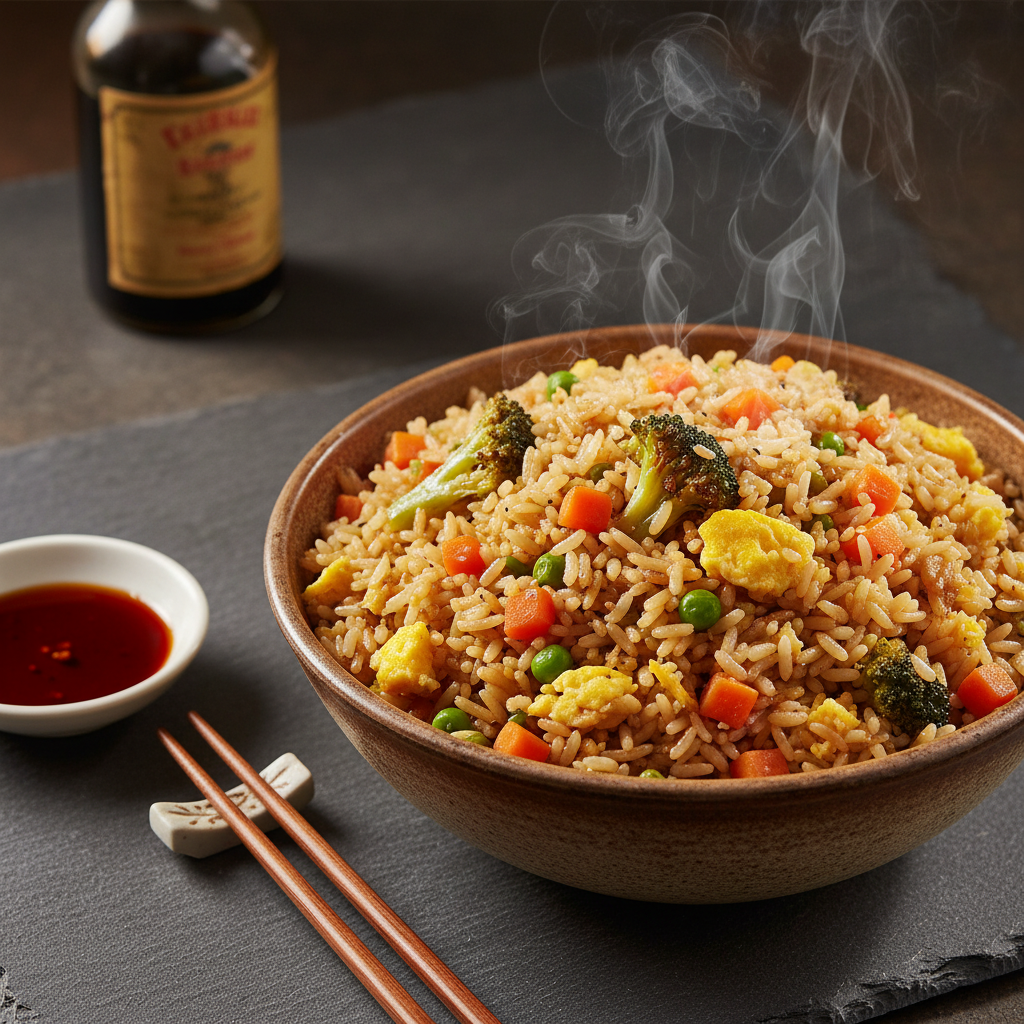
Transform your leftover rice into a vibrant, nutrient-packed meal in just 20 minutes. This Better-Than-Takeout Veggie Loaded Fried Rice is bursting with colorful vegetables and fluffy eggs, making it the perfect healthy weeknight dinner.
15 minutes
15 minutes
30 minutes
4 servings
Main Course
Stovetop / Stir-Fry
Asian-Inspired
Vegetarian
There is something undeniably comforting about a steaming bowl of fried rice, but all too often, the takeout versions are heavy on oil, sodium, and empty carbohydrates, leaving us feeling sluggish rather than satisfied. Enter this Veggie Loaded Fried Rice with Eggs—a recipe designed to flip the script on the classic comfort food. By shifting the ratio to include a generous 50/50 split of vegetables to rice, we create a dish that retains all the savory, umami-packed satisfaction of the original while injecting a massive dose of fiber, vitamins, and textures. This dish is the ultimate ‘fridge clean-out’ hero; it is forgiving, flexible, and fast. The magic lies in the high-heat searing of the vegetables, which caramelizes their edges while keeping them crisp-tender, contrasting beautifully with the soft, fluffy curds of scrambled egg and the chewy grains of rice. We rely on aromatics like fresh ginger and garlic to build a flavor foundation that doesn’t require excessive amounts of heavy sauces. Whether you are looking for a quick post-work dinner, a meal-prep solution that reheats beautifully, or a stealthy way to get picky eaters to consume more greens, this recipe checks every single box. It is light enough to not weigh you down but hearty enough to stand alone as a complete meal.
History & Origins
Fried rice is a dish with a lineage that stretches back over a thousand years, originating in China during the Sui Dynasty (589–618 AD). It was born out of a cultural ethos of frugality and respect for food—specifically, the taboo against wasting rice. In Southern China, where rice was the staple grain, leftover steamed rice from the evening before would dry out overnight. Cooks discovered that this slightly dehydrated, clumping rice was perfect for stir-frying, as the grains would separate easily when hit with hot oil and tossed with whatever scraps of meat, vegetables, or egg were on hand. The most famous iteration, Yangzhou Fried Rice, set the standard with its delicate balance of ingredients and meticulous knife work. As Chinese immigrants moved across the globe, they brought this technique with them, adapting it to local ingredients and palates. In the United States, fried rice became a cornerstone of Chinese-American cuisine, often evolving into a darker, soy-heavy side dish. However, in recent decades, there has been a culinary shift back towards the dish’s roots but with a modern wellness twist. The ‘Veggie Loaded’ concept reflects the contemporary desire for plant-forward eating, moving vegetables from a garnish to the main event, transforming a dish historically defined by grain preservation into one defined by nutritional abundance.
Why This Recipe Works
The success of this recipe hinges on moisture control and texture management. Freshly cooked rice is full of steam and moisture; if you try to fry it immediately, it releases that water into the pan, resulting in a gummy, mushy paste rather than distinct, chewy grains. This is why using day-old, cold rice is the non-negotiable secret to restaurant-quality texture. The refrigeration process retrogrades the starch, firming up the grain structure so it can withstand the high heat of the wok without disintegrating. Furthermore, this recipe works because we cook the components in stages. By scrambling the eggs first and removing them, then searing the hard vegetables, and finally adding the rice, we ensure that every element is cooked to its specific point of perfection. If you threw everything in at once, the eggs would overcook and become rubbery before the carrots softened. Finally, the sauce blend utilizes sesame oil for aroma and soy sauce for depth, but keeps the liquid volume low to prevent steaming the rice. The result is a dish where each grain of rice is coated in flavor, not drowning in it.
Why You’ll Love This Recipe
- ✓Ready in under 30 minutes.
- ✓Uses 50% vegetables for a nutrient-dense meal.
- ✓Perfect way to use up leftover cold rice.
- ✓Highly customizable with whatever veggies you have.
- ✓Kid-friendly and great for meal prep.
Equipment You’ll Need
- ✓Large Wok or Non-stick Skillet
- ✓Chef’s Knife
- ✓Cutting Board
- ✓Spatula or Wooden Spoon
- ✓Small Mixing Bowl
Ingredients
- ✓3 cups cooked jasmine or white rice, cold and day-old
- ✓3 large eggs, beaten
- ✓1 tablespoon sesame oil
- ✓2 tablespoons vegetable or canola oil
- ✓1 onion, diced
- ✓2 carrots, peeled and diced small
- ✓1 red bell pepper, diced
- ✓1 cup broccoli florets, chopped small
- ✓1/2 cup frozen peas
- ✓1/2 cup corn kernels
- ✓3 cloves garlic, minced
- ✓1 tablespoon fresh ginger, grated
- ✓3 tablespoons low-sodium soy sauce
- ✓1 tablespoon oyster sauce (or vegetarian stir-fry sauce)
- ✓2 green onions, sliced for garnish
- ✓Salt and pepper to taste
Instructions
- Prepare your ingredients: Ensure all vegetables are chopped into uniform, small pieces. Break up the cold rice with your hands to remove any large clumps.
- Cook the eggs: Heat a wok or large skillet over medium-high heat. Add 1 teaspoon of oil. Pour in the beaten eggs and scramble quickly until just set but still soft. Remove eggs from the pan and set aside on a plate.
- Sauté aromatics and hard veggies: Wipe the pan clean if needed. Add the remaining oil to the pan over high heat. Add the onions and carrots. Stir-fry for 2-3 minutes until onions are translucent.
- Add softer veggies: Add the broccoli and bell pepper. Stir-fry for another 2 minutes. Then add the garlic and ginger, cooking for 30 seconds until fragrant (be careful not to burn the garlic).
- Fry the rice: Add the cold rice, peas, and corn to the pan. Spread the rice out and let it sit for 30 seconds to crisp up slightly, then toss. Repeat this spreading and tossing motion for 3-4 minutes.
- Season: Drizzle the soy sauce, sesame oil, and oyster sauce over the rice mixture. Toss vigorously to coat everything evenly.
- Combine: Add the cooked eggs back into the pan. Break them up slightly with your spatula and mix them into the rice.
- Finish: Taste and adjust seasoning with salt and pepper if needed. Remove from heat and garnish with sliced green onions before serving.
Expert Cooking Tips
- ✓Always use cold, day-old rice. If you must use fresh rice, spread it on a baking sheet and freeze it for 20 minutes to dry it out.
- ✓Prep all ingredients before you turn on the stove. Stir-frying happens fast!
- ✓Use a high smoke-point oil like canola, vegetable, or avocado oil for frying; save the sesame oil for finishing flavor.
- ✓Don’t overcrowd the pan; if your skillet is small, cook in two batches to ensure the rice fries rather than steams.
- ✓Cut all vegetables to a similar size, roughly the size of a pea or corn kernel, so they cook evenly and mix well with the rice.
Substitutions and Variations
This recipe is incredibly versatile. For the rice, you can substitute brown rice for more fiber, or use cauliflower rice for a low-carb keto version (just reduce cooking time as cauliflower releases more water). To make this gluten-free, swap the soy sauce for Tamari or coconut aminos and ensure your oyster sauce is a gluten-free variety. If you are vegan, simply omit the eggs or replace them with crumbled firm tofu seasoned with turmeric and black salt (kala namak) for an egg-like flavor, and use a mushroom-based vegetarian stir-fry sauce instead of oyster sauce. Vegetable swaps are endless: try zucchini, snap peas, baby corn, kale, or bok choy.
Common Mistakes to Avoid
The most common mistake is using warm, freshly cooked rice, which inevitably leads to a soggy, sticky mess. Another error is not getting the pan hot enough; you need high heat to generate the ‘wok hei’ flavor and crisp texture. Overloading the pan with sauce is another pitfall—fried rice should be relatively dry and fluffy, not saucy like a curry. Finally, burning the garlic is easy to do if you add it too early; always add garlic and ginger after the onions and harder vegetables have had a head start.
Serving Suggestions
Serve this veggie-loaded fried rice as a hearty main course on its own. For a larger feast, it pairs beautifully with vegetable spring rolls, steamed dumplings, or a side of cucumber salad with vinegar dressing. You can offer chili oil, Sriracha, or extra soy sauce on the side for individual customization. A sprinkle of toasted sesame seeds adds a nice crunch.
Storage and Reheating Tips
Store leftovers in an airtight container in the refrigerator for up to 3-4 days. To reheat, it is best to use a skillet over medium heat with a splash of water or oil to revive the texture. You can microwave it, but cover it with a damp paper towel to prevent the rice from drying out. This dish also freezes well; portion it into freezer-safe bags and freeze for up to 2 months. Thaw overnight in the fridge before reheating.
Nutrition Facts (Estimated)
| Serving Size | 1.5 cups |
| Calories | 340 |
| Fat | 12g |
| Saturated Fat | 2.5g |
| Unsaturated Fat | 8g |
| Trans Fat | 0g |
| Cholesterol | 140mg |
| Sodium | 580mg |
| Carbohydrates | 45g |
| Fiber | 6g |
| Sugar | 4g |
| Protein | 14g |
Frequently Asked Questions
Can I use basmati rice?
Yes, basmati rice works well because it is a long-grain rice that stays fluffy and separate. Jasmine is traditional for Thai style, and medium grain is common for Chinese style, but basmati is a great non-sticky option.
How do I add protein like chicken or shrimp?
Cook your protein (chicken, shrimp, beef, or tofu) first in the hot pan until fully cooked, remove it, and set it aside with the eggs. Add it back in at the very end to warm through.
Why is my fried rice mushy?
Mushy rice usually happens because the rice was too fresh and hot, or you overcrowded the pan causing the ingredients to steam instead of fry.
Can I use frozen mixed vegetables?
Absolutely. Frozen peas, carrots, and corn are classic additions. You can add them directly from frozen when you add the rice; they thaw and cook very quickly.
Is this recipe gluten-free?
It can be! Just ensure you use Tamari or a certified gluten-free soy sauce, and check the label on your oyster sauce or use a GF alternative.
Do I need a wok?
While a wok is ideal for distributing heat and tossing ingredients, a large, wide non-stick skillet or cast-iron pan works perfectly fine for home cooking.
Can I make this with quinoa?
Yes, cooked and cooled quinoa makes a fantastic, high-protein alternative to rice. The cooking method remains exactly the same.
What is the best oil to use?
Use a neutral oil with a high smoke point for the frying, such as canola, vegetable, grapeseed, or avocado oil. Sesame oil has a low smoke point and should only be used for seasoning at the end.
Conclusion
This Veggie Loaded Fried Rice with Eggs proves that healthy eating doesn’t have to be complicated or bland. By mastering a few simple techniques—like using cold rice and high heat—you can create a restaurant-quality meal right in your own kitchen. It is a colorful, texture-rich dish that satisfies cravings while nourishing your body. Next time you have leftover rice, skip the takeout menu and whip up this vibrant bowl of goodness instead. Your tastebuds (and your wallet) will thank you.