The Ultimate Yogurt Covered Frozen Grape Snack: Nature’s Candy Refined
Yogurt Covered Frozen Grape Snack Healthy Recipe
Transform simple grapes into bite-sized, creamy frozen treats that taste just like mini popsicles. This 3-ingredient healthy snack is packed with protein, bursting with natural sweetness, and offers the perfect satisfying crunch for hot summer days or late-night cravings.
15 minutes
2 hours
2 hours 15 minutes
4 Servings
Snack
Freezing
American / Healthy
Gluten-Free
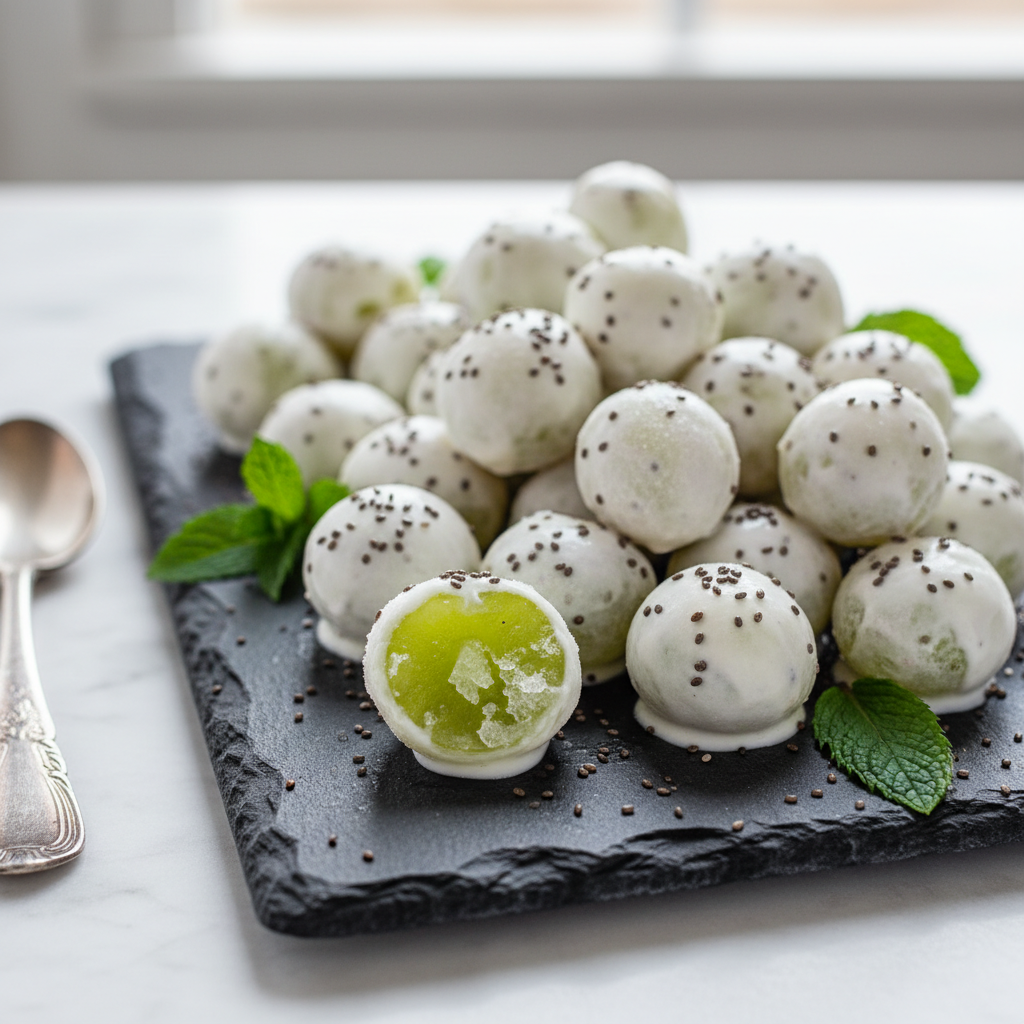
If you have been scrolling through Pinterest looking for the holy grail of healthy snacking, you have likely stumbled upon the concept of ‘nature’s candy.’ But let me tell you, taking fresh grapes and enrobing them in creamy, protein-rich Greek yogurt before freezing them transforms a humble fruit into a decadent, sorbet-like experience that rivals any processed sugary treat. The magic happens in the freezer: the water content inside the grape crystallizes into a texture that is remarkably similar to a high-end fruit sorbet, while the yogurt shell adds a creamy tang that balances the intense sweetness of the fruit.
This recipe isn’t just about freezing fruit; it is about creating a textural masterpiece. The snap of the frozen yogurt shell followed by the icy, slushy interior of the grape creates a sensory experience that signals ‘dessert’ to your brain without the heavy calorie load. Whether you are looking for a kid-friendly after-school snack, a post-workout cool-down bite, or a guilt-free late-night munch, these yogurt-covered frozen grapes are the answer. They are customizable, meal-prep friendly, and incredibly photogenic. We are going to elevate the basic concept with tips on how to get the coating to stick perfectly, flavor variations to keep things exciting, and methods to ensure they don’t freeze into one giant clump. Get ready to turn your freezer into a healthy snack haven.
History & Origins
While the specific invention of the ‘yogurt-covered frozen grape’ is a product of the modern internet age—likely gaining traction in the early 2010s alongside the rise of Pinterest and the ‘clean eating’ movement—the components have a storied past. Grapes (Vitis vinifera) have been cultivated for over 6,000 years, originating in the Near East. They were revered by ancient Egyptians, Greeks, and Romans not just for wine, but as a vital source of energy and hydration. Historically, grapes were dried into raisins for preservation, but the concept of freezing them for texture is a relatively modern culinary innovation made possible by home refrigeration.
Yogurt, on the other hand, traces its roots back to the Neolithic period, around 5000 BC, likely discovered by accident when milk stored in goat-skin bags fermented in the warm sun. It became a staple in Middle Eastern, Indian, and Mediterranean diets long before it hit American grocery store shelves. The marriage of fruit and yogurt is a classic pairing found in cuisines globally, from Indian lassis to Greek breakfasts with honey.
The frozen yogurt grape is essentially a deconstructed, bite-sized evolution of the frozen yogurt craze that swept the United States in the 1980s and renewed in the 2000s. As consumers became more health-conscious and sought to reduce added refined sugars, home cooks began experimenting with whole foods. The frozen grape trend emerged as a ‘life hack’ for wine lovers (using them as ice cubes) and dieters alike. Combining the ancient history of cultured dairy with the timeless appeal of fresh fruit results in a snack that feels modern yet is rooted in ingredients that have sustained humanity for millennia.
Why This Recipe Works
This recipe works because of the science of freezing fruit sugars and the interplay of textures. Grapes have a high water content and a significant amount of natural fructose. When you freeze a grape, unlike a strawberry or a melon which might freeze into a rock-hard block of ice, the sugar concentration in the grape keeps the ice crystals relatively small. This results in a texture that is firm but scoopable, similar to a sorbet, rather than an ice cube.
The Greek yogurt coating provides two essential functions: flavor balance and textural contrast. Grapes are very sweet; the acidity and tang of plain or lightly sweetened Greek yogurt cut through that sugar, providing a more complex flavor profile than fruit alone. Furthermore, the fat and protein content in the yogurt (especially if you use 2% or whole milk yogurt) affects how the coating freezes. It becomes solid but retains a creamy melt-in-your-mouth quality that coats the tongue, mimicking the satisfaction of ice cream. By using toothpicks and a specific dipping technique, we ensure an even coating that doesn’t slide off, solving the most common frustration with this recipe.
Why You’ll Love This Recipe
- ✓Only 3 main ingredients required
- ✓High in protein and natural fiber
- ✓tastes like bite-sized frozen yogurt popsicles
- ✓Perfect for meal prep and keeps for weeks
- ✓Kid-friendly and fun to make
- ✓Naturally gluten-free and vegetarian
Equipment You’ll Need
- ✓Baking sheet
- ✓Parchment paper or silicone baking mat
- ✓Toothpicks
- ✓Small mixing bowl
- ✓Colander
- ✓Paper towels
Ingredients
- ✓2 cups seedless green or red grapes (firm and crunchy)
- ✓1 cup plain Greek yogurt (vanilla or plain, 2% fat recommended)
- ✓1 tablespoon honey or maple syrup (optional, if using plain yogurt)
- ✓1/2 teaspoon pure vanilla extract
- ✓Optional toppings: Chia seeds, crushed walnuts, or mini chocolate chips
Instructions
- Thoroughly wash the grapes in a colander under cold running water. Remove them from the stems, discarding any that are mushy or bruised.
- Spread the grapes out on paper towels and pat them completely dry. This is the most critical step; if the grapes are wet, the yogurt will slide right off.
- Line a baking sheet with parchment paper or a silicone baking mat. Ensure the baking sheet fits into your freezer beforehand.
- In a small mixing bowl, whisk together the Greek yogurt, sweetener (if using), and vanilla extract until smooth and creamy.
- Insert a toothpick into the stem end of a grape. Dip the grape into the yogurt mixture, swirling to coat it completely. Allow excess yogurt to drip off slightly.
- If you are using toppings like chia seeds or crushed nuts, dip the yogurt-covered grape into a separate bowl of toppings now.
- Place the grape gently onto the prepared baking sheet. You can remove the toothpick or leave it in for a ‘popsicle’ style snack. Repeat with remaining grapes.
- Place the baking sheet in the freezer for at least 2 hours, or until the yogurt is completely hard to the touch.
- Once frozen, transfer the grapes to a freezer-safe bag or container for long-term storage.
Expert Cooking Tips
- ✓Dry the grapes thoroughly! Any water on the skin acts as a barrier and will cause the yogurt to slide off during freezing.
- ✓Use thick Greek yogurt. Regular runny yogurt will not coat the grapes thickly enough and will result in a messy puddle.
- ✓If your yogurt is too thick, thin it out with a teaspoon of milk, but be careful not to make it too watery.
- ✓For a perfectly round coating, you can hold the grape on the toothpick for 10-15 seconds after dipping to let the yogurt set slightly before placing it down.
- ✓Don’t overcrowd the pan. Make sure the grapes are not touching each other on the baking sheet so they freeze individually.
Substitutions and Variations
This recipe is incredibly versatile and welcomes substitutions based on dietary needs and pantry staples. If you are dairy-free or vegan, you can easily substitute the Greek yogurt for a thick coconut yogurt, almond milk yogurt, or soy-based alternative. Just ensure the alternative is thick (Greek-style) rather than runny. For the sweetener, maple syrup or agave nectar works perfectly in place of honey. If you are watching your sugar intake, you can use a sugar-free sweetener like stevia or monk fruit drops in the yogurt, or simply use plain yogurt and rely on the natural sweetness of the grapes. You can also swap the grapes for blueberries or raspberries, though the texture of the frozen fruit inside will vary slightly. For a protein boost, try mixing a scoop of vanilla protein powder into the yogurt before dipping.
Common Mistakes to Avoid
The most common mistake people make is skipping the drying process. If the grapes are even slightly damp from washing, the yogurt will separate from the skin once frozen, leaving you with a naked grape and a pile of frozen yogurt chips. Another mistake is using non-fat, watery yogurt. Fat-free yogurt often has a higher water content which leads to icy, rather than creamy, results. Stick to 2% or 5% fat Greek yogurt for the best mouthfeel. Finally, do not try to rush the freezing process. If you take them out too early, the yogurt will be tacky and messy. Give them the full two hours to set properly.
Serving Suggestions
These frozen grapes are best served straight from the freezer. If you let them sit out for too long, the yogurt will begin to melt and become messy. Serve them in a chilled bowl as a refreshing snack on a hot afternoon. They also make a fantastic garnish for smoothies or acai bowls, adding texture and a pop of flavor. For a more elegant presentation, serve them on a platter with the toothpicks still inserted as a finger food dessert at a summer barbecue. You can also slice them in half once frozen and stir them into a bowl of oatmeal for a cooling contrast to hot porridge.
Storage and Reheating Tips
Storage is straightforward but important for maintaining quality. Once the grapes are fully frozen on the baking sheet (after about 2 hours), transfer them immediately to an airtight freezer bag or a sealed container. If you leave them on the baking sheet uncovered for too long, they can develop freezer burn and absorb odors from the freezer. They will stay fresh for up to 2 months. Do not reheat or thaw these before eating; they are designed to be consumed frozen. If they thaw, the grapes will become mushy and the yogurt will liquefy.
Nutrition Facts (Estimated)
| Serving Size | 1 cup (approx 15 grapes) |
| Calories | 120 |
| Fat | 1.5g |
| Saturated Fat | 0.5g |
| Unsaturated Fat | 0g |
| Trans Fat | 0g |
| Cholesterol | 5mg |
| Sodium | 20mg |
| Carbohydrates | 22g |
| Fiber | 2g |
| Sugar | 18g |
| Protein | 6g |
Frequently Asked Questions
Can I use regular yogurt instead of Greek yogurt?
It is not recommended. Regular yogurt has a much higher water content and is runnier. It won’t cling to the grape skin well and will freeze into an icy, hard shell rather than a creamy coating. If you only have regular yogurt, try straining it through a cheesecloth for a few hours to thicken it.
Do green or red grapes work better?
Both work beautifully, but they offer different flavor profiles. Green grapes tend to be more tart, which contrasts nicely with sweetened vanilla yogurt. Red grapes are generally sweeter and offer a more floral flavor. Choose whichever you prefer or mix them for variety.
How do I prevent the yogurt from pooling at the bottom?
Pooling happens if the yogurt is too runny or if you place the grape down too quickly. Let the excess drip off while holding the toothpick, and use a thick Greek yogurt. A little flat spot on the bottom is normal and unavoidable, but it shouldn’t be a large puddle.
Are these safe for toddlers?
Grapes are a choking hazard for young children, and freezing them makes them harder. For toddlers, it is safer to cut the grapes in half or quarters *before* dipping and freezing, or wait until the child is older to serve whole frozen grapes. Always supervise eating.
Can I add protein powder to the yogurt?
Yes! This is a great way to boost the nutrition. Mix a small scoop of vanilla or unflavored protein powder into the yogurt. You might need to add a tiny splash of milk if the powder makes the yogurt too thick to dip.
Why did my yogurt coating crack?
Cracking usually happens if the temperature change is too drastic or if the layer of yogurt is too thin. Ensure a generous coating. However, small cracks don’t affect the taste!
Can I dip these in chocolate?
Absolutely. You can do a double dip—freeze the yogurt layer first, then quickly dip in melted dark chocolate. Or, you can simply drizzle melted chocolate over the yogurt-coated grapes before the initial freeze.
How long do they last in the freezer?
They are best consumed within 1 month for optimal flavor and texture but remain safe to eat for up to 2-3 months if stored in a proper airtight container.
Conclusion
Yogurt Covered Frozen Grapes are truly the unsung heroes of healthy snacking. They bridge the gap between the desire for a sweet, creamy treat and the need for nutritious, whole-food fuel. With just a few minutes of prep time, you can stock your freezer with a grab-and-go option that satisfies both kids and adults alike. Whether you stick to the classic vanilla coating or experiment with crushed nuts and chia seeds, this recipe is sure to become a staple in your household. Give them a try this week, and you might just find yourself skipping the ice cream aisle altogether.